

TL;DR:
- Recovery in basketball involves a comprehensive process of restoring physical and mental functions to maintain peak performance and prevent injuries. Elite programs prioritize systematic recovery practices, including sleep, nutrition, hydration, and mental resets, which are essential within the 48 to 72-hour recovery window after games. Implementing structured protocols and integrating recovery into training schedules provide a significant performance advantage over relying solely on supplemental tools or individual discipline.
Recovery in basketball is the multi-dimensional process of restoring physical and mental function after training and competition to sustain peak performance and reduce injury risk. Most players treat it as optional. Elite programs treat it as non-negotiable. The difference shows up in late-game execution, injury rates, and season-long consistency. Fatigue peaks within 24 hours post-game and physiological impairments can persist up to 72 hours. That window is where games are won or lost before they are even played. Sleep, nutrition, hydration, and mental reset are the four pillars that determine how fast a player bounces back. Cold-water immersion and compression garments help, but they are secondary tools. Get the fundamentals right first.
What is the role of recovery in basketball performance?
Basketball places extreme demands on the body. A single game combines repeated sprints, jumps, changes of direction, and sustained cognitive load across 40 or 48 minutes of play. The result is a compound fatigue state that affects neuromuscular output, metabolic reserves, and decision-making speed simultaneously.
Post-game, players experience measurable declines in jump height, sprint speed, and reactive strength. Muscle damage triggers an inflammatory response that, if unmanaged, compounds across a congested schedule. Recovery windows for muscle repair extend 48 to 72 hours beyond the final whistle, making back-to-back games biologically difficult. A 44-hour window between consecutive games is not enough time for complete systemic restoration. That is the biological reality coaches and trainers must plan around.
The table below summarizes the primary fatigue types, their physiological effects, and the recovery timeframes associated with each.
| Fatigue type | Effect on performance | Recovery timeframe |
|---|---|---|
| Neuromuscular | Reduced jump height, sprint speed, reaction time | 24–48 hours |
| Metabolic | Depleted glycogen, impaired energy output | 12–24 hours with proper nutrition |
| Cardiovascular | Elevated resting heart rate, reduced aerobic capacity | 24–48 hours |
| Mental/cognitive | Slower decision-making, reduced focus | 12–24 hours with mental recovery |
| Inflammatory/structural | Muscle soreness, micro-tear repair | 48–72 hours |
Understanding these timelines changes how you schedule practice intensity. A high-load game on Friday followed by a full-contact practice Saturday is not preparation. It is accumulated damage.
Which basketball recovery techniques are most effective?
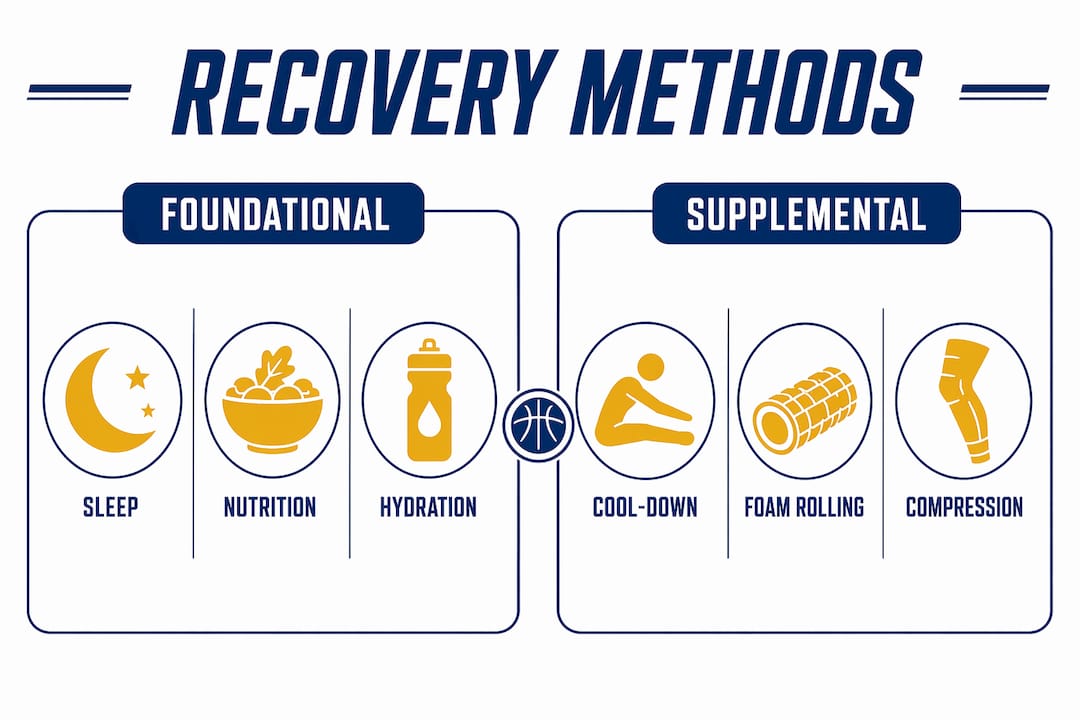
Not all recovery methods carry equal weight. The most effective basketball recovery techniques fall into two tiers: foundational practices that drive the majority of restoration, and supplemental tools that provide marginal gains on top of a solid base.
Foundational recovery practices
Sleep quality and quantity are the single most important recovery input, affecting preparedness and injury risk more than any other variable. Players need 7 to 10 hours per night, with consistent sleep and wake times. Disrupted sleep schedules during road trips are one of the most underaddressed performance problems in basketball.
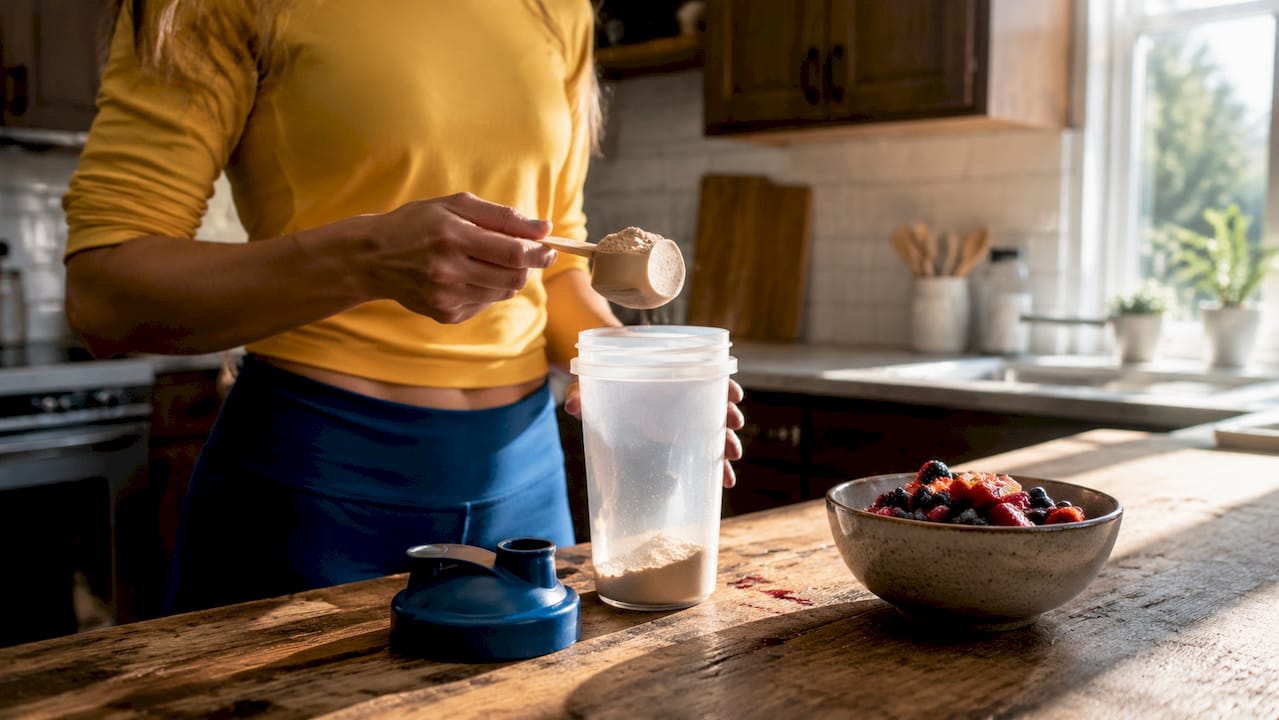
Nutrition timing matters as much as nutrition quality. Leucine-rich protein consumed every 3 to 4 hours and shortly after training drives muscle protein synthesis. Specifically, high-quality whey protein within 45 minutes post-exercise triggers the most effective anabolic response during heavy schedule weeks. Pair that with fast-digesting carbohydrates to replenish glycogen stores.
Hydration is the most overlooked foundational input. Players lose significant fluid volume through sweat during games. Rehydrating to at least 150% of fluid losses within the first two hours post-game restores plasma volume and accelerates all downstream recovery processes.
Supplemental recovery tools
- Cold-water immersion: Ice baths at 50°F to 59°F for 10 to 15 minutes within 30 minutes post-game reduce inflammation and soreness. This is the most research-supported supplemental tool for basketball players.
- Active recovery sessions: Low-intensity movement increases blood flow and reduces lactic acid buildup, maintaining muscle flexibility without adding training stress. A 20-minute bike ride or pool session the morning after a game fits this purpose well.
- Compression garments: Worn during travel or sleep post-game, they reduce perceived soreness and support venous return. The effect is modest but consistent.
- Foam rolling: Addresses localized stiffness and improves range of motion. Most effective as part of a structured cool-down rather than as a standalone recovery session.
Pro Tip: Do not skip the cool-down to catch the team bus faster. Ten minutes of light movement and foam rolling post-game reduces next-day soreness more than any supplement you can buy.
The comparison below shows how foundational and supplemental tools stack up on key recovery outcomes.
| Recovery method | Primary benefit | Time required | Evidence strength |
|---|---|---|---|
| Sleep (7–10 hours) | Full systemic restoration | 7–10 hours | Very strong |
| Protein + carb intake | Muscle synthesis, glycogen replenishment | 30–60 min post-game | Very strong |
| Cold-water immersion | Inflammation reduction, soreness | 10–15 min | Strong |
| Active recovery | Blood flow, flexibility | 20–30 min | Moderate to strong |
| Compression garments | Soreness reduction, venous return | Passive (worn) | Moderate |
| Foam rolling | Localized stiffness relief | 10–15 min | Moderate |
Mental recovery in basketball
Mental fatigue reduces basketball performance by 16%, making cognitive recovery as important as physical restoration. Box breathing, progressive muscle relaxation, and mental rehearsal are the three techniques with the strongest evidence base for post-game use. These methods activate the parasympathetic nervous system, which accelerates the body’s shift out of the stress response triggered by competition. Physical and mental recovery are interconnected. Mental cool-down routines do not just reset the mind. They accelerate physical repair processes at the same time.
How should recovery be customized by position and playing time?
Recovery is not one-size-fits-all. A point guard logging 36 minutes per game and a backup center playing 12 minutes face entirely different physiological demands. Treating them with identical recovery protocols wastes resources and misses real needs.
Players logging over 26 minutes show significantly higher PlayerLoad and perceived exertion scores, indicating a clear need for individualized recovery plans based on actual minutes played. High-minute players need more aggressive nutritional replenishment, longer sleep windows, and more conservative practice loads the day after games. Low-minute players may benefit more from maintaining physical readiness through structured activity than from passive rest.
Positional differences matter too. Guards cover more total distance and perform more high-speed sprints, creating greater cardiovascular and metabolic fatigue. Centers and power forwards accumulate more contact-based muscle damage and neuromuscular fatigue from physical play in the paint. Recovery programming should reflect these distinctions rather than applying a single team-wide protocol.
Periodization provides the structural framework for managing these differences across a full season. Consider these principles when building recovery into your training cycle:
- Microcycle planning: Schedule practice intensity based on game proximity. High-intensity work belongs 3 to 4 days before a game, not the day after one.
- Mesocycle structure: Build planned recovery weeks into the calendar every 3 to 4 weeks during the season to prevent cumulative fatigue from compounding.
- Load monitoring: Use session RPE (rating of perceived exertion) or wearable data from devices like Catapult or Polar to track individual loads and flag players approaching overreach thresholds.
- Congested schedules: When games are 48 hours apart, eliminate all high-intensity training between them. Recovery becomes the practice. See Hoopmentality’s season planning tips for scheduling frameworks that account for fixture density.
Structured recovery models integrated into annual training cycles consistently outperform athlete-led independent recovery in terms of fitness and performance improvements. Leaving recovery to individual players produces inconsistent results. Coaches who build it into the program get better outcomes.
What practical steps should you take immediately after games?
Post-game recovery follows a clear sequence. Execute it consistently and the cumulative benefit across a season is substantial.
- Within 30 minutes post-game: Consume 20 to 40g of leucine-rich protein paired with fast-digesting carbohydrates. Chocolate milk, a whey shake with a banana, or a turkey sandwich all work. The goal is to start muscle protein synthesis and glycogen replenishment before the anabolic window closes.
- Within 30 minutes post-game: If cold-water immersion is available, complete a 10 to 15 minute ice bath at 50°F to 59°F. This is most effective immediately post-game, not hours later.
- During the first two hours: Rehydrate aggressively. Weigh yourself before and after games if possible. For every pound of body weight lost, drink 16 to 24 oz of fluid with electrolytes.
- Cool-down routine: Complete 10 minutes of light movement followed by foam rolling targeting the quads, hamstrings, calves, and hip flexors. Add 5 minutes of box breathing or progressive muscle relaxation to begin the mental reset.
- Sleep priority: Get to bed within 3 hours of the final whistle when possible. Avoid screens for 30 minutes before sleep. Use blackout curtains and a cool room temperature to maximize sleep quality.
- Next-day session: Schedule active recovery rather than high-intensity work. A 20 to 30 minute low-intensity bike or pool session the morning after a game supports blood flow without adding training stress. Check Hoopmentality’s warm-up structure guide for how to integrate light movement sessions into your weekly plan.
Pro Tip: Track recovery status with a simple 1 to 10 self-report scale covering sleep quality, muscle soreness, mood, and energy. Players who report two consecutive days below 5 in any category need a modified training load, not a harder practice.
Monitoring matters because fatigue is not always visible. A player who looks fine in warm-ups may be operating at 70% neuromuscular capacity. Wearable data from devices like WHOOP or Garmin can flag this before it becomes an injury.
Key takeaways
Recovery in basketball requires sleep, nutrition timing, hydration, and mental reset as non-negotiable foundations before any supplemental tool adds value.
| Point | Details |
|---|---|
| Fatigue persists up to 72 hours | Plan practice intensity around game schedules, not just the day after. |
| Sleep is the top recovery input | Prioritize 7 to 10 hours with consistent timing, especially during road trips. |
| Protein timing drives muscle repair | Consume leucine-rich protein within 30 to 45 minutes post-game every time. |
| Customize by position and minutes | High-minute players and guards need different protocols than low-minute big men. |
| Mental recovery accelerates physical repair | Box breathing and progressive muscle relaxation post-game speed up full restoration. |
Recovery is the edge most coaches are still leaving on the table
I have worked with coaches at multiple levels who spend hours designing offensive sets and defensive schemes, then send players home after a game with zero recovery structure. No nutrition guidance. No cool-down. No sleep protocol. Just “good game, see you tomorrow.” That gap is where seasons are lost.
The research is clear. Clubs with sophisticated recovery infrastructure achieve better player availability and performance consistency over long seasons than those relying on talent alone. Talent gets you to the court. Recovery keeps you there. The greatest misconception I see is coaches and players chasing marginal gains from ice baths and compression sleeves while sleeping six hours and skipping post-game meals. The supplemental tools only work when the foundation is solid.
What I advocate for is building recovery into the team culture the same way you build offensive principles. It needs to be taught, scheduled, and monitored. Players do not naturally prioritize sleep over their phones or protein over fast food. That behavior has to be coached. When you integrate recovery into your practice plans and weekly schedules, you stop relying on individual discipline and start building a system. Systems win over the long haul. Individual willpower does not.
— Dejan
Build recovery into every practice plan with Hoopmentality
Hoopmentality designs coaching resources with load management and recovery in mind. Practice plan templates include structured cool-down phases, intensity variation across the week, and drill sequencing that respects physiological recovery windows.

The Basketball Practice Plan Template gives coaches a ready-to-use framework that integrates recovery-conscious scheduling directly into daily and weekly planning. For big men working through high-contact training loads, the Big Man Dual Action Drill develops skill within a controlled load structure that supports recovery between sessions. Browse all resources at Hoopmentality to find tools built for coaches who take performance seriously.
FAQ
What is the role of recovery in basketball?
Recovery in basketball is the process of restoring physical and mental function after training and games. It directly determines how quickly players return to peak performance and how effectively they avoid injury across a full season.
How long does recovery take after a basketball game?
Fatigue peaks within 24 hours and full physiological restoration takes up to 72 hours depending on playing time and schedule density. Back-to-back games with a 44-hour gap do not allow complete recovery.
What should players eat after a basketball game?
Consume 20 to 40g of leucine-rich protein with fast-digesting carbohydrates within 30 to 45 minutes post-game. Whey protein with fruit or chocolate milk are practical options that trigger muscle protein synthesis effectively.
Does mental recovery affect physical performance?
Yes. Mental fatigue reduces performance by 16% in basketball players, and mental cool-down routines like box breathing activate the parasympathetic nervous system, which accelerates physical repair at the same time.
How do coaches build recovery into a basketball program?
Coaches should integrate recovery into practice planning through periodized microcycles, post-game nutrition protocols, sleep guidelines, and load monitoring. Structured programs built around annual training cycles consistently outperform athlete-led recovery approaches.