

Over 90 percent of american basketball coaches say that laying the right foundation early transforms their entire season. Every practice, game, and player interaction builds on this groundwork, shaping not just wins and losses but individual growth as well. If you want your team to play smarter, grow stronger, and reach their full potential, mastering the core strategies for a winning season is what sets successful american coaches apart.
Table of Contents
- 1. Set Clear Team and Individual Goals Early
- 2. Develop a Detailed Season Practice Schedule
- 3. Create Flexible Game Preparation Plans
- 4. Utilize Progress Tracking Tools and Templates
- 5. Maximize Skill Development With Varied Drills
- 6. Prioritize Effective Communication With Players
- 7. Reflect and Adjust Strategies Throughout the Season
Quick Summary
| Key Insight | Clear Explanation |
|---|---|
| 1. Set clear team goals | Establishing specific goals early boosts motivation and drives performance. |
| 2. Develop a structured practice schedule | A detailed practice plan ensures balanced skill development and guides training effectively. |
| 3. Foster adaptive game strategies | Flexible plans allow teams to adapt to game situations and optimize player strengths. |
| 4. Track progress meticulously | Utilizing progress tracking tools encourages player accountability and targeted growth. |
| 5. Prioritize open communication | Effective communication builds trust and enhances collaboration among team members. |
1. Set Clear Team and Individual Goals Early
Successful basketball seasons start with well-defined goals that align both team and player objectives. By establishing clear performance targets at the beginning of the season, coaches create a roadmap for growth and motivation that drives players toward peak performance.
According to the Rutgers Youth Sports Research Council, setting performance goals athletes can control is significantly more effective than focusing solely on outcome goals. This approach shifts the focus to actionable steps players can take to improve, promoting a sense of personal agency and commitment.
Why Goal Setting Matters
Effective goal setting transforms abstract aspirations into concrete strategies. When athletes understand exactly what they need to achieve and how to get there, their motivation and engagement increase dramatically. The key is creating goals that are:
- Specific and measurable
- Challenging but achievable
- Aligned with individual player strengths
- Tied to both personal and team development
By involving players in the goal setting process, you tap into their intrinsic motivation. Players who help define their own objectives are more likely to feel personally invested in achieving them. This collaborative approach builds trust and creates a shared vision for the season.
As the Association for Applied Sport Psychology emphasizes, athlete involvement in goal setting ensures deeper internalization and commitment to team objectives.
For a deeper exploration of practice goals and planning strategies, check out our 7 Key Steps for a Winning Practice Planning Checklist guide.
2. Develop a Detailed Season Practice Schedule
A comprehensive and strategic practice schedule is the foundation of a successful basketball season. Thoughtful planning transforms random practice sessions into purposeful training opportunities that progressively build team skills and individual player capabilities.
According to the McKinnon Basketball Association, structured practice plans are crucial and should incorporate fast-paced activities lasting 7-9 minutes to maintain high energy and player engagement.
Why a Detailed Practice Schedule Matters
A well-constructed practice schedule serves multiple critical functions. It provides clear direction, ensures balanced skill development, and helps players understand expectations. The schedule becomes a roadmap that guides your team from preseason preparation to peak performance during competitive matches.
Key Elements of an Effective Practice Schedule
- Allocate specific time for skill development
- Include individual and team strategy sessions
- Balance physical conditioning with technical training
- Create progression in difficulty and complexity
- Plan recovery and rest periods
Special Olympics emphasizes the importance of specific timelines and structured goals to enhance athlete development. This means your practice schedule should not just be a list of activities but a strategic blueprint for improvement.
For coaches looking to refine their approach, our What A Basketball Practice Plan Template Must Include guide offers comprehensive insights into creating impactful practice structures.
3. Create Flexible Game Preparation Plans
Successful basketball coaching requires more than rigid strategies. Creating flexible game preparation plans allows teams to adapt quickly, respond to unexpected challenges, and maximize their potential during competitive matches.
Southern Utah University’s research highlights the critical importance of adaptability in coaching, emphasizing that treating team members as individuals and developing their unique skills leads to more effective game plans.
Why Flexibility Matters in Game Preparation
Traditional coaching approaches often rely on fixed strategies that fail when confronted with dynamic game situations. A flexible game preparation plan enables coaches to:
- Quickly adjust tactics based on opponent strengths
- Leverage individual player capabilities
- Respond to unexpected game developments
- Maintain team confidence during challenging moments
Key Strategies for Flexible Planning
According to SportsMinds, fostering continuous learning and adaptability among team members is crucial for achieving success both on and off the court. This means developing multiple strategic approaches and preparing players to think critically during gameplay.
To support your flexible game preparation strategy, check out our comprehensive Basketball Pregame Preparation Guide for detailed insights into maximizing team readiness and strategic adaptability.
4. Utilize Progress Tracking Tools and Templates
Tracking player and team progress is more than just recording numbers. Strategic progress tracking provides coaches with deep insights into individual and collective performance, enabling targeted skill development and motivation.
According to the Association for Applied Sport Psychology, involving athletes in monitoring their own development significantly enhances motivation and personal accountability.
Why Progress Tracking Matters
Comprehensive tracking goes beyond simple scorekeeping. Effective tools help coaches:
- Identify individual player strengths and weaknesses
- Monitor skill progression over time
- Create personalized development strategies
- Provide data driven feedback
- Motivate players through visible improvement
The Rutgers Youth Sports Research Council recommends that athletes maintain training logs to track success indicators and reflect on their performance. This practice transforms raw data into meaningful insights for coaches and players alike.
To support your tracking efforts, explore our Understanding the Role of Scouting Templates resource for comprehensive guidance on creating effective performance documentation.
5. Maximize Skill Development With Varied Drills
Skill development is the cornerstone of basketball excellence. By incorporating a diverse range of drills, coaches can transform practice sessions from monotonous routines into dynamic learning experiences that challenge and engage players.
The McKinnon Basketball Association emphasizes the critical importance of incorporating varied drills into practice sessions, recommending fast-paced activities that maintain high player engagement and energy.
Why Drill Variety Matters
Consistent skill development requires more than repetitive practice. Varied drills help players:
- Develop muscle memory across different scenarios
- Improve adaptability and quick thinking
- Prevent training fatigue and boredom
- Target specific skill gaps
- Build confidence through comprehensive training
Special Olympics reinforces this approach by emphasizing structured training plans that include diverse drills to systematically enhance athlete performance.
For coaches seeking to expand their drill repertoire, our Why Use Basketball Drills guide provides comprehensive insights into creating dynamic and effective training experiences.
6. Prioritize Effective Communication With Players
Communication is the foundation of successful basketball coaching. When coaches create open and supportive dialogue channels, they transform team dynamics from mere instruction to meaningful collaboration.
Southern Utah University’s research underscores the importance of treating team members as individuals, highlighting that understanding each player’s unique skills and perspectives is crucial for effective communication.
Why Communication Strategies Matter
Effective communication goes beyond giving instructions. It involves:
- Building trust and mutual respect
- Creating a supportive team environment
- Understanding individual player motivations
- Providing constructive and personalized feedback
- Encouraging player input and leadership
SportsMinds emphasizes that fostering a positive team culture through open communication leads to a more cohesive and motivated team. Understanding and addressing individual needs transforms coaching from a directive role to a collaborative partnership.
To deepen your communication skills, explore our comprehensive Coaching and Communication Guide for advanced strategies in building strong player relationships.
7. Reflect and Adjust Strategies Throughout the Season
Successful basketball coaching is not about creating a perfect plan but about remaining adaptable and responsive to your team’s evolving dynamics. Continuous reflection and strategic adjustment are critical for maintaining team momentum and individual player growth.
The Association for Applied Sport Psychology emphasizes the importance of regularly monitoring progress and setting measurable goals that can be dynamically adjusted based on performance data.
Why Strategic Reflection Matters
Reflection is more than a passive review. It is an active process of understanding team performance and making informed decisions. Coaches who consistently reflect can:
- Identify emerging team strengths
- Address performance gaps quickly
- Boost player confidence through targeted improvements
- Maintain team motivation during challenging periods
- Create a culture of continuous learning
SportsMinds advocates for fostering adaptability, suggesting that coaches who adjust strategies based on evolving circumstances achieve greater success both on and off the court.
To support your ongoing development, explore our 7 Key Player Development Tips for Coaches guide for additional insights into maintaining a dynamic coaching approach.
Below is a comprehensive table summarizing the key strategies for a successful basketball season discussed throughout the article.
| Strategy | Implementation | Expected Results |
|---|---|---|
| Set Clear Goals | Define specific, measurable goals involving players. Align team and individual objectives. | Increased motivation and player investment. |
| Develop Practice Schedules | Create structured practice plans including skill development, strategy sessions, and rest periods. | Enhanced skill development and readiness. |
| Flexible Game Prep | Adapt plans based on opponents and player strengths. Encourage critical thinking. | Improved adaptability and game performance. |
| Progress Tracking | Use tools and logs to monitor player development and provide feedback. | Enhanced motivation and personalized growth strategies. |
| Varied Drills | Incorporate diverse, fast-paced drills to maintain engagement and address skill gaps. | Comprehensive skill development and increased confidence. |
| Effective Communication | Foster open dialogue, mutual respect, and understand individual motivations. | A cohesive team environment and improved player morale. |
| Reflect & Adjust | Continuously evaluate team performance and adapt strategies as needed. | Sustained team momentum and continuous improvement. |
Boost Your Basketball Season Planning with Proven Coaching Resources
Coaches face the challenge of organizing clear goals, structured practices, and adaptable game plans while keeping their teams motivated and engaged. This article highlights the need for specific and measurable objectives, detailed practice schedules, and flexible strategies to keep your team competitive throughout the season. If you want to overcome the common frustrations of chaotic planning and inconsistent player development, you need tools that simplify these complex tasks.
Discover how our Basketball Templates can help you set clear goals and track progress efficiently. Combine these with dynamic Basketball Drills designed to maximize skill development and maintain player energy.
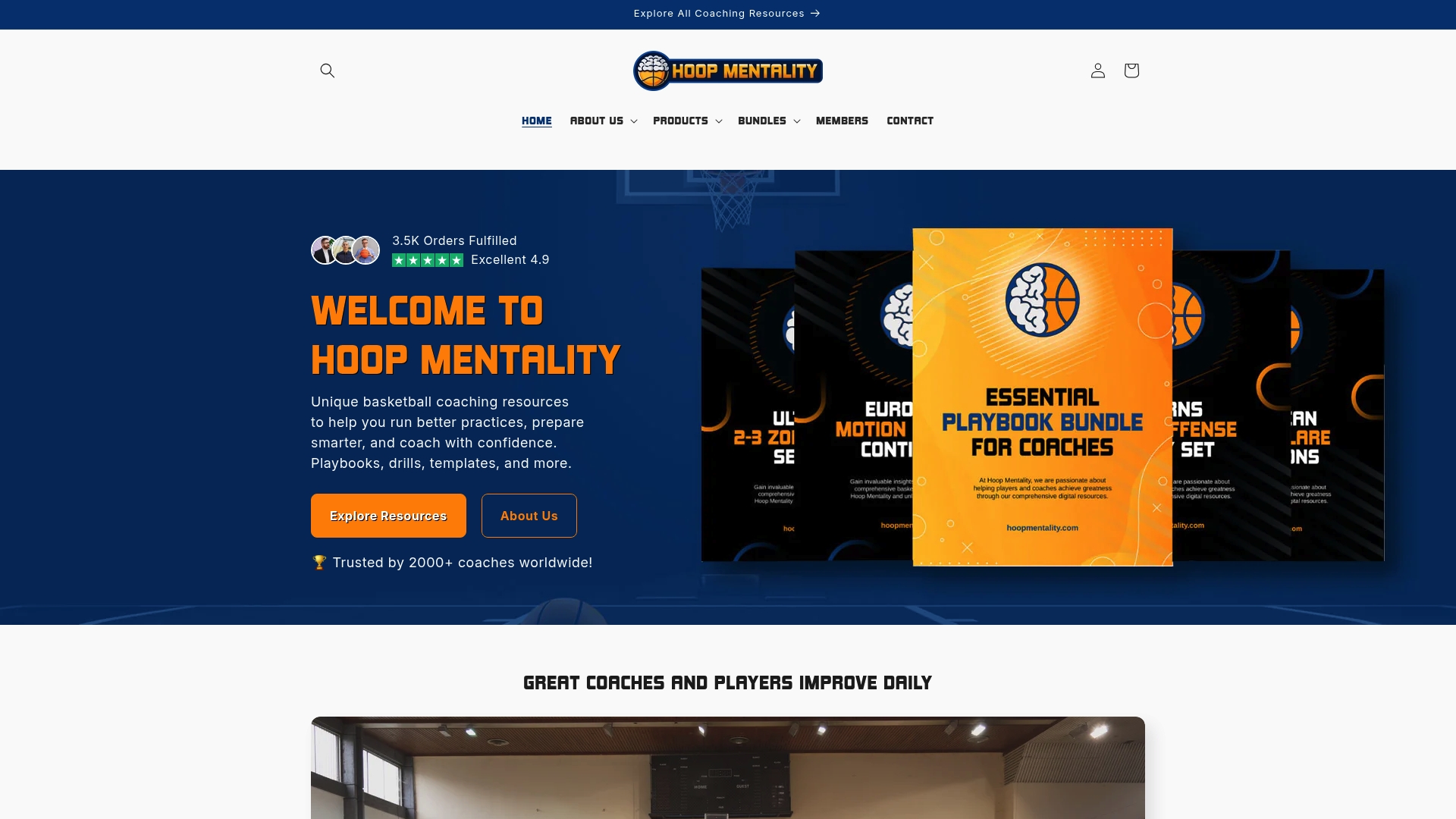
Take control of your season now with practical, easy-to-use resources from Hoop Mentality. Start planning smarter, prepare your team with confidence, and turn your coaching vision into championship results.
Frequently Asked Questions
How can I set effective goals for my basketball team at the start of the season?
Setting effective goals involves creating clear, specific, and measurable objectives for both individual players and the team. To do this, involve your players in the goal-setting process, ensuring that the goals align with their strengths and the overall team development.
Recommended
- 7 Essentials for an Effective Basketball Coaching Checklist – Hoop Mentality
- What A Basketball Practice Plan Template Must Include In 2026 – Hoop Mentality
- What A Basketball Practice Plan Template Must Include In 2026 – Hoop Mentality
- 7 Key Steps for a Winning Practice Planning Checklist – Hoop Mentality