

Over 80 percent of basketball coaches say their core philosophy shapes every drill, strategy, and sideline decision. Building a strong team is about more than talent—it starts with a clear vision and smart planning. When you focus on coaching principles, effective practice routines, and solid communication, you unlock better teamwork and lasting results. This article outlines actionable methods used by experienced coaches to help every player and team succeed at a higher level.
Table of Contents
- 1. Define Team Goals And Coaching Philosophy
- 2. Develop A Structured Practice Plan
- 3. Select Progressive Drills For Skill Growth
- 4. Implement Clear Communication Strategies
- 5. Create Game Preparation And Scouting Guidelines
- 6. Monitor Player Development And Performance
- 7. Review And Adjust Coaching Tactics Regularly
Quick Summary
| Takeaway | Explanation |
|---|---|
| 1. Define a clear coaching philosophy | Establishing core beliefs guides team development and performance strategies. |
| 2. Create structured practice plans | Well-organized sessions enhance skill growth and maintain player engagement. |
| 3. Use progressive drills for training | Start with basics and increase complexity to build player confidence and skills. |
| 4. Implement effective communication strategies | Clear messaging helps ensure all players understand tactics and their roles. |
| 5. Regularly review and adjust tactics | Continuous evaluation allows coaches to adapt strategies based on team needs. |
1. Define Team Goals and Coaching Philosophy
A coaching philosophy serves as the strategic blueprint that transforms a group of individual players into a cohesive basketball unit. This foundational element guides every decision a coach makes and establishes the core principles that will drive team performance.
According to the FIBA Coaching Manual, a coaching philosophy should remain consistent across different player groups while allowing flexibility in specific team goals. Your philosophy represents your core beliefs about player development, team dynamics, and competitive strategy.
Creating an effective coaching philosophy involves deep self reflection. Ask yourself critical questions: What values do you want to instill in your players? How will you balance skill development with team performance? What does success look like beyond winning games?
A strong coaching philosophy typically includes several key components:
- Player Growth: Prioritizing individual athlete development
- Team Culture: Establishing expectations for teamwork and mutual respect
- Performance Standards: Setting clear benchmarks for skill and effort
- Learning Environment: Creating spaces where players can take risks and learn from mistakes
To develop your philosophy, start by writing down your core beliefs. Discuss these principles with assistant coaches and team leadership. Your philosophy should be clear, actionable, and adaptable to different team compositions and competitive challenges.
Remember that an effective coaching philosophy is not a static document but a living framework that evolves with your team’s growth and your own coaching experience.
2. Develop a Structured Practice Plan
A structured practice plan is the backbone of successful basketball training transforming random drills into purposeful skill development sessions. Your practice plan serves as a strategic roadmap that maximizes player engagement and team performance.
According to FIBA Coaching Resources, an effective practice plan should balance activities that develop individual skills and team strategies while creating game like scenarios.
Designing a comprehensive practice plan requires thoughtful organization and clear objectives. Break your practice into distinct segments that progressively build player skills and team cohesion. A typical high performing practice structure might include:
- Warm Up (15 minutes): Dynamic stretching and light cardiovascular activities
- Skill Development (30 minutes): Focused technical drills targeting specific basketball fundamentals
- Team Tactics (25 minutes): Implementing offensive and defensive strategies
- Scrimmage and Competition (20 minutes): Applying learned skills in competitive scenarios
The key is creating intentional transitions between practice segments. Each segment should flow naturally into the next while maintaining high energy and player engagement. Rotate drills frequently to prevent monotony and keep players mentally stimulated.
Remember that flexibility matters. While having a structured plan is crucial, great coaches also know when to adapt based on team performance and immediate learning needs. Your practice plan should be a living document that evolves with your team’s progress.
3. Select Progressive Drills for Skill Growth
Progressive basketball drills are the strategic building blocks that transform individual players into a cohesive team. These carefully sequenced exercises develop fundamental skills while challenging players to continuously improve their athletic capabilities.
According to FIBA Coaching Resources, effective practice plans must include drills that progressively develop players skills while balancing fundamental techniques and advanced strategies.
Progressive drills should target core basketball skills with increasing complexity. Start with basic skill foundations and methodically build toward more intricate game scenarios. A strategic progression might look like this:
- Basic Ball Handling: Stationary dribbling exercises
- Dynamic Dribbling: Moving dribble drills with minimal defensive pressure
- Reactive Dribbling: Drills incorporating defensive challenges
- Game Speed Scenarios: Full court dribbling with simulated game conditions
When designing progressive drills, focus on gradual skill complexity. Begin with isolated movements and technical precision before introducing speed and defensive elements. This approach helps players build muscle memory and confidence incrementally.
Remember that every player learns differently. Observe individual progress and be prepared to adjust drill difficulty to match player skill levels. A truly effective coaching strategy recognizes that skill development is not linear but a personalized journey of continuous improvement.
4. Implement Clear Communication Strategies
Effective communication is the cornerstone of successful basketball coaching transforming individual instructions into team wide understanding. Your ability to communicate clearly can mean the difference between a confused team and a synchronized athletic unit.
According to Wikipedia, coaches strategically communicate plays and team strategies using various tools like dry erase boards and digital tablets to illustrate complex game plans.
Communication in basketball coaching extends far beyond verbal instructions. It involves creating a comprehensive system of clear messaging that resonates with players at multiple levels. This means understanding how different players receive and process information.
A strategic communication approach should include multiple channels:
- Verbal Instructions: Direct clear spoken guidance
- Visual Demonstrations: Physical show of techniques and plays
- Individual Feedback: Personalized coaching moments
- Group Discussions: Team wide strategy sessions
The key is consistency and adaptability. Learn each player individual communication style. Some players respond best to direct instruction while others need more collaborative explanation. Observe how your team processes information and adjust your communication strategy accordingly.
Professional coaches understand that communication is a two way street. Encourage player feedback and create an environment where athletes feel comfortable asking questions and seeking clarification. Remember that great communication builds trust and transforms a group of individual players into a cohesive team.
5. Create Game Preparation and Scouting Guidelines
Game preparation and scouting are the strategic intelligence gathering processes that transform good teams into championship contenders. These guidelines provide the competitive edge that separates predictable teams from truly adaptive athletic units.
According to Wikipedia, successful coaches strategize by thoroughly scouting opposing teams to identify potential defeat strategies and optimize player lineup selection.
Effective scouting involves comprehensive data collection and strategic analysis. Your preparation should go beyond surface level observations and dig deep into opponent tendencies, individual player strengths and potential team vulnerabilities.
A robust scouting process should encompass multiple analytical dimensions:
- Player Performance Analysis: Individual skill assessments
- Team Tactical Evaluation: Offensive and defensive strategy patterns
- Statistical Trend Tracking: Performance metrics across recent games
- Psychological Assessment: Team dynamics and potential mental pressure points
Professional coaches understand that scouting is both an art and a science. Use video analysis tools digital tracking technologies and collaborative player discussions to build comprehensive game preparation strategies. Develop a standardized scouting template that allows consistent and objective evaluation across different opponents.
Remember that successful game preparation is not about predicting every possible scenario but creating adaptable strategies that allow your team to respond effectively to dynamic game conditions.
6. Monitor Player Development and Performance
Player development is the strategic heartbeat of successful basketball coaching transforming raw athletic potential into refined competitive skill. Effective monitoring goes beyond simple statistical tracking to understanding each player individual growth trajectory.
Research from ArXiv highlights sophisticated approaches for tracking player performance using advanced data recognition techniques that provide deeper insights into individual and team capabilities.
Comprehensive player monitoring requires a multidimensional assessment approach. Your evaluation should encompass physical skills technical proficiency psychological readiness and overall team contribution.
A holistic player development tracking system should include:
- Physical Metrics: Strength speed agility endurance measurements
- Technical Skills: Shooting passing dribbling defensive capabilities
- Psychological Assessment: Mental resilience team communication leadership potential
- Game Performance: Actual match statistics and situational effectiveness
Successful coaches create individualized development roadmaps that recognize each player unique strengths and growth opportunities. Utilize a combination of quantitative data video analysis and personal conversations to build comprehensive player profiles.
Remember that player development is not a linear process. Celebrate incremental improvements remain patient with individual learning curves and create an environment that supports continuous growth and self improvement.
7. Review and Adjust Coaching Tactics Regularly
Successful basketball coaching is a dynamic process of continuous improvement where rigid strategies give way to adaptive thinking. The most effective coaches understand that tactical flexibility is not a weakness but a fundamental strength of exceptional leadership.
According to Wikipedia, coaches have a fundamental responsibility to continuously improve their team through strategic player development and in game management techniques.
Tactical review is about creating a systematic approach to learning and adaptation. Your coaching strategy should be a living document that evolves with your team performance player capabilities and competitive landscape.
Implement a structured review process that includes:
- Performance Analysis: Detailed game and practice evaluations
- Player Feedback Sessions: Direct conversations about team dynamics
- Competitive Landscape Assessment: Understanding emerging strategies
- Data Driven Insights: Using statistical and video analysis
Professional coaches treat their tactical approach like a scientific experiment. Develop a quarterly review framework that allows you to objectively assess what is working and what needs modification. Be willing to discard strategies that no longer serve your team competitive goals.
Remember that tactical adjustment is not about constant change but intelligent evolution. Small targeted modifications often yield more significant improvements than wholesale strategy overhauls.
Below is a comprehensive table summarizing the strategies and key concepts discussed throughout the article on developing a successful basketball coaching approach.
| Topic | Description | Key Considerations |
|---|---|---|
| Coaching Philosophy | Create a strategic blueprint that guides decisions and establishes core principles like player growth and team culture. | Should be clear, actionable, and adaptable, evolving with team growth. |
| Practice Plan | Design structured practice sessions balancing skill development and team strategies through well-defined segments. | Flexibility to adapt plans based on team performance and learning needs is crucial. |
| Progressive Drills | Use drills to incrementally develop fundamental skills from basic to complex game scenarios. | Focus on gradual skill complexity and adjust difficulty based on player progress. |
| Communication Strategies | Implement a system of verbal and visual messaging to ensure team-wide understanding. | Consistency and adaptability are key; learn each player’s communication style. |
| Game Preparation and Scouting | Gather strategic intelligence to optimize matchup tactics and player lineup. | Use comprehensive data analysis and maintain adaptable strategies for dynamic conditions. |
| Player Development | Track individual growth through a multidimensional assessment of skills and performance. | Celebrate incremental improvements and adjust to unique player learning curves. |
| Tactical Review | Regularly assess and adjust coaching strategies for continuous improvement. | Treat tactical strategy as a living document, with targeted modifications for better results. |
Elevate Your Coaching with Proven Tools for Every Essential
Building an effective basketball coaching checklist means tackling challenges like setting clear team goals, designing structured practices, and implementing communication strategies that truly connect. This article highlights the pain of juggling all these moving parts while aiming to develop players and outsmart opponents. You want a coaching philosophy that evolves, progressive drills that build skill, and scouting templates that give you an edge every game.
Hoop Mentality understands these demands and offers a comprehensive collection of resources to lighten your load. Explore our Basketball Templates - Hoop Mentality to find ready-made practice plans and scouting guidelines that save you hours of prep time. Incorporate targeted skills training with our Basketball Drills - Hoop Mentality designed to grow your players progressively and confidently.
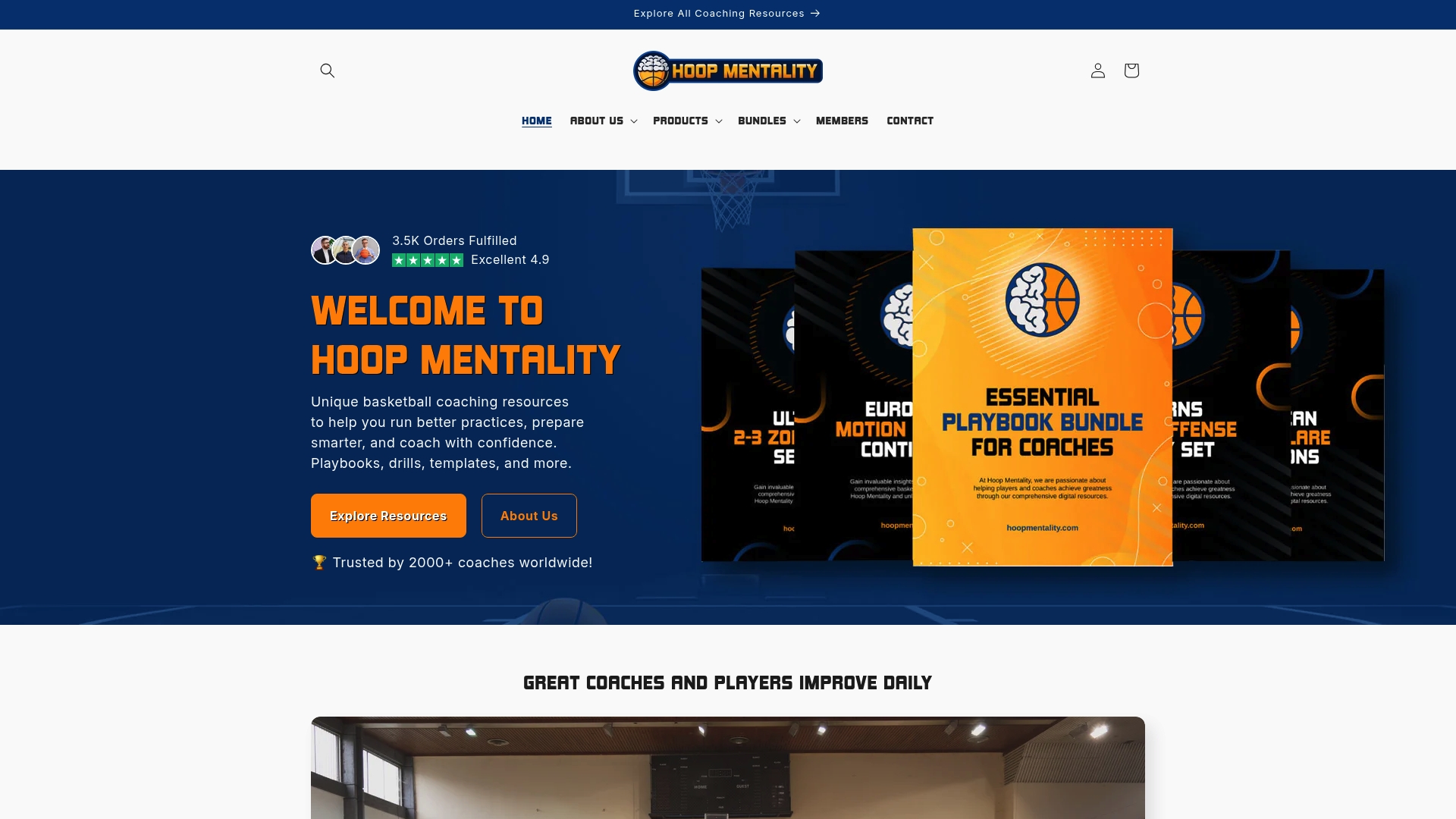
Start transforming your coaching approach today by visiting Hoop Mentality and discover how practical, expert-built tools can help you stay organized, communicate better, and focus on what truly matters winning games and developing your team with clarity and purpose. Don’t wait to bring clarity to your coaching system and unlock your team’s full potential.
Frequently Asked Questions
What are the key components of an effective basketball coaching philosophy?
A strong basketball coaching philosophy should include player growth, team culture, performance standards, and a supportive learning environment. Begin by writing down your core beliefs about these components to frame your coaching approach.
How should I structure a basketball practice plan?
A well-structured practice plan typically includes segments such as warm-up, skill development, team tactics, and scrimmage. Break your practice into distinct 15-30 minute segments and create intentional transitions between them to maintain energy and focus.
What types of progressive drills should I use for skill development?
Use progressive drills that start with basic skills like stationary dribbling and increase in complexity to include game-speed scenarios. This helps players build confidence and muscle memory, so design drills that can be adjusted every few weeks to accommodate skill growth.
How can I enhance communication with my basketball team?
Improve team communication by using verbal instructions, visual demonstrations, individual feedback, and group discussions. Assess each player’s preferred communication style and adjust your methods accordingly, aiming for consistent messaging in practices and games.
What should I focus on when preparing for a game and scouting an opponent?
Focus on gathering comprehensive data about individual player performance, team tactics, and statistical trends. Create a standardized scouting template, and review it regularly to adjust your strategies based on opponent strengths and weaknesses.
How often should I review and adjust my coaching tactics?
Regularly review and adjust your coaching tactics, ideally conducting a structured review every quarter. Analyze practice and game performance, gather player feedback, and assess competitive strategies to ensure your approach remains effective and dynamic.