

TL;DR:
- Positive coaching enhances athlete confidence and resilience through supportive, competence-based feedback and safe environments. It improves performance perception, reduces dropout, and yields high return on investment by fostering engagement, self-efficacy, and accountability. Implementing specific strategies like goal setting, active listening, and structured feedback sustains long-term development and team cohesion.
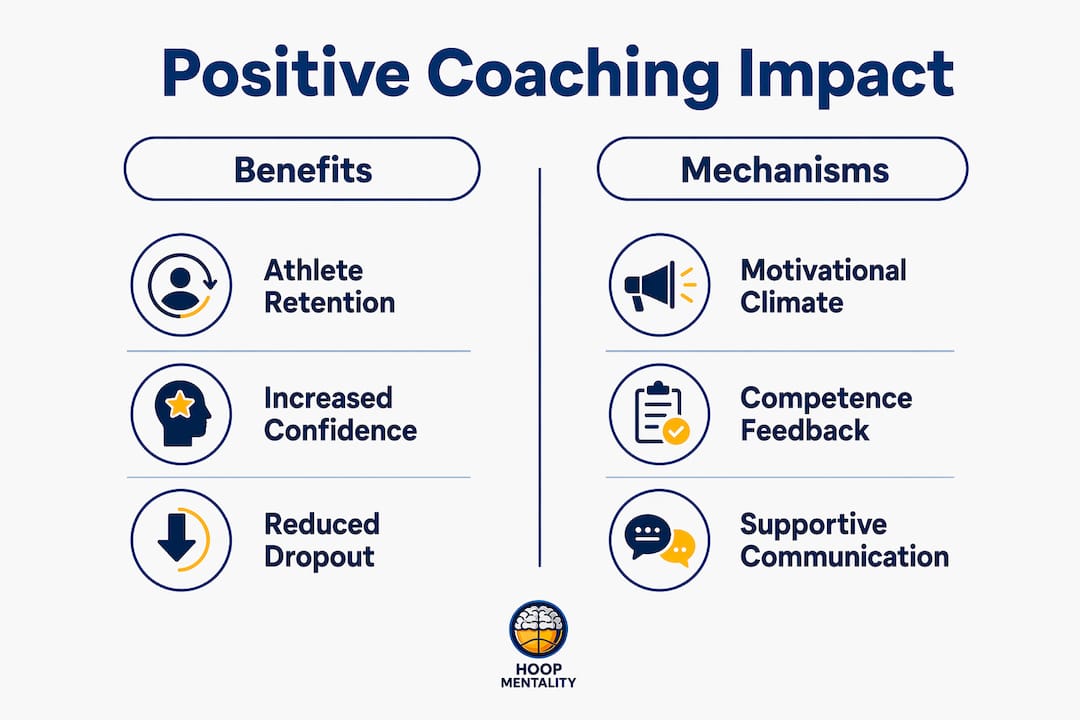
Positive coaching is defined as a coaching approach that builds athlete confidence, motivation, and resilience through supportive, competence-oriented feedback and psychologically safe environments. The importance of positive coaching shows up in measurable outcomes: a 12-week coaching intervention significantly improves swimmer perceptions of empowering behaviors while reducing controlling practices. Research on 369 athletes across multiple competitive sports confirms that psychological safety, self-efficacy, and resilience mediate the relationship between coaching style and performance perception. For coaches and sports leaders, this is not a soft philosophy. It is a proven system for developing athletes who stay in the sport, perform under pressure, and take ownership of their growth.
What does research say about positive coaching impact?
The evidence base for positive coaching is strong and growing. Supportive coaching behaviors improve athletes’ psychological safety, self-efficacy, and resilience, which directly enhance how athletes perceive their own performance. That chain matters because performance perception drives effort, persistence, and willingness to attempt difficult skills.
The swimming intervention study is particularly instructive. A structured, theory-informed program delivered over 12 weeks produced medium effect sizes in athlete-perceived changes. Medium effect sizes in behavioral research are practically significant. They translate to real shifts in how athletes respond to coaching cues, handle setbacks, and engage with training.
The financial case is equally clear. Structured coaching with 360-degree feedback produces a 5 to 7 times return on investment through improvements in team engagement, retention, and performance. That ROI figure comes from tracking organizational metrics during actual coaching engagements, not theoretical projections.
Positive coaching also addresses one of the most persistent problems in youth sports: dropout. When athletes experience non-punitive, competence-oriented feedback, they stay in the sport longer. Youth sports research frames supportive coaching as mental health infrastructure, not just a performance tool. Coaches who build psychologically safe environments give athletes a foundation for resilience that extends well beyond the court or field.
Here is a summary of the core outcomes linked to positive coaching:
- Reduced dropout rates through empowering motivational climates
- Higher self-efficacy as athletes internalize competence-based feedback
- Improved resilience when athletes face competition pressure or failure
- Greater team engagement measured through retention and participation metrics
- Stronger performance perception confirmed by self-report data across multiple sports
| Outcome | Mechanism |
|---|---|
| Reduced sport dropout | Empowering motivational climate replaces fear-based compliance |
| Improved self-efficacy | Competence-oriented feedback builds internal confidence |
| Higher resilience | Psychological safety allows athletes to recover from setbacks |
| Better team engagement | Autonomy-supportive environments increase ownership |
| Performance perception gains | Psychological mediators connect coaching style to effort |
Common misconceptions about positive coaching
The biggest misconception is that positive coaching means being nice all the time. It does not. Positive coaching means being specific, competence-focused, and consistent. Generic praise like “great job” tells an athlete nothing useful. Specific, competence-oriented feedback drives athlete ownership and accountability because it connects effort to outcome in a way the athlete can act on.
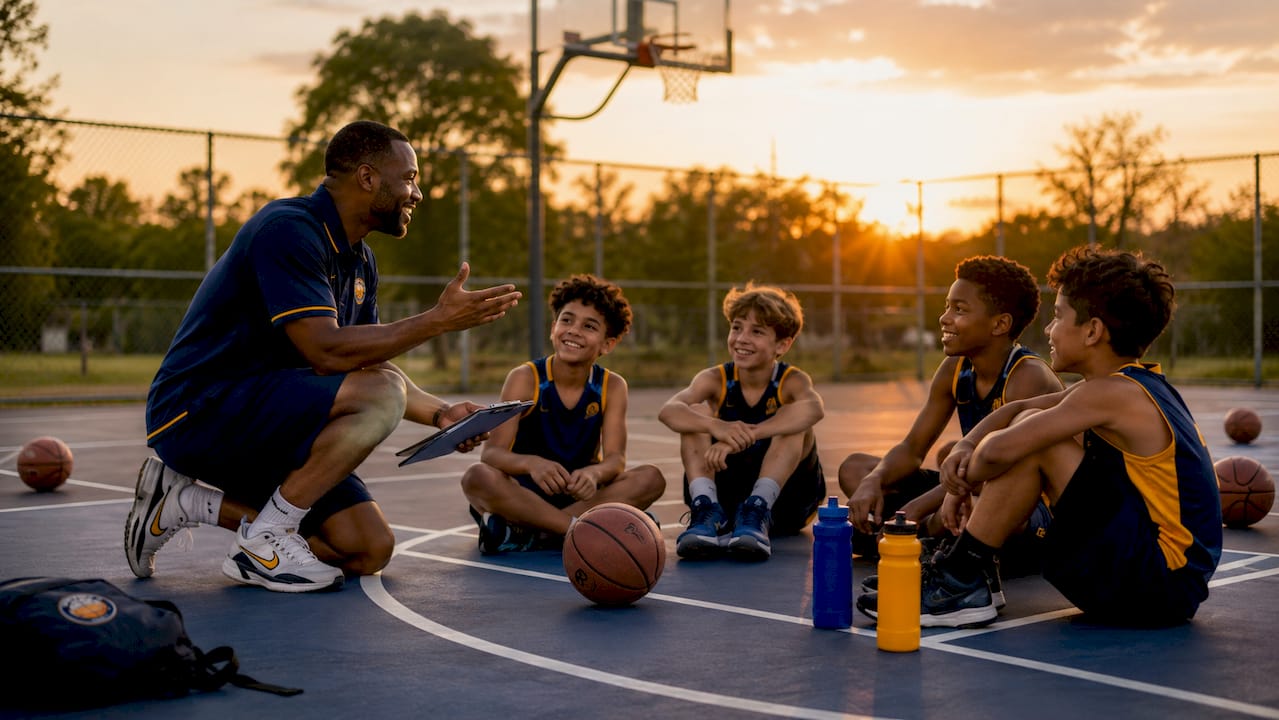
A second misconception is that positive coaching weakens a coach’s authority. The opposite is true. Autonomy-supportive environments increase athlete accountability and ownership over performance while maintaining high standards. When athletes understand why a standard exists and feel capable of meeting it, they hold themselves to it more consistently than when they comply out of fear.
Coaches also underestimate the role of boundaries and confidentiality. Failing to set clear boundaries is one of the most common coaching pitfalls. When athletes share struggles and those struggles surface in public settings, psychological safety collapses. Explicit behavioral goals, clear confidentiality norms, and measurable outcomes protect the trust that positive coaching depends on.
The shift in coach role is also misunderstood. Positive coaching does not mean the coach steps back and lets athletes figure everything out. It means the coach moves from fixer to facilitator. The GROW model (Goal, Reality, Options, Will) gives coaches a structured framework for reflective questioning that empowers athletes to solve problems themselves. That self-discovery process builds durable self-efficacy in ways that direct instruction cannot.
- Positive coaching is not generic praise. It is specific, behavioral, and tied to competence.
- Positive coaching is not soft authority. It produces higher accountability through autonomy support.
- Positive coaching is not boundary-free. Clear confidentiality norms protect psychological safety.
- Positive coaching is not hands-off. Facilitative questioning requires more skill than telling.
Pro Tip: When giving feedback after a drill, name the exact behavior you observed and connect it to the outcome. “You held your defensive stance for three full seconds, which forced the turnover” is more effective than “good defense.”
How to implement effective positive coaching strategies
Effective implementation starts with listening more than talking. The realization that coaches talk too much is a turning point for many. Empowering athletes to solve problems builds durable self-efficacy. Active listening and critical questioning are not passive skills. They require deliberate practice and a willingness to sit with silence while an athlete works through a problem.
-
Set explicit, measurable goals with athletes. Goals set collaboratively produce stronger commitment. Ask athletes what they want to achieve this week, this month, and this season. Write it down. Review it regularly.
-
Balance motivational and constructive feedback. Motivational feedback reinforces what is working. Constructive feedback addresses what needs to change. Both are necessary. Skewing too far toward either one reduces effectiveness. Use feedback strategies that connect behavior to outcome.
-
Use the GROW model for problem-solving conversations. When an athlete struggles, resist the urge to fix it immediately. Ask: “What do you want to achieve?” Then: “What is happening right now?” Then: “What options do you have?” Then: “What will you do?” This sequence builds self-sufficiency.
-
Embed coaching in the job context. Culturally adapted, job-embedded coaching produces sustained change. One-off workshops do not. Integrate positive coaching behaviors into every practice, every timeout, and every post-game conversation.
-
Build psychological safety through consistency. Athletes need to know that mistakes are learning opportunities, not punishments. Consistent, non-punitive responses to errors signal that the environment is safe for risk-taking.
Pro Tip: After each practice, identify one athlete who showed effort or improvement and deliver specific, competence-based feedback before they leave. This habit takes 60 seconds and compounds over a season.
Coaches who want to build communication skills that support these strategies will find that the verbal habits of positive coaching transfer directly into better team cohesion and clearer game-day instructions. Teaching sportsmanship through structured competition is another way to reinforce the values that positive coaching builds in practice.
How do you measure and sustain positive coaching over time?
Measuring positive coaching impact requires more than win-loss records. 360-degree feedback gives coaches a full picture of how athletes, assistant coaches, and parents perceive the coaching environment. This data reveals blind spots that self-assessment misses entirely.
Engagement metrics matter too. Track attendance rates, voluntary practice participation, and athlete-initiated communication with coaches. These numbers reflect psychological safety and motivation better than performance stats alone. Coaches who use player feedback methods consistently report earlier identification of disengagement before it becomes dropout.
Sustaining a positive coaching culture requires organizational support, not just individual effort. Peer networking among coaches, regular supervision, and access to reflection models keep positive coaching behaviors from eroding under competitive pressure. Single interventions fade. Embedded structures last.
| Measurement approach | What it reveals |
|---|---|
| 360-degree feedback | Blind spots in coach behavior and team perception |
| Attendance and participation rates | Athlete motivation and psychological safety |
| Athlete-initiated communication | Trust levels and engagement quality |
| Performance perception surveys | Self-efficacy and resilience trends over time |
Reflection models like structured post-practice reviews give coaches a repeatable process for examining their own behavior. The question is not just “Did we win?” It is “Did athletes leave practice more confident and capable than when they arrived?”
Key Takeaways
Positive coaching produces measurable gains in athlete retention, self-efficacy, and performance perception when applied consistently with specific, competence-oriented feedback.
| Point | Details |
|---|---|
| Specificity drives results | Generic praise does not build confidence. Name the exact behavior and connect it to the outcome. |
| Autonomy increases accountability | Athletes in supportive environments hold themselves to higher standards, not lower ones. |
| Boundaries protect trust | Clear confidentiality norms and measurable goals are non-negotiable for psychological safety. |
| Embed coaching in practice | One-off training sessions do not sustain culture change. Integrate positive behaviors into every session. |
| Measure beyond wins | Track attendance, participation, and athlete communication to gauge coaching effectiveness. |
Why I think most coaches underestimate this
I have watched coaches spend hours on play design and almost no time on how they deliver feedback. The plays rarely decide the season. The feedback does. When an athlete hears “you’re not working hard enough” after a tough loss, they learn to hide mistakes. When they hear “your defensive rotation was late in the third quarter, here is what to adjust,” they learn to fix problems.
The shift from fixer to facilitator is the hardest part. Most coaches were trained by coaches who told them what to do. Breaking that pattern takes deliberate effort and a real belief that athletes are capable of solving their own problems. The research backs this up. The GROW model and autonomy-supportive environments consistently outperform directive approaches in long-term athlete development.
Consistency is the other piece coaches underestimate. Positive coaching is not a technique you apply on good days. It is a standard you hold on bad days, after losses, and when an athlete makes the same mistake for the fifth time. That consistency is what builds the psychological safety athletes need to perform at their ceiling.
The coaches I respect most are not the loudest in the gym. They are the ones whose athletes come back year after year, take ownership of their development, and credit their coach for teaching them how to think, not just how to play.
— Dejan
Hoop Mentality resources for positive coaching
Applying positive coaching takes more than good intentions. It takes organized practice plans, structured feedback tools, and ready-to-use templates that save preparation time.

Hoop Mentality builds resources specifically for coaches who want to put these methods into practice without spending hours on prep. The Basketball Template Bundle For Coaches includes practice plans, scouting templates, and drill progressions designed around real coaching experience. These tools give you a structure for delivering competence-based feedback and tracking athlete development over a full season. Coaches at every level use Hoop Mentality resources to run more organized practices, communicate more clearly with players, and build the kind of consistent environment that positive coaching requires.
FAQ
What is positive coaching in sports?
Positive coaching is a method that builds athlete confidence and resilience through specific, competence-oriented feedback and psychologically safe environments. It focuses on empowering athletes to take ownership of their development rather than relying on fear-based compliance.
Does positive coaching reduce athlete dropout?
Yes. A 12-week coaching intervention in swimming showed measurable improvements in empowering behaviors and reduced controlling practices, directly linked to lower dropout risk. Non-punitive, supportive environments keep athletes engaged longer.
How does positive coaching affect team performance?
Supportive coaching behaviors improve psychological safety, self-efficacy, and resilience, which mediate stronger performance perceptions across multiple competitive sports. Structured coaching with feedback produces a 5 to 7 times ROI in team engagement and retention.
What is the GROW model in coaching?
GROW stands for Goal, Reality, Options, and Will. It is a reflective questioning framework that shifts the coach from giving answers to facilitating athlete self-discovery, building long-term self-sufficiency and accountability.
How do coaches measure positive coaching effectiveness?
360-degree feedback, attendance rates, voluntary participation, and athlete-initiated communication all measure coaching effectiveness beyond win-loss records. These metrics reveal psychological safety and motivation levels that performance stats alone cannot capture.