

You’ve just finished a tough game, and before you can even gather your team, a parent corners you demanding an explanation for their child’s playing time. Sound familiar? Many youth basketball coaches face this exact scenario regularly, struggling with inconsistent or ineffective communication that leads to conflicts and misunderstandings. The good news is that proven communication methods can transform these challenging interactions into positive relationships that benefit everyone, especially your players. This guide will walk you through practical strategies including pre-season meetings, structured updates, handling difficult conversations, and maintaining positive engagement throughout the season.
Table of Contents
- Preparing For Effective Communication: Parent Meetings And Protocols
- Executing Structured Communication: Weekly Updates And Handbooks
- Handling Challenging Conversations And Difficult Parents Constructively
- Verbal Encouragement And Building Positive Parent-Coach Relationships
- Explore Hoop Mentality Resources For Coaching Success
Key takeaways
| Point | Details |
|---|---|
| Pre-season meetings establish expectations | Set clear communication protocols and playing time criteria before conflicts arise |
| Structured updates reduce misunderstandings | Weekly emails and parent handbooks keep everyone informed and aligned |
| The 24-hour rule prevents emotional conflicts | Waiting a day before discussing concerns allows cooler heads to prevail |
| Early boundary setting protects team harmony | Address difficult parent behaviors immediately to maintain a positive environment |
| Positive relationships enhance player development | Strong coach-parent communication significantly improves athlete life skills and performance |
Preparing for effective communication: parent meetings and protocols
The foundation of successful parent communication starts before the season tips off. Pre-season parent meetings are essential for setting expectations on communication protocols, playing time criteria, and team philosophy. These meetings prevent misunderstandings and establish a professional framework that serves you throughout the entire season.
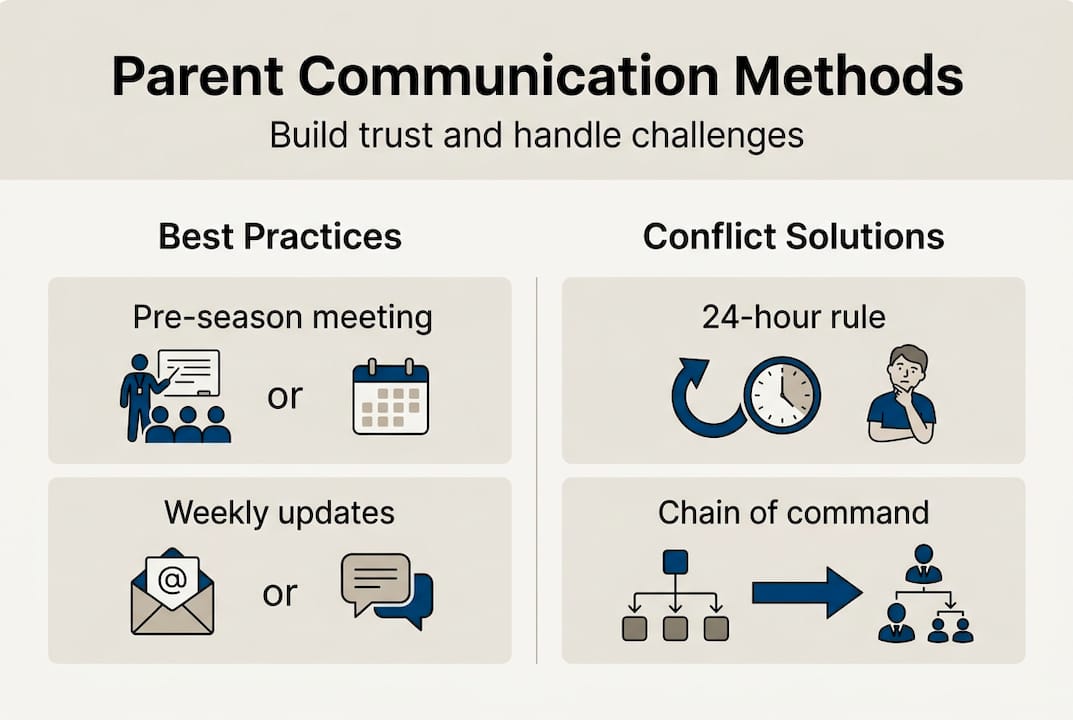
Your pre-season meeting agenda should cover several critical topics. Start with your coaching philosophy and what you value in player development. Explain your communication chain of command so parents know exactly who to contact and when. Address playing time criteria using objective measures like effort, attendance, and skill development rather than subjective feelings. Finally, outline behavioral expectations for both players and parents during practices and games.
Follow these numbered steps to conduct an effective meeting:
- Send invitations two weeks in advance with a clear agenda
- Prepare a written handout summarizing all key points and policies
- Present your philosophy and expectations in the first 20 minutes
- Allow 15 minutes for questions and clarifications
- Have parents sign a communication agreement acknowledging the protocols
- Follow up with an email recap within 24 hours
Establish these essential communication protocols during your meeting:
- Preferred contact methods (email for non-urgent, phone for emergencies)
- Response time expectations (24-48 hours for emails)
- The 24-hour rule (no discussions immediately after games)
- Escalation process (assistant coach, head coach, athletic director)
- Appropriate times for parent-coach conversations
- Boundaries for sideline behavior and coaching from stands
Pro Tip: Create a one-page parent handbook that summarizes your meeting points and includes your contact information, practice schedule, and key policies. Ask parents to sign and return a copy, which creates accountability and gives you documentation if issues arise later. This simple step dramatically reduces the “I didn’t know” excuse and sets a professional tone. Consider incorporating these strategies into your basketball preseason preparation for a smooth season start.
Executing structured communication: weekly updates and handbooks
Once you’ve established protocols, consistency becomes your best friend. Implementing structured communication like weekly emails and parent handbooks keeps parents informed and dramatically reduces conflicts born from uncertainty or misinformation.
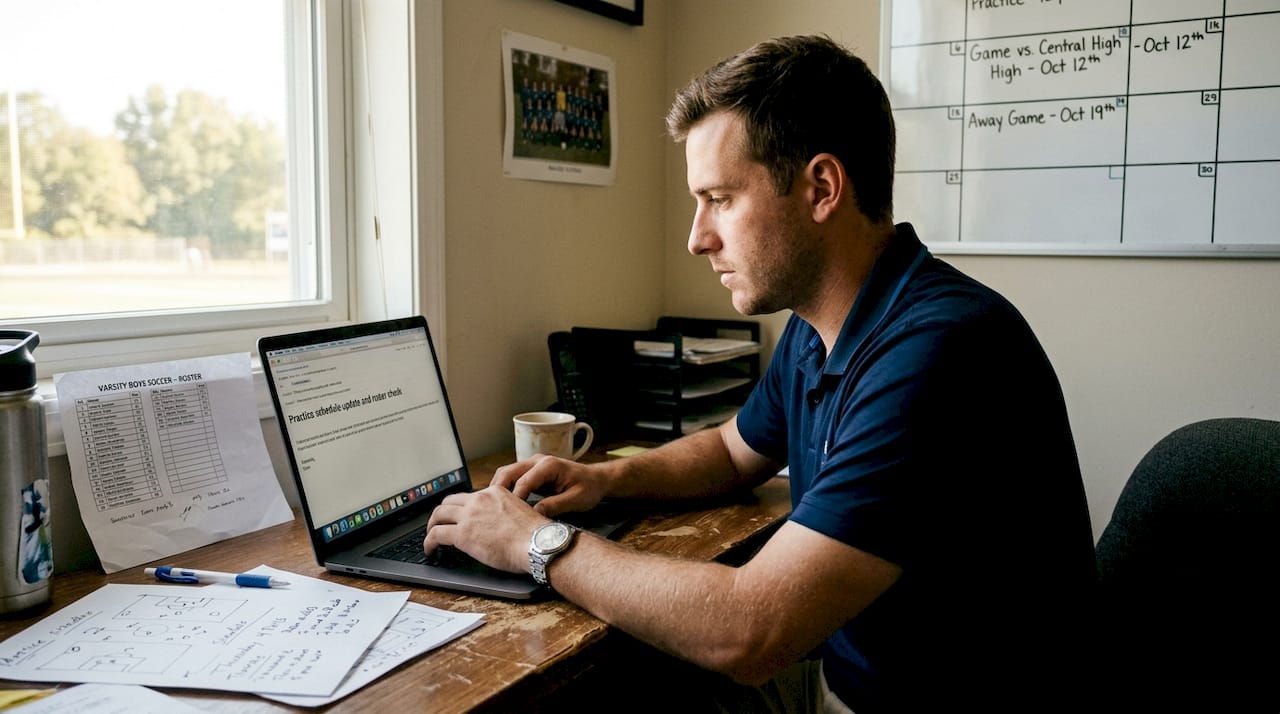
Your weekly email updates should follow a predictable format that parents come to expect. Send them every Sunday evening or Monday morning to cover the week ahead. Include the practice focus for the week, any schedule changes or upcoming events, brief coaching notes about team progress, and reminders about important dates or requirements. Keep these emails concise, three to four paragraphs maximum, and always end with a positive note about player effort or improvement.
Parent handbooks serve as your season-long reference document that answers common questions before parents need to ask them:
- Complete season schedule with practice times and game locations
- Detailed explanation of your coaching philosophy and methods
- Clear playing time policies and how decisions are made
- Emergency contact procedures and medical information requirements
- Team rules, expectations, and consequences for violations
- Communication protocols and chain of command
- Volunteer opportunities and ways parents can support the team
Pro Tip: Design a simple email template you can reuse each week with consistent sections for schedule, focus areas, and announcements. This saves you time while maintaining professionalism and ensures you never forget important information. Parents appreciate the predictability, and you’ll spend less time answering individual questions about basic logistics.
Different communication approaches yield vastly different results. Here’s how they compare:
| Approach | Benefits | Challenges |
|---|---|---|
| Reactive (responding only when problems arise) | Minimal time investment, addresses immediate concerns | Creates anxiety, damages trust, increases conflicts |
| Proactive (occasional updates when you remember) | Shows some effort, provides periodic information | Inconsistent, leaves information gaps, unpredictable |
| Structured (weekly emails, handbooks, scheduled meetings) | Builds trust, prevents conflicts, saves time long-term, professional image | Requires initial setup time, needs consistent commitment |
The structured approach requires more effort upfront but pays massive dividends throughout your season. Parents feel informed and valued, which translates directly into fewer complaints and more support for your program. You’ll find that many potential conflicts never materialize because parents already have the information they need. This foundation of effective communication strategies supports everything else you do as a coach.
Handling challenging conversations and difficult parents constructively
Even with perfect preparation and consistent communication, you’ll encounter difficult situations. The key is managing these moments professionally while protecting your team’s morale and your own sanity. Setting boundaries early with difficult parents and documenting decisions with objective data keeps conversations focused on player development rather than emotions.
Follow these best practices when dealing with challenging parent interactions:
- Address concerning behaviors immediately rather than letting them escalate
- Always hold difficult conversations in private, never in front of players or other parents
- Use objective data from practice attendance, time trials, and skill assessments to support decisions
- Keep detailed notes of all significant parent interactions with dates and outcomes
- Stay calm and redirect emotional outbursts back to facts and player development
- Involve your athletic director early if a situation feels like it’s spiraling
The most effective approach to difficult parents combines clear boundaries, documented evidence, and unwavering focus on what’s best for the player. When you ground every decision in objective criteria and player development rather than subjective feelings, you remove much of the emotional fuel that drives conflicts.
Sideline coaching from parents presents a special challenge that undermines your authority and confuses players. When parents constantly yell instructions that contradict your system, players don’t know who to listen to. Start by addressing this in your pre-season meeting as unacceptable behavior. If it happens during games, give one private warning explaining how it hurts their child’s development. If it continues, consider benching the player temporarily and explaining to both parent and player that you need to eliminate the confusion. This sounds harsh, but it protects the entire team and usually solves the problem immediately.
Your communication chain of command serves as a professional filter for concerns. Parents should first speak with you about issues. If they’re unsatisfied, the next step is your athletic director or program coordinator, not social media or other parents. Make this crystal clear from day one. When parents skip steps and go straight to administrators, calmly redirect them back through proper channels. This protects you from ambush complaints and ensures concerns are addressed systematically. It also teaches players and parents valuable lessons about professional communication they’ll use throughout life. Connect these approaches with your broader player feedback methods to create a comprehensive communication system.
Verbal encouragement and building positive parent-coach relationships
While much of parent communication focuses on preventing problems, the real magic happens when you build genuinely positive relationships. These connections create an environment where players thrive, parents support your program enthusiastically, and everyone works toward common goals. Research shows that coach leadership and parent involvement significantly affect young athletes’ life skills development (p<0.05), proving that your communication efforts extend far beyond basketball.
Positive coach-parent relationships deliver measurable benefits for your players:
- Increased intrinsic motivation and love for the game
- Reduced performance anxiety and fear of failure
- Enhanced skill development through consistent practice and effort
- Improved team cohesion and supportive peer relationships
- Greater resilience when facing challenges or setbacks
- Better transfer of life skills like discipline, teamwork, and goal setting
The science backs this up in fascinating ways. Studies demonstrate that verbal encouragement from coaches improves psychophysiological responses and technical performance in youth basketball players. When you offer genuine, specific praise, it literally changes how players’ bodies respond during competition, lowering stress hormones and improving heart rate patterns. This means your positive communication with both players and parents creates a ripple effect that enhances actual game performance.
Model the behavior you want to see by maintaining positivity in all your parent interactions. When you communicate challenges, frame them as growth opportunities. When discussing playing time, emphasize development timelines rather than current limitations. Share specific examples of improvement you’ve noticed, even for players who aren’t stars. Parents mirror your attitude, so if you approach their child’s basketball journey with optimism and patience, they’re far more likely to do the same.
Building trust takes time but pays exponential dividends. Return emails promptly, follow through on commitments, and admit mistakes when you make them. Celebrate team successes publicly and address problems privately. Recognize parent volunteers and thank them specifically for their contributions. These small gestures accumulate into a reservoir of goodwill that carries you through inevitable rough patches. When parents trust you and feel valued, they become your biggest advocates rather than your biggest headaches. Enhance this foundation by exploring comprehensive coaching feedback strategies that create a positive team culture.
Explore Hoop Mentality resources for coaching success
Effective parent communication is just one piece of building a successful youth basketball program. You also need structured practice plans, proven drills, and comprehensive preparation strategies that make your coaching more efficient and effective.
Hoop Mentality’s Game Preparation Guide with Weekly Practice Plan provides the organizational framework that complements your communication efforts. These professionally designed practice plans help you maximize every minute with your players while giving you clear talking points for your weekly parent updates. When parents see structured, purposeful practices, their confidence in your program grows naturally.
Develop your players’ skills with specialized resources like the Big Man Dual Action Drill, which focuses on post player development through progressive, game-realistic scenarios. Strong player development reduces parent complaints about playing time because progress becomes visible and measurable. Visit Hoop Mentality to explore comprehensive coaching resources designed specifically for youth basketball coaches who want to succeed with both players and parents.
FAQ
What are the most effective ways to communicate playing time with parents?
Use pre-season meetings to establish clear, objective criteria for playing time decisions including effort, attendance, skill development, and game situation needs. Support your decisions with concrete data from timed drills, practice attendance records, and specific skill assessments rather than subjective opinions. Apply the 24-hour rule strictly, refusing to discuss playing time immediately after games when emotions run high. This approach removes much of the emotional charge from these conversations and helps parents understand that decisions are fair and based on measurable factors. Check out these basketball preseason tips for more preparation strategies.
How can I manage parents who frequently overstep boundaries during games?
Set crystal clear boundaries during your pre-season meeting about acceptable sideline behavior and the problems caused by parents coaching from the stands. When violations occur, address them immediately with a private conversation explaining how their behavior confuses their child and undermines team success. If the behavior continues after a warning, consider temporarily benching the player and explaining to both parent and child that you need to eliminate the conflicting instructions for everyone’s benefit. This firm approach usually solves the problem quickly while demonstrating that you prioritize team harmony and player development over appeasing difficult parents. Combine this with strong player feedback methods to maintain clear communication channels.
What is the 24-hour rule and why is it important?
The 24-hour rule means no discussions about playing time, coaching decisions, or conflicts happen immediately after games end. This mandatory cooling-off period allows emotions to settle so conversations can be constructive rather than confrontational. Parents often feel intense emotions watching their children compete, and immediate discussions typically escalate into arguments rather than productive problem-solving. By enforcing this rule consistently, you prevent impulsive conflicts, demonstrate professional boundaries, and build mutual respect. Most concerns that feel urgent in the heat of the moment either resolve themselves or can be addressed much more calmly the next day.
How does positive parent-coach communication affect players?
Positive coach-parent relationships directly enhance player motivation, reduce performance anxiety, and accelerate skill development by creating a supportive environment where athletes feel safe to take risks and learn from mistakes. Research proves that strong coach leadership and positive parent involvement significantly improve young athletes’ life skills including discipline, goal setting, teamwork, and resilience that extend far beyond basketball. When parents and coaches work together with mutual respect and shared goals, players experience less stress, enjoy the game more, and develop both athletically and personally at faster rates. Explore coaching feedback strategies to build this positive environment systematically.