

Player mentors are experienced athletes who guide, support, and develop their teammates. Their role sits between peer and leader. They fill a gap that coaches cannot always reach, and the impact on team culture is direct and measurable.
Table of Contents
- What player mentors actually do on a team
- How player mentors influence athletes and team dynamics
- Qualities and responsibilities that make player mentors effective
- How coaches can build and support a mentorship program
- Challenges and limitations coaches need to plan for
- What current research says about mentorship in sports
- Build your team systems with Hoop Mentality
- Key Takeaways
- FAQ
What player mentors actually do on a team
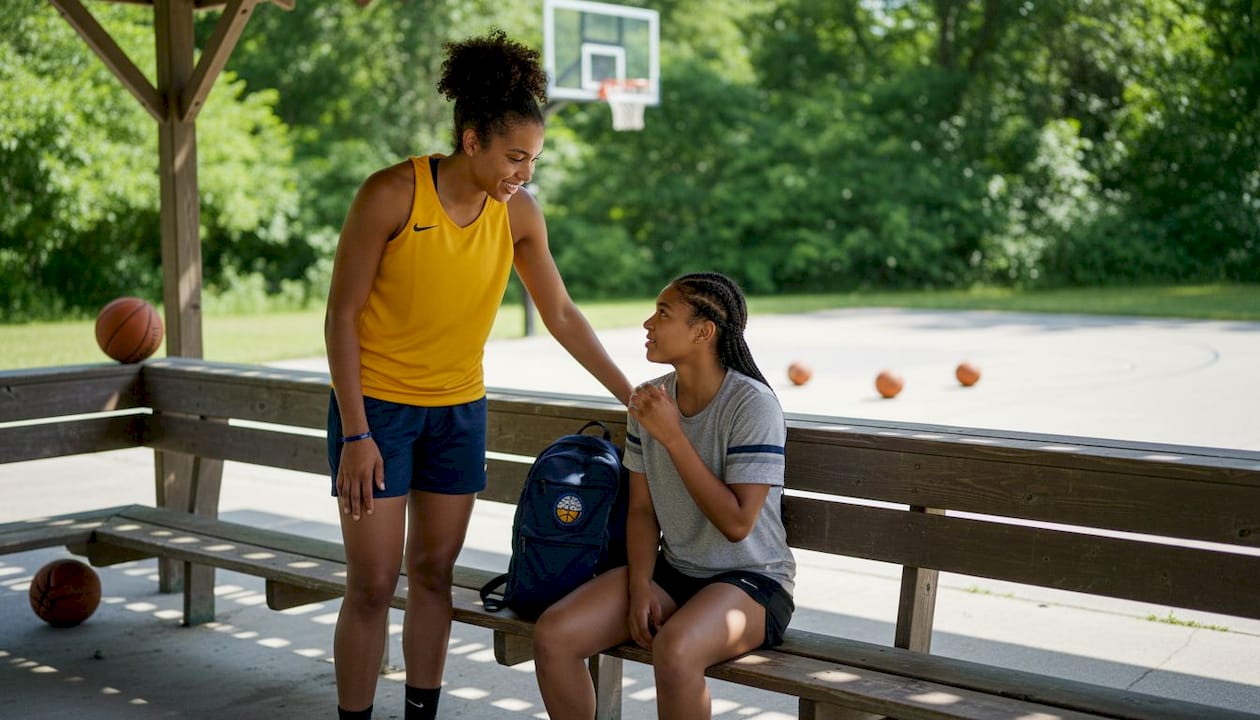
Player mentors are veteran athletes who take on a structured support role for newer or younger teammates. They are not assistant coaches. Their authority comes from shared experience, not a title. That distinction is what makes them effective.
Their core responsibilities cover four areas:
- Guidance: Explaining practice expectations, competition routines, and team norms to newer players
- Motivation: Encouraging effort, helping teammates rebound from mistakes, and celebrating progress
- Social integration: Connecting players across experience levels, reducing cliques, and closing status gaps
- Role modeling: Demonstrating the team’s values through consistent behavior on and off the court
The best mentors embrace the team’s culture regardless of their own talent level. A player who scores 20 points a game but undermines teammates is a poor mentor candidate. A player who puts in high effort, treats others with dignity, and supports the coaching philosophy is the right fit, whatever their stats say.
How player mentors influence athletes and team dynamics
The benefits of peer mentoring in sports are well documented. Studies have found that peer-mentored athletes report significantly higher satisfaction than non-peer-mentored athletes across performance, dedication, team contribution, and training. In a study of 444 intercollegiate athletes, 272 well-peer mentored athletes had superior satisfaction in eight key areas compared to 172 non-peer mentored peers.
Stat to know: Research shows that athletes who are well-peer mentored perceive significantly higher satisfaction across eight key aspects of their athletic experience compared to those who are not peer mentored.
Player mentors also serve as social glue. They manage team chemistry and reduce the status gaps that coaching staff often cannot reach. NBA veteran DeAndre Jordan is a clear example: his mentoring leadership prioritized team members over personal ego, a shift that veteran players must make consciously. Mentors who share personal failures, not just advice, build the kind of trust that changes how a locker room operates.
The effects extend beyond sport. Research using the Add Health national longitudinal study found that coach mentorship was associated with higher rates of high school and college completion among youth athletes, even after controlling for sports participation and academic grades.
Qualities and responsibilities that make player mentors effective
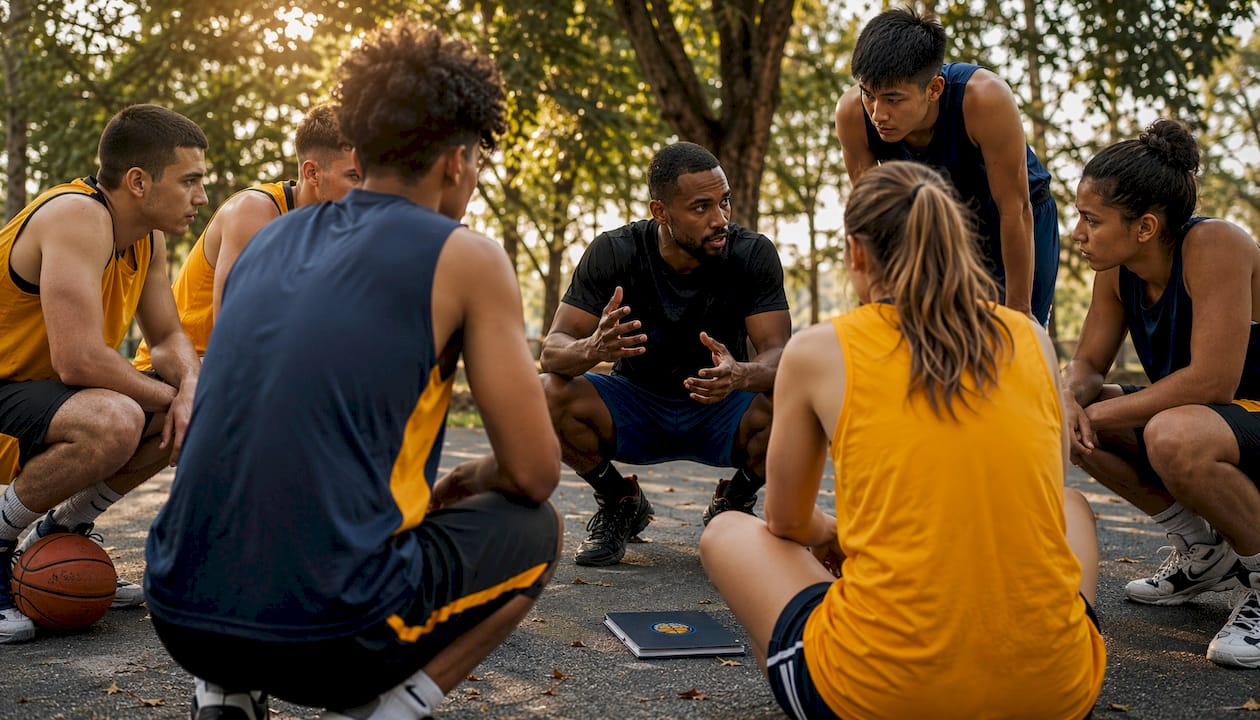
Effective mentors share a specific set of traits. Identifying them before launching a program saves time and prevents friction later.
Core qualities to look for:
- Integrity and consistent behavior, not just during games
- Empathy and genuine interest in a teammate’s perspective
- A growth mindset, open to learning as well as teaching
- Alignment with the coaching philosophy and team culture
- High effort in practice, regardless of playing time
Day-to-day responsibilities include:
- Regular check-ins with their mentee, listening before advising
- Providing encouragement when a player seems discouraged
- Explaining what is expected in practice and before big competitions
- Connecting with mentees on topics beyond basketball
One boundary matters above all others: mentors must not take on disciplinary tasks. Mentorship roles that drift into correction or authority create friction with coaching staff and undermine the program. Keep mentors focused on social and mindset support.
Pro Tip: Encourage mentors to adopt an educative stance, treating the relationship as two-way learning. Research confirms that mentors who view the relationship as reciprocal gain enhanced confidence and stronger reflective skills alongside their mentees.
How coaches can build and support a mentorship program
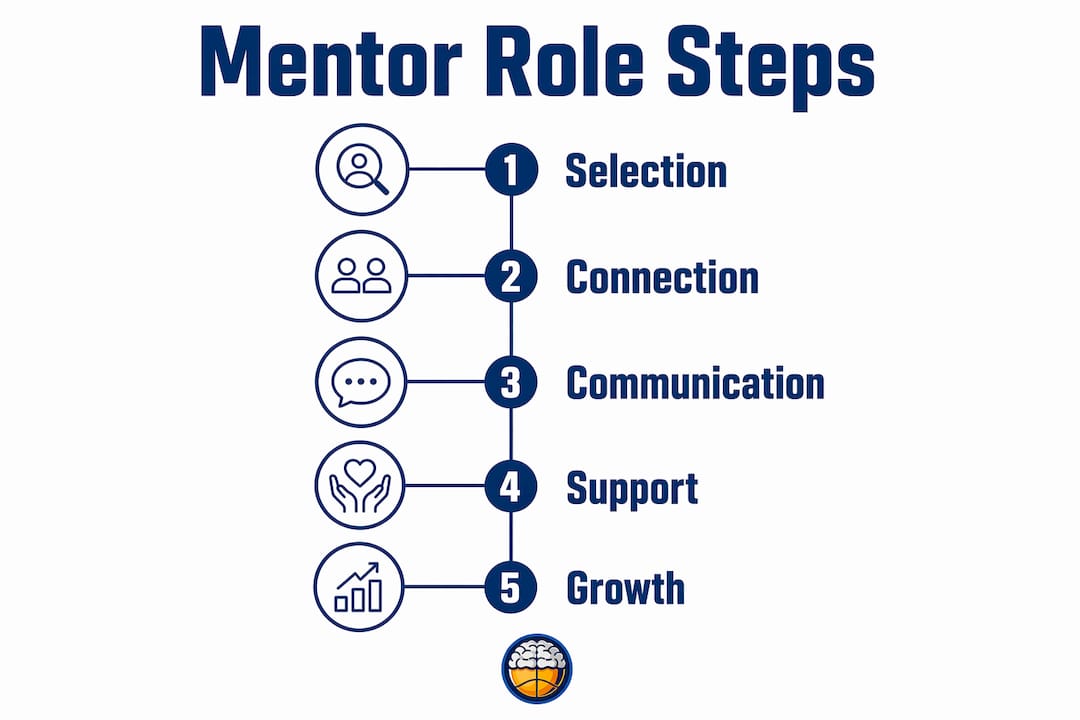
Coaches who treat player mentors as cultural extensions of the staff get better results than those who treat mentorship as informal and unstructured. The coach’s role is to shift from director to facilitator, creating clear expectations and regular connection opportunities.
Steps to build a working program:
- Select mentors carefully. Use transparent criteria so players who are not selected know what to work toward. Hold one-on-one conversations with any player who needs an explanation.
- Write simple guidelines. Tell mentors exactly what you expect: check-ins, encouragement, competition prep tips, and connecting beyond sport. Keep the list short and clear.
- Assign every younger player a mentor. If numbers require it, one mentor can cover two mentees. No player should be left without a connection.
- Build mentorship into practice. Have mentors lead stretches, help explain new drills, and work alongside their mentees during sessions. Structured contact beats hoping it happens organically.
- Host a team bonding event early in the season. Set aside dedicated time for mentor-mentee pairs to connect one-on-one outside of sport. Team bonding activities accelerate trust faster than practice alone.
- Check in regularly throughout the season. Ask mentors and mentees what they have learned about each other, what has been hard, and what has worked. Adjust pairings if something is not working.
- Recognize mentors at the end of the season. Acknowledge their contribution publicly. It reinforces the value of the role and motivates future candidates.
Professional leagues use structured “caddy” systems that pair veterans with younger players by position for targeted mentorship during practice. The AFL’s approach shows that pairing by playing role improves the relevance of feedback, since a center’s advice lands differently with another center than with a guard.
Challenges and limitations coaches need to plan for
Mentorship programs fail in predictable ways. Knowing the common pitfalls lets you address them before they become problems.
- Ego shift resistance. Veteran players accustomed to being the focus must consciously shift to a support role. Not every experienced player is ready for that. Selecting mentors who already show this quality is easier than trying to develop it mid-season.
- Unclear role boundaries. When mentors start correcting technique or enforcing team rules, tension with coaching staff follows quickly. Define the boundaries in writing before the season starts.
- Mentor burnout. Carrying responsibility for another player’s development on top of personal performance demands is real. Rotate pairings mid-season when needed and check in with mentors, not just mentees.
- Clique formation. A poorly managed mentor program can reinforce existing social groups rather than break them down. Intentional cross-group pairings prevent this.
- Status gaps. If a mentee earns a starting role over their mentor, the relationship can become strained. Address this directly: remind mentors that their job is to support the team’s success, regardless of playing time.
The FPA Finland mentor program, which pairs experienced Finnish footballers with young players navigating careers abroad, uses monthly meetings to maintain connection without creating pressure. That rhythm, enough contact to address problems before they grow, is a useful model for any team-based program.
What current research says about mentorship in sports
The evidence base for mentorship in athletic training has grown considerably. A 2024 review confirms that mentorship plays a significant role in psychological and performance development, with documented gains in resilience, self-confidence, and stress management under competitive pressure.
Key findings worth building your program around:
- Mentorship improves athletes’ physical performance by supporting more effective training strategies, including endurance and strength development.
- Psychological resilience increases under mentorship. Young athletes who receive mentoring show stronger self-efficacy and handle competitive stress more effectively.
- Reciprocal learning benefits mentors as well as mentees. Mentors who approach the relationship as mutual development gain reflective skills and confidence that carry into their own performance.
- Social integration improves. Mentored athletes report stronger team cohesion and a greater sense of belonging, outcomes that directly affect retention and effort.
- The benefits extend past sport. Leadership and problem-solving skills developed through mentorship have documented positive effects on athletes’ professional lives after their playing careers end.
Research note: A longitudinal study using the Add Health national dataset found that coach mentorship was associated with higher rates of high school and college completion, even after controlling for sports participation and academic grades.
For coaches building player leadership development systems, these findings make a clear case: structured mentorship is not a soft add-on. It produces measurable gains in the areas coaches care about most.
Build your team systems with Hoop Mentality
Hoop Mentality gives coaches the tools to put these frameworks into practice. The Basketball Starter Pack for Coaches includes practice plans, drills, and strategy guides built from real coaching experience. Use it to structure your mentorship program alongside your practice schedule from day one.
Key Takeaways
Player mentors who are carefully selected, clearly guided, and actively supported by coaches produce measurable gains in athlete satisfaction, team cohesion, and long-term development outcomes.
| Point | Details |
|---|---|
| Selection criteria matter | Choose mentors who embody team culture and coaching philosophy, not just the most talented players. |
| Satisfaction gains are documented | — |
| Boundaries prevent friction | Mentors must stay in a social and mindset support role; disciplinary tasks undermine coaching authority. |
| Reciprocal learning strengthens mentors | Mentors who treat the relationship as two-way gain confidence and reflective skills alongside their mentees. |
| Coaches must stay involved | Regular check-ins, structured pairings, and mid-season adjustments keep the program working throughout the season. |
FAQ
What is the role of a player mentor in sports?
A player mentor is an experienced athlete who guides, motivates, and supports a younger or newer teammate. Their role covers social integration, emotional support, and role modeling, not technical coaching or discipline.
What are the core responsibilities of a mentor?
Mentors check in regularly with their mentee, provide encouragement, explain team expectations, and connect on topics beyond sport. They help mentees rebound from mistakes and prepare for competition, while staying out of disciplinary tasks.
What are the 4 C’s of mentoring in a sports context?
Definitions vary across frameworks, but a widely used version in sports mentorship covers connection, communication, consistency, and care. These four qualities describe how effective mentors build trust and sustain productive relationships with their mentees.
How does mentorship affect athlete performance?
Research confirms that peer-mentored athletes show gains in performance confidence, training dedication, and team contribution. Psychological resilience and stress management also improve under structured mentorship.
How should coaches structure a mentorship program?
Coaches should select mentors using transparent criteria, provide simple written guidelines, assign every younger player a mentor, build mentor-mentee interaction into practice, and check in with both parties regularly throughout the season.