

TL;DR:
- Effective basketball coaching resources in 2026 are evidence-based, adaptable, and regularly updated to reflect current trends.
- Combining US sport science with European fundamentals creates versatile players capable of adjusting to various game situations.
Every year, new books, apps, videos, and frameworks flood the basketball coaching market. Most coaches spend hours sorting through options that look good on paper but never translate to better practices or stronger teams. The resources that actually move the needle share a few common traits: they are grounded in real evidence, they fit your specific program needs, and they are practical enough to use right now. This guide gives you a clear framework for evaluating options, a curated list of top picks for 2026, and direct guidance on matching the right resource to your current coaching challenge.
Table of Contents
- How to evaluate basketball coaching resources
- Top basketball coaching resources for 2026
- Comparing resource types: Books, tools, and guides
- Situational picks: What to use for different coaching goals
- Why a blended approach outperforms one-size-fits-all methods
- Ready to elevate your coaching toolkit?
- Frequently asked questions
Key Takeaways
| Point | Details |
|---|---|
| Evidence-based matters | Choose resources backed by science and modern standards for maximum impact. |
| Blend philosophies | Mix US tech-driven tools and Euro fundamentals for well-rounded programs. |
| Match resources to goals | Select resource types based on your specific coaching objectives and team needs. |
| Recovery is vital | Integrate professional recovery protocols to keep athletes healthy and ready. |
| Update your toolkit | Review and refresh your strategies annually to stay competitive in evolving basketball environments. |
How to evaluate basketball coaching resources
Before loading up on new materials, you need a filter. Not every trending resource deserves space in your toolkit.
Start by defining your primary goal. Are you focused on skill development, athletic conditioning, tactical readiness, or building team culture? A resource that excels at one area may fall short in another. Knowing your priority saves you time and money.
Next, separate evidence-based resources from trendy ones. Science-based, positionless training is now the standard in top US programs, moving away from one-size-fits-all methods toward individualized athlete development. Look for resources that cite actual research, include measurable benchmarks, and have been tested with real teams.
There is also a meaningful difference between US and European coaching traditions. US resources often lead with sport science, technology, and physical conditioning protocols. European resources tend to emphasize fundamentals and player basketball IQ. The strongest programs in 2026 borrow from both. Exploring modern training methods that blend these traditions gives your program a competitive edge that neither approach delivers alone.
Here are the key factors to check before committing to any resource:
- Adaptability: Can you scale it for youth, high school, or college levels?
- Proven results: Is there data, testimonials, or case studies backing it up?
- Research currency: Was it updated to reflect current athletic science and basketball trends?
- Player feedback integration: Does it include methods to track how players respond?
- Ease of use: Will your staff actually implement it during a busy season?
Pro Tip: Test any new resource during the preseason or off-season first. Running an untested system during a playoff push is a fast way to lose confidence in it.
Adding high-quality conditioning drills to your evaluation checklist also helps you confirm whether a resource supports full athletic development or only one dimension of player fitness.
Top basketball coaching resources for 2026
Armed with this evaluation framework, here are the top resources making a real difference this year.
Books and structured guides
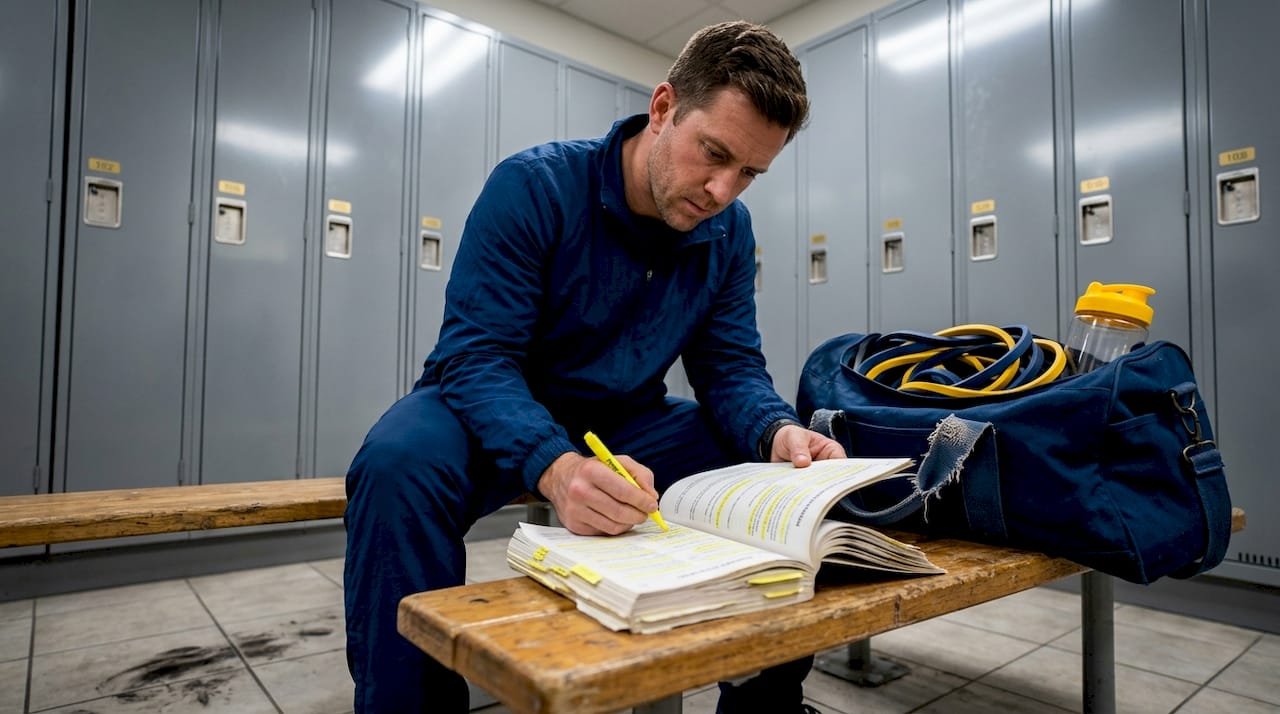
Complete Conditioning for Basketball from the NBSCA (National Basketball Strength and Conditioning Association) remains the gold standard for physical development. The book includes standards and protocols for high-level athlete development across positions and training phases. It is not a collection of generic drills. It is a structured system built around measurable outcomes.
European development resources offer a different kind of depth. European basketball player development systems emphasize fundamentals first, producing adaptable players with high basketball IQ who perform consistently across different systems. These resources are particularly valuable for coaches building long-term player skills rather than short-term results.
For practice efficiency, structured basketball cardio drills help youth and high school coaches get conditioning work done within normal practice windows without sacrificing skill time.
Digital tools and platforms
Video analysis platforms like Synergy Sports and Hudl continue to lead for game preparation and player evaluation. They allow coaches to tag plays, track tendencies, and share clips directly with players for real-time feedback. The data these platforms generate supports smarter in-game adjustments and more targeted practice design.
Wearable technology has also become more accessible at the high school level. Heart rate monitors and GPS trackers help coaches measure effort and recovery loads across a full week of training.
Tactical and skills guides
Targeted skill development guides cover areas like shooting drill types, ball handling progression, and position-specific offense. A strong fundamentals guide gives both new and experienced coaches a reliable reference for building foundational skills before adding complexity.
Recovery resources are easy to overlook, but they directly affect performance. Reviewing athlete recovery routines from experts in sports wellness helps coaches build sustainable training cycles that reduce injury risk.
| Resource | Type | Key Feature | Best For |
|---|---|---|---|
| Complete Conditioning for Basketball | Book | NBSCA benchmarks and protocols | All-level conditioning programs |
| Synergy Sports | Digital platform | Video tagging and opponent scouting | Game prep and film review |
| European development guides | Tactical guide | Fundamentals and IQ focus | Long-term player development |
| Hoop Mentality practice plans | Practice guide | Ready-to-use weekly structure | In-season time management |
| Coldture recovery resources | Wellness guide | Recovery protocols for athletes | Off-season and injury return |
Pro Tip: Build a resource library with at least one pick from each category above. Relying on a single type leaves gaps in your program.
Comparing resource types: Books, tools, and guides
Now that you have a list, let’s compare what each category brings to your toolkit.
Books offer the greatest depth. They allow you to study a system fully before implementing it. The downside is that some books age quickly as sport science evolves. The best ones, like the NBSCA’s guide that sets balanced performance standards for all levels, include clear benchmarks that remain relevant across multiple seasons.
Digital tools offer something books cannot: real-time feedback. A video analysis platform shows you what actually happened in practice or in a game, not what you think happened. The limitation is cost and learning curve. Cheaper tools offer less depth. Premium platforms require staff training to use well.
Practice guides occupy the middle ground. They are faster to implement than full books and more structured than raw data from digital tools. A weekly practice plan gives your staff a clear road map, which reduces preparation time and improves practice quality. Explore detailed player development tips to get more from your practice time each week.
Here is a direct comparison of the three types:
| Category | Depth | Flexibility | Immediate Use | Best Season Phase |
|---|---|---|---|---|
| Books | High | Low to medium | Low | Off-season and preseason |
| Digital tools | Medium | High | Medium | In-season |
| Practice guides | Medium | Medium to high | High | Preseason and in-season |
How to blend these three resource types for maximum benefit:
- Use books in the off-season to design your system and set benchmarks.
- Build your preseason practice structure from a solid guide or template.
- Run digital tools during the season to track real performance against your benchmarks.
- Review data after each month to adjust your guide and plan for the next cycle.
- Return to books during the end of season to refine your approach for next year.
“The goal is not to use more resources. The goal is to use the right ones at the right time.” This is the difference between a coach who is constantly adding new ideas and one who builds a system that compounds over multiple seasons.
Strong skills development training only happens when you have a consistent structure. Tools and guides support that structure. Books build the knowledge behind it.
Situational picks: What to use for different coaching goals
Not sure which resource fits your current situation? Here is how to match the right tool to your real-world challenge.
For tactical planning: A detailed playbook combined with video analysis. Use your digital platform to study opponent tendencies, then organize your response within a structured playbook. Consistent player feedback through intentional player feedback methods helps you confirm that your tactical adjustments are landing with players.
For maximizing practice efficiency: A weekly practice plan guide is the fastest win here. Pre-built structures remove the daily decision burden from your coaching staff. You spend energy on coaching, not on scheduling.
For off-season athlete development: The NBSCA’s resource is the top choice. Complete Conditioning for Basketball includes mobility, speed, and injury return protocols that map directly to a structured off-season program. Pair it with a clear skills development workflow to track individual player growth across the summer.
For player recovery: Do not treat recovery as optional. Consult structured resources like red light therapy recovery tools alongside team recovery protocols for players dealing with soft tissue stress or chronic fatigue. Recovery planning directly extends the number of high-quality practice sessions your players can give you each week.
Key situational matches at a glance:
- Tactical planning: Playbook plus video analysis platform
- Practice efficiency: Pre-built weekly practice guide
- Off-season development: Complete Conditioning for Basketball with individualized benchmarks
- Player recovery: Evidence-based recovery protocols and wellness guides
- Skill progression: Position-specific drill packs with built-in progressions
Pro Tip: Pair an evidence-based conditioning book with a skill-focused practice guide for multi-faceted player improvement. The physical benchmarks from the book inform how hard to push. The practice guide structures how to build skill within those limits.
The key is matching resource depth to your current coaching phase. Off-season work demands depth and long-term planning. In-season demands speed and flexibility.
Why a blended approach outperforms one-size-fits-all methods
Many coaches return to the same three or four resources year after year. That consistency feels safe, but it creates a ceiling.
The coaching teams we see building consistently winning programs are not the ones who found one great system. They are the ones who review their full resource stack every off-season and update it based on what worked, what did not, and what the research now supports. European academies focused on versatility and IQ produce players with long-lasting adaptability, exactly the kind of player who can adjust within your system when things go wrong in a game.
US sport science resources contribute something different: measurable, trackable conditioning and performance data that lets you train with precision. Combining those two traditions gives your players physical tools and cognitive tools at the same time.
Here is the uncomfortable truth. Coaches who rely entirely on one tradition eventually hit predictable walls. The team is physically dominant but cannot read the game. Or the team has excellent basketball IQ but cannot compete physically in the fourth quarter. A blended approach closes those gaps before they become liabilities.
We recommend every coaching staff do a formal resource audit once per year, ideally in May or June. Ask three questions: What did we use consistently? What delivered measurable results? What do we need that we currently lack? That third question is where growth happens.
Understanding why conditioning drills belong in every system regardless of your primary coaching philosophy helps bridge the gap between US and European approaches. Physical preparation is not a US idea or a European idea. It is a universal requirement.
Ready to elevate your coaching toolkit?
You now have a clear framework, a curated list of top resources, and a situational guide to help you make smart choices. The next step is putting the right tools in your hands.
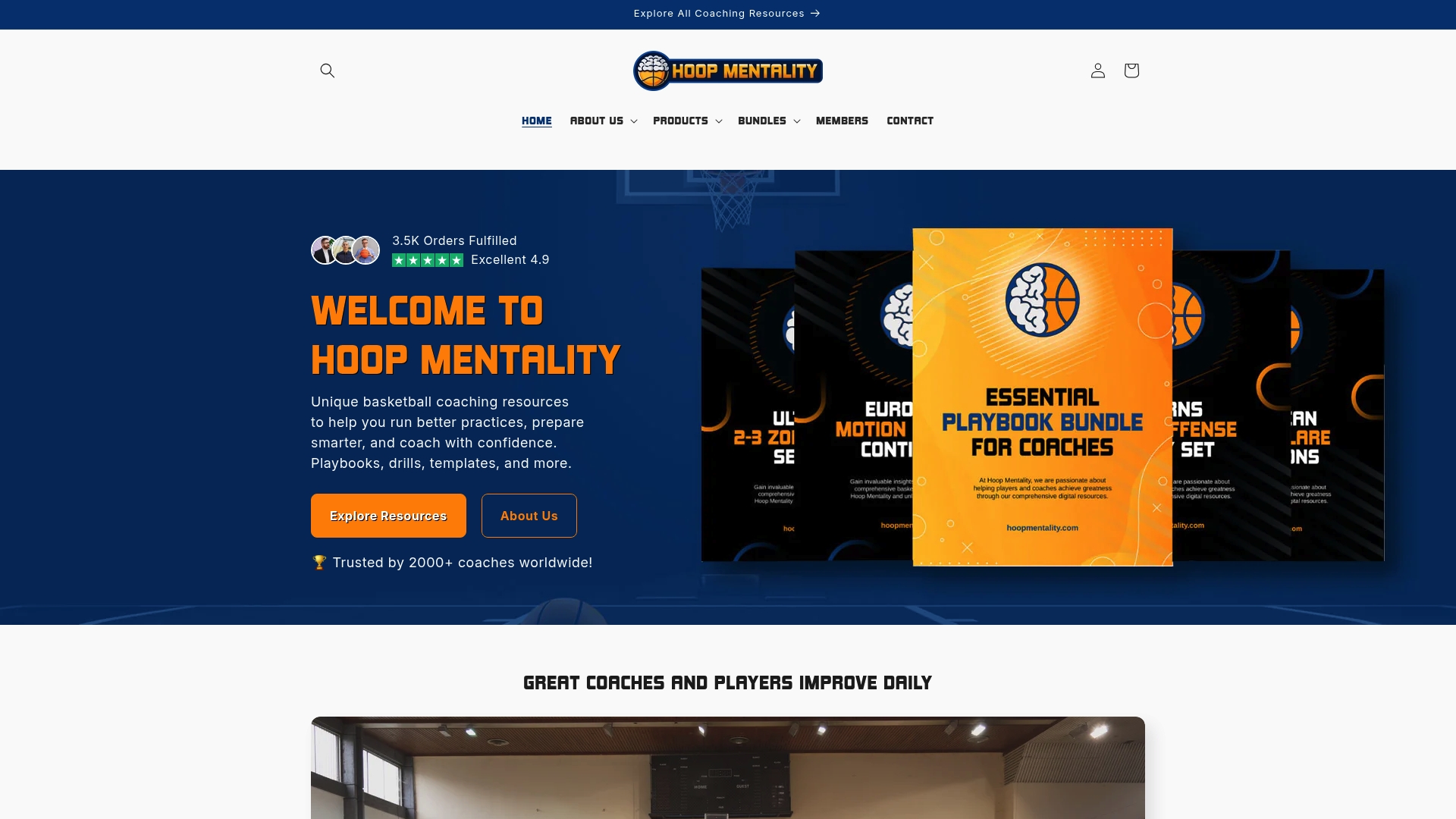
Hoop Mentality offers ready-to-use coaching resources built from real on-court experience. The Big Man Dual Action Drill is a focused drill pack designed to develop post players with efficient, high-repetition skill work that fits inside any practice plan. For coaches who want full-week structure, the practice plan guide includes a complete game preparation framework with weekly practice templates. Both resources are ready to use immediately. No setup required. Explore the full collection at Hoop Mentality and build your toolkit today.
Frequently asked questions
What makes a coaching resource effective for basketball in 2026?
Effectiveness comes from evidence-based content, adaptable frameworks, and regular updates that reflect modern basketball trends. Resources with science-based training benchmarks and normative standards consistently outperform general advice guides.
How do European development resources differ from US ones?
European resources prioritize fundamentals and player IQ, while US resources often stress physical conditioning and tech-driven tracking tools. Euro player development focuses on long-term skill building, while US systems emphasize measurable physical output.
What resource is best for off-season player development?
A structured guide with clear benchmarks, like NBSCA’s Complete Conditioning for Basketball, is the top pick for off-season programs. It includes 16-week off-season protocols and position-specific performance standards coaches can track directly.
Do recovery and injury protocols matter if I already follow drills and practice plans?
Yes, recovery is not optional. Proper protocols protect player health and maintain performance levels across a full season. Effective recovery routines directly support injury prevention and long-term athlete availability.
Can I combine multiple coaching philosophies in one program?
Yes, and you should. Blending US sports science with European fundamentals creates more versatile players and a more adaptable coaching system that can handle different opponents and game situations.