

Coaching clinics fall into three main delivery formats: in-person, virtual, and hybrid. Beyond format, they split further by audience (youth, amateur, professional, and leadership-focused coaches), by theme (sport-specific, certification-focused, and leadership development), and by coaching philosophy. Most accredited programs require structured classroom and practical participation before awarding certification or continuing education credits.
The main types, at a glance:
- In-person clinics: Hands-on, real-time demonstrations and direct feedback from expert coaches
- Virtual clinics: Live or on-demand sessions accessible from anywhere in the United States
- Hybrid clinics: Combine face-to-face sessions with online modules for flexible scheduling
- Sport-specific clinics: Focused on a single sport’s technical and tactical systems (basketball, volleyball, baseball, and others)
- Leadership and personal development clinics: Cover communication, motivation, and team dynamics
- Certification-focused clinics: Structured to meet accreditation standards from recognized coaching bodies
- Youth coach clinics: Tailored content for coaches working with developing athletes
- Mental skills and performance clinics: Address sport psychology, mental conditioning, and focus training
What formats and structures do coaching clinics use?
Clinic delivery has expanded well beyond the weekend seminar. You now have three clear options, each with real trade-offs.
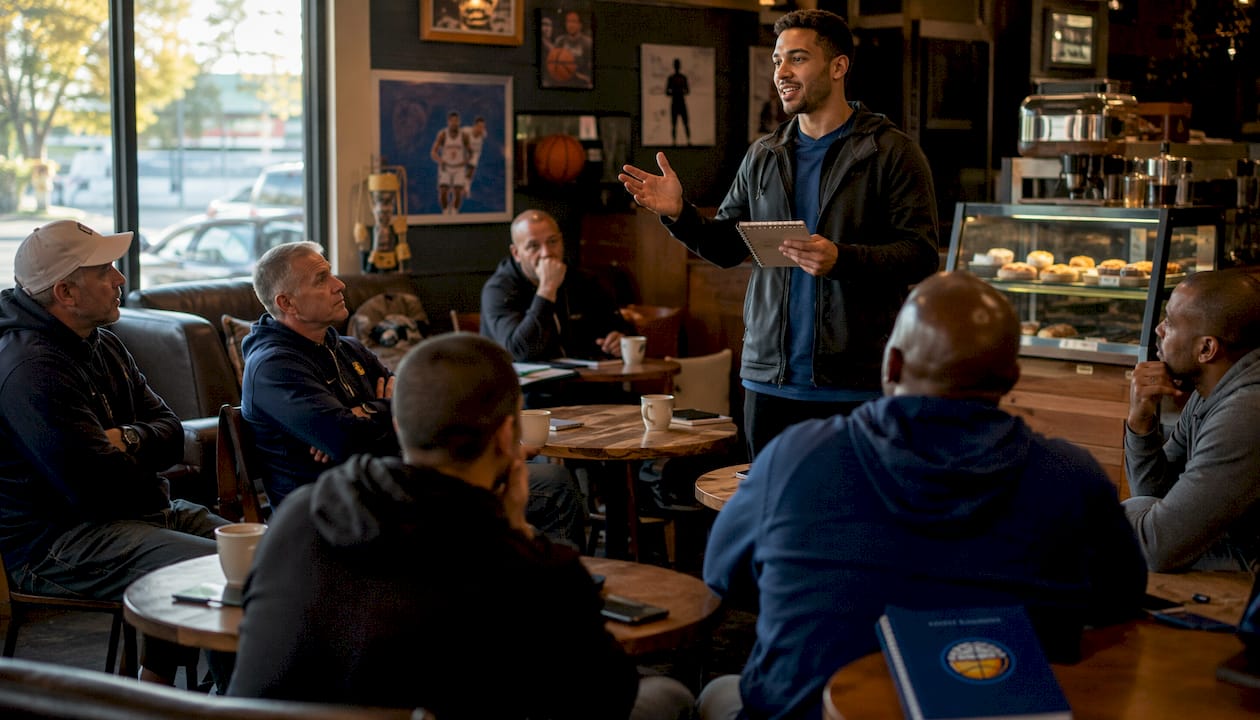
In-person clinics give you live demonstrations, immediate Q&A, and the kind of peer interaction that builds relationships fast. The downside is travel cost and fixed scheduling. Virtual clinics remove geography as a barrier entirely. A coach in rural Montana can access the same content as one in Los Angeles. Hybrid clinics split the difference: foundational content online, then a concentrated in-person session for applied practice.
Duration varies widely. Professional coaching workshops range from 1-day intensives to multi-day immersive experiences, with many programs delivering comprehensive content across multi-day sessions. Structure typically mixes:
- Lecture-based content for theory and frameworks
- Live demonstrations by expert facilitators
- Role-playing exercises where participants cycle through coach, coachee, and observer roles
- Q&A and strategy discussion segments
- Post-clinic on-demand video access for review
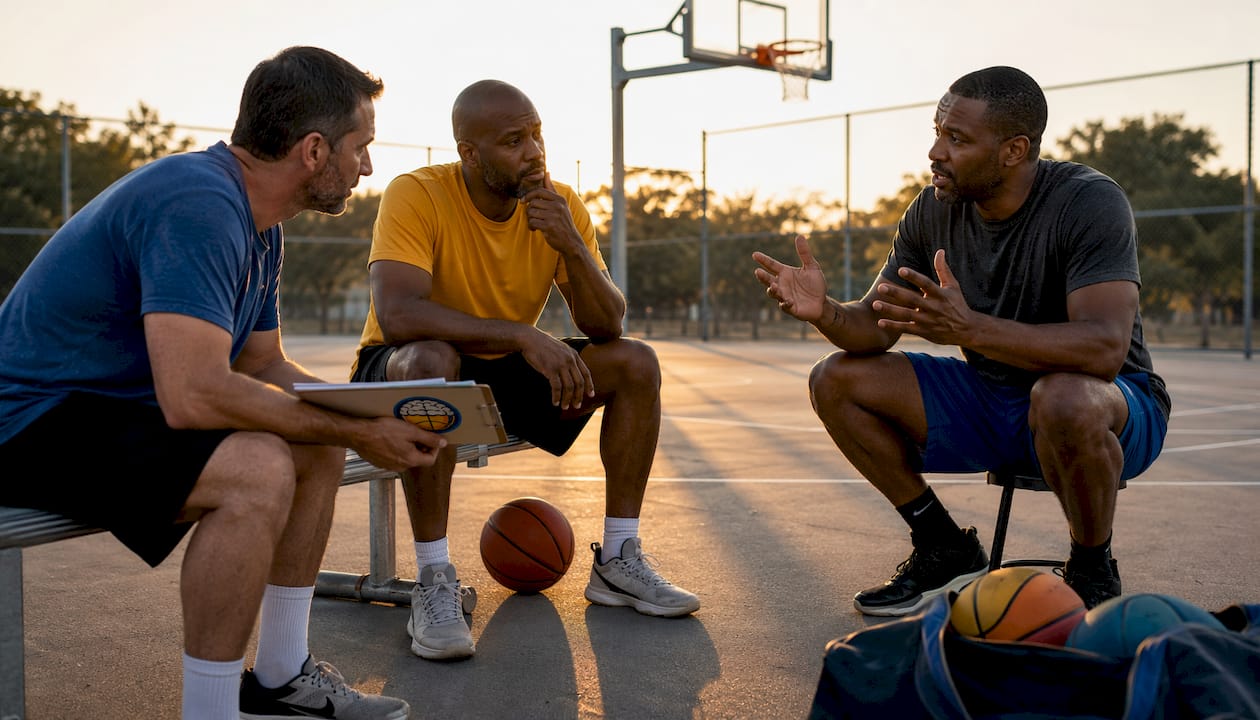
Triad role-playing, where participants rotate through all three roles, builds coaching muscle memory that lecture alone cannot replicate.
Pro Tip: When you register for any clinic, ask specifically whether on-demand recordings are included. Post-clinic video access significantly boosts how much you actually apply during the season.
What topics do coaching clinics typically cover?
The subject matter inside a clinic depends heavily on its stated focus, but most programs cluster around a few core themes.
Sport-specific clinics go deep on technical and tactical content. A basketball clinic might spend an entire day on half-court offense and defensive rotations, while a baseball clinic covers pitching mechanics and situational hitting. Clinics are tailored to coaches from novice to seasoned levels, so the depth of content shifts accordingly.
Leadership and communication clinics address the human side of coaching: how to motivate players, manage conflict, build team culture, and communicate clearly under pressure. These programs often include emotional intelligence assessments and group discussion exercises.
Specialized clinics fill narrower gaps:
- Mental conditioning: Focus, resilience, and pre-competition routines
- Injury prevention: Movement screening, load management, and return-to-play protocols (see athlete recovery practices for related guidance)
- Technology and analytics: Using data tools for game planning and self-reflection
- Youth development: Age-appropriate training design and player-centered coaching models
Many clinics also confer certification or continuing education credits, making them count toward career advancement and compliance with governing body standards.
Who leads coaching clinics, and what qualifies them?
The quality of a clinic almost always comes down to who is running it. The best facilitators bring direct, high-level experience, not just academic credentials.
Expert clinic leaders typically include former professional coaches, successful club or national team coaches, and certified leadership experts. Their value shows up in real-time demonstrations and strategy discussions grounded in actual game situations, not hypothetical scenarios. AOC Coaching Clinics and Coach Baseball Right both represent this model: clinics created by experienced coaches, for coaches, with content built from what actually works at competitive levels.
What to look for in a clinic leader:
- Verifiable coaching record at a high level (college, professional, or national team)
- Affiliation with a recognized coaching body or certification program
- Experience facilitating adult learning, not just coaching athletes
- Willingness to demonstrate techniques live rather than only describe them
A facilitator who has coached at the level you aspire to reach brings a credibility that no amount of theory replaces. Their feedback during role-playing or live practice segments carries weight precisely because it comes from real experience.
What are the three main coaching types taught in clinics?
Coaching clinics commonly address three core coaching types: directive, facilitative, and transformative. Each serves a different development goal, and most coaches need all three depending on context.
Directive coaching centers on skill transfer. The coach identifies a gap, demonstrates the correct technique or tactic, and guides the athlete or staff member toward replication. It works well in early skill acquisition and time-pressured situations. Most sport-specific clinics spend the majority of their time here, covering college coaching strategies and technical systems.
Facilitative coaching shifts the dynamic. Instead of providing answers, the coach asks questions that help the athlete or coachee discover solutions independently. Clinics teaching this style often use the GROW model (Goal, Reality, Options, Will) or similar structured inquiry frameworks. The goal is building self-awareness and problem-solving capacity over time.
Transformative coaching goes deepest. It targets identity, core beliefs, and the mental models that shape how a coach or athlete sees themselves and their role. A coach who believes “my job is to fix problems” will coach very differently from one who believes “my job is to create possibilities.” Clinics focused on this type often incorporate mindset work, reflective journaling, and peer coaching triads.
What modern methods make coaching clinics more effective?
The best clinics today go well beyond chalk talks and slideshows. Effective programs blend active and passive learning methods, pairing real-time demonstrations and practice with lecture-based content to maximize skill retention.
Advanced leadership clinics now incorporate neuroscience, emotional intelligence, and HeartMath® coherence techniques to build coaching presence and generative inquiry skills. These methods help coaches regulate their own emotional state before trying to manage a team’s. On the technology side, AI and data analytics tools are appearing in clinics to help coaches analyze game film, track performance trends, and build data-informed practice plans. Hoop Mentality’s own resources on analytics in basketball reflect exactly this shift.
Networking is another underrated return. Generalist clinics facilitate connections with vendors, administrators, and peers that often outlast the clinic itself. Specialized clinics deliver higher tactical ROI but narrower networking. Knowing which you need before you register saves both time and money.
Pro Tip: Prioritize clinics that address who you are as a coach, not just what you know. Mindset shifts produce longer-lasting results than any single tactical system.
How accessible are coaching clinics across the United States?
Geographic access to coaching clinics has improved considerably, though gaps remain between urban and rural areas.
Major metropolitan areas (Los Angeles, Chicago, New York, Dallas, and Atlanta) host the highest concentration of in-person clinics, particularly for basketball, baseball, and volleyball. University-based programs add another layer: institutions like the University of North Texas run sport psychology skills clinics specifically for coaches and leaders, combining mental performance training with practical coaching application.
Virtual and hybrid formats have done the most to close the access gap. A coach in a small town can now attend a clinic run by a nationally recognized facilitator without leaving their state. On-demand content libraries extend that access further, letting coaches revisit material during the off-season or mid-season when schedules allow.
Cost remains a real barrier for some coaches. Clinic fees vary by format and provider, and not all programs offer financial assistance or group discounts. Coaches at the youth and amateur levels often have the least institutional support for professional development spending, which makes free or low-cost virtual options especially valuable for that group.
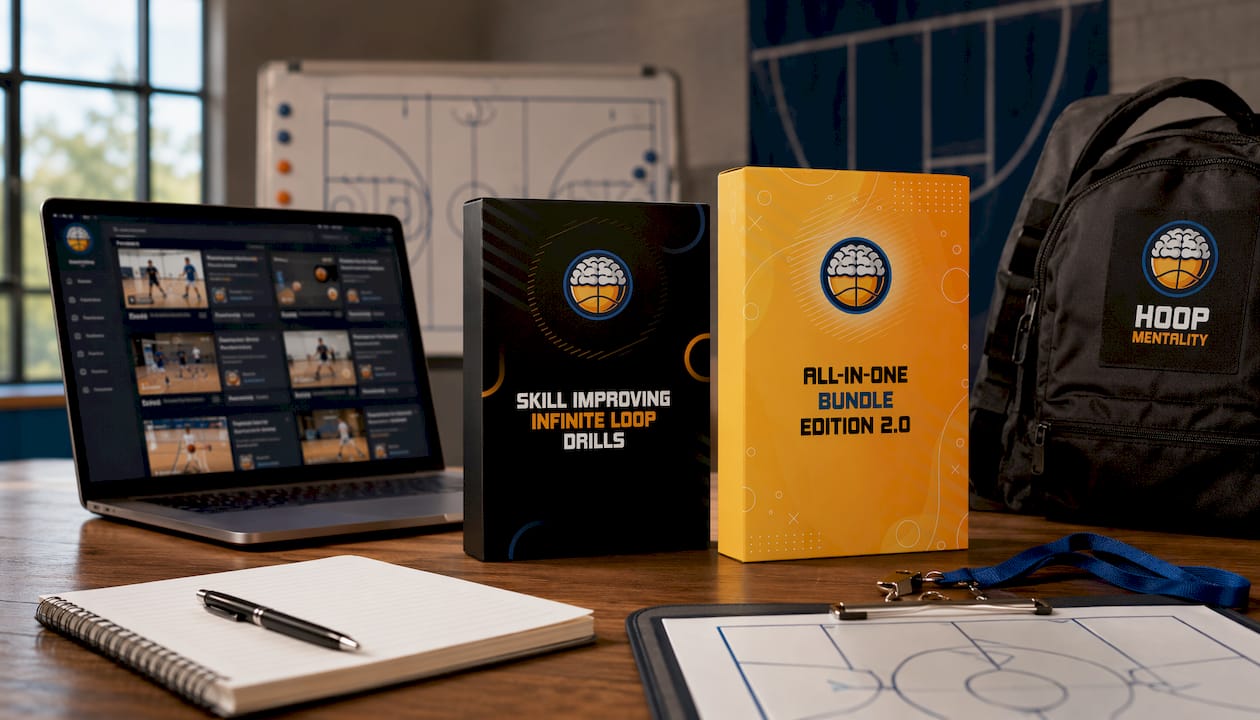
Hoop Mentality’s All-In-One Bundle gives you playbooks, practice plans, scouting templates, and strategy guides built from real coaching experience. Pair it with the Infinite Loop Drills to put clinic-learned skills directly into your next practice.
Key Takeaways
Coaching clinics deliver the most value when format, subject matter, and coaching philosophy all match your current development goals.
| Point | Details |
|---|---|
| Three delivery formats | In-person, virtual, and hybrid clinics each offer distinct trade-offs in access, cost, and interaction. |
| Three core coaching types | Directive, facilitative, and transformative coaching each serve different goals and are taught in most structured clinic programs. |
| Expert-led content matters | Clinics led by coaches with verifiable high-level experience produce more applicable learning than theory-only programs. |
| On-demand access extends value | Post-clinic video access significantly boosts how much coaches apply during the season. |
| Certification outcomes vary | Accredited programs require structured classroom and practical participation before awarding credentials. |
FAQ
What are the three main types of coaching?
The three main coaching types are directive (skill transfer and instruction), facilitative (guided self-discovery through questioning), and transformative (shifting identity and core beliefs). Most coaching clinics address all three, with emphasis varying by the clinic’s focus and audience level.
What is the difference between in-person and virtual coaching clinics?
In-person clinics offer live demonstrations, direct feedback, and peer networking, while virtual clinics provide flexible access from any location. Hybrid formats combine both, delivering foundational content online and concentrated practice sessions in person.
How long do coaching clinics typically last?
Clinics range from 1-day intensives to multi-day immersive programs, with many professional workshops delivering about 15 hours of content across two days. Duration depends on the depth of subject matter and whether certification is included.
Do coaching clinics offer certification?
Many clinics offer certification or continuing education credits, but accredited programs require structured classroom participation and practical components before awarding credentials. Always confirm accreditation details with the clinic provider before registering.
How do I choose the right coaching clinic?
Match the clinic format (in-person, virtual, or hybrid) to your schedule, and match the subject matter to your current coaching gaps. Generalist clinics suit coaches seeking networking and broad exposure; specialized clinics deliver higher tactical return for coaches with a specific skill to develop.