

Over 60 percent of American basketball coaches say that setting clear objectives is the most critical part of successful team selection. When every decision impacts a team’s season, vague player criteria or disorganized tryouts can cost you a winning roster. This guide covers the essential steps for coaches to build a fair, organized, and consistent tryout process that leads to stronger, more cohesive teams.
Table of Contents
- Step 1: Define Tryout Objectives And Player Criteria
- Step 2: Organize Logistics And Prepare Resources
- Step 3: Communicate Expectations To Players
- Step 4: Execute Evaluation Drills And Assessments
- Step 5: Analyze Results And Select Final Roster
Quick Summary
| Key Message | Explanation |
|---|---|
| 1. Define Clear Objectives and Criteria | Establish specific goals and detailed metrics to objectively evaluate players during tryouts. |
| 2. Organize Logistics Thoroughly | Prepare resources, create schedules, and ensure all equipment is ready for a smooth evaluation process. |
| 3. Communicate Expectations Clearly | Hold an orientation to inform players about evaluation criteria, drills, and expectations to reduce anxiety. |
| 4. Implement Diverse Evaluation Drills | Use a range of drills to assess technical and mental skills, adapting to players’ abilities and teamwork. |
| 5. Analyze Results Objectively | Synthesize data from evaluations and consider intangible qualities to make informed roster decisions. |
Step 1: Define Tryout Objectives and Player Criteria
Successful basketball team selection starts with crystal clear objectives and well defined player criteria. Before players step onto the court, coaches need a strategic framework that transforms tryouts from random assessments into precise talent evaluations. Understanding basketball evaluation criteria provides coaches the foundational knowledge to design targeted selection processes.
When establishing tryout objectives, focus on comprehensive player assessment across multiple dimensions. Create a detailed evaluation matrix that covers physical attributes, technical skills, basketball intelligence, and psychological readiness. Your criteria should include specific measurables like speed, vertical jump, shooting accuracy, defensive positioning, court awareness, teamwork indicators, and adaptability to different game scenarios. Break down each category into granular metrics you can objectively observe and score during tryout sessions.
Your evaluation approach must balance quantitative measurements with qualitative observations. While statistics provide objective data, watching players interact, respond to coaching instructions, and handle game pressure reveals critical insights into their potential. Document everything meticulously using standardized assessment forms that allow consistent scoring across all candidates.
Pro tip: Create a weighted scoring system where different skills receive varying importance based on your team’s specific strategic needs. This approach ensures you select players who genuinely complement your team’s playing style and long term development goals.
Here’s a summary of key criteria for evaluating basketball players during tryouts:
| Evaluation Dimension | Example Metrics | What It Reveals |
|---|---|---|
| Physical Attributes | Speed, vertical jump | Athletic capability for high tempo play |
| Technical Skills | Shooting accuracy, ball handling | Core basketball proficiency |
| Basketball Intelligence | Court awareness, decision making | Ability to read and react in real time |
| Psychological Readiness | Resilience, adaptability | Mental toughness under pressure |
| Teamwork Indicators | Communication, cooperation | Fit within group and chemistry potential |
Step 2: Organize Logistics and Prepare Resources
Effective basketball tryouts require meticulous planning and comprehensive resource preparation. This crucial stage transforms your tryout from a basic selection process into a professional talent evaluation system. Organizing resources strategically provides the structural foundation for a smooth and efficient tryout experience.
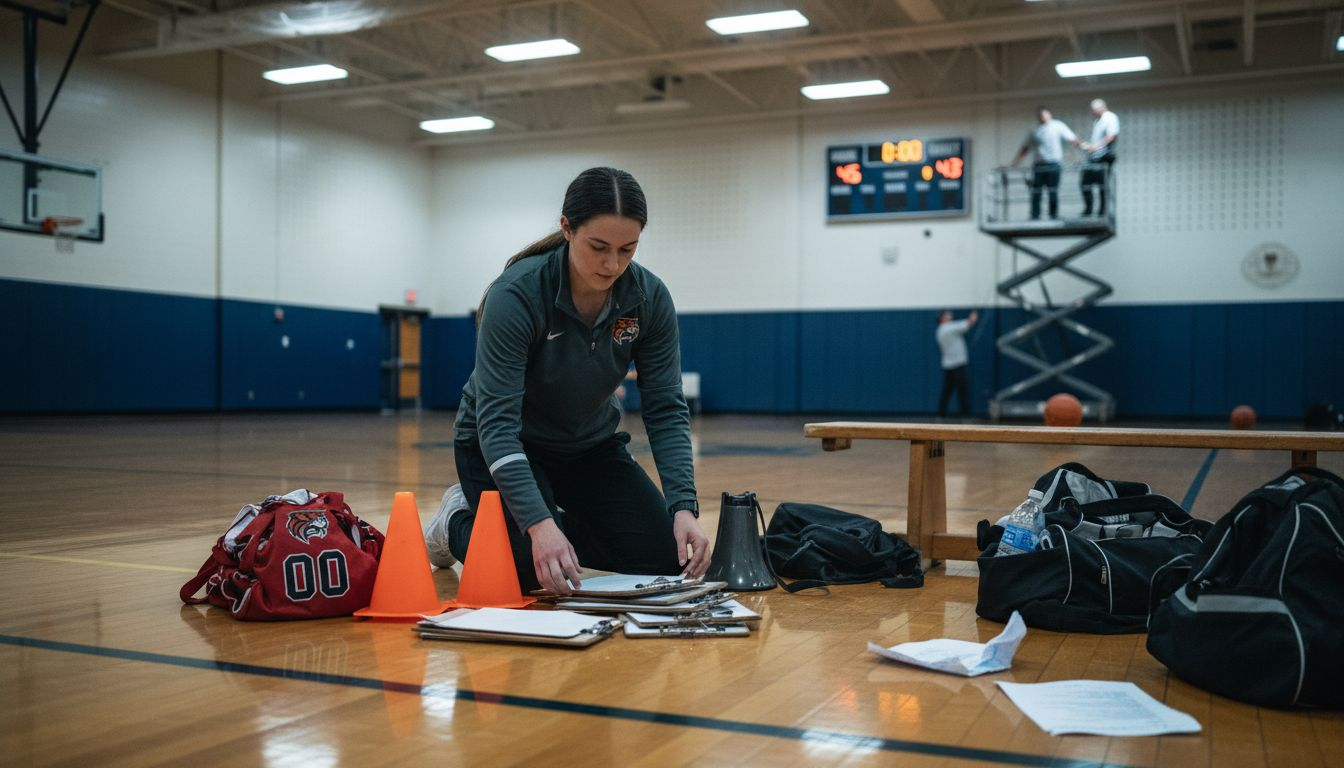
Begin by creating a detailed tryout checklist that covers every logistical aspect. Secure a suitable basketball court with proper markings and adequate space for multiple drill stations. Gather essential equipment like basketballs of regulation size, cones, stopwatches, clipboards, evaluation forms, and recording devices for tracking player performance. Ensure you have sufficient water stations, first aid supplies, and backup equipment to handle potential technical issues or unexpected scenarios.
Develop a comprehensive tryout schedule that breaks down time blocks for different evaluation segments. Plan specific time slots for warm ups, individual skill assessments, group drills, scrimmages, and individual player interviews. Create multiple copies of standardized evaluation forms that allow consistent scoring across all candidates. Consider using digital tools or spreadsheets to help track and analyze player performance data efficiently.
Pro tip: Create a backup plan for potential scheduling conflicts or equipment failures. Having alternate courts reserved and extra equipment on hand can prevent last minute disruptions and demonstrate professional preparedness.
Step 3: Communicate Expectations to Players
Communicating clear expectations is the cornerstone of a successful basketball tryout process. Transparency helps players understand exactly what coaches are looking for and reduces anxiety during the selection process. Clearly communicating performance standards ensures that players can mentally and physically prepare for the challenges ahead.
Begin by hosting a comprehensive orientation session before tryouts start. Outline the specific skills you will be evaluating including technical basketball abilities, physical fitness, teamwork potential, and mental resilience. Coach communication techniques suggest being explicit about the evaluation criteria players will face during different stages of tryouts. Explain the scoring system, the types of drills players will experience, and the specific attributes that will distinguish top performers from those who might not make the team.
Provide written documentation that reinforces your verbal communication. Create a detailed tryout packet that includes the evaluation framework, schedule, required equipment, and any additional information players need to know. This approach eliminates ambiguity and demonstrates professional preparation. Make yourself available for questions and encourage players to seek clarification about any aspect of the tryout process.
Pro tip: Deliver expectations with a balance of challenge and encouragement. Communicate high standards while also creating an environment where players feel motivated to showcase their best abilities.
Step 4: Execute Evaluation Drills and Assessments
Effective basketball tryouts demand a comprehensive and strategic approach to player evaluations. Assessing player capabilities through targeted drills requires careful planning and precise execution to uncover each player’s true potential. The goal is to create a multifaceted evaluation process that reveals not just physical skills but also mental resilience and team compatibility.
Basketball drill selection should cover multiple skill domains. Design assessment stations that test individual technical abilities like shooting accuracy, defensive positioning, ball handling, and passing precision. Include dynamic group drills that reveal players’ communication skills, court awareness, and ability to function within a team structure. Rotate players through different stations to observe their adaptability and performance under varying conditions. Implement both structured drills with specific parameters and open play scenarios that allow players to demonstrate creativity and spontaneous decision making.
Document player performance meticulously using standardized evaluation forms. Create a scoring system that weights different skills proportionally and allows for objective comparison across candidates. Use video recording when possible to review player performances later and validate initial assessments. Pay attention to nuanced details like player attitude, responsiveness to coaching instructions, and energy levels throughout the tryout process.
Pro tip: Design drills that progressively increase in complexity to identify players who can adapt quickly and maintain performance under escalating pressure.
The table below compares common evaluation drill types and their assessment focus:
| Drill Type | Focus Area | Insights Gained |
|---|---|---|
| Shooting Drills | Technique, accuracy | Individual scoring capability |
| Defensive Stations | Footwork, positioning | On-ball and help defense skills |
| Passing Exercises | Precision, teamwork | Decision making and vision |
| Group Scrimmages | Game awareness, teamwork | Real-time adaptability and impact |
Step 5: Analyze Results and Select Final Roster
Selecting the final basketball team roster requires a systematic and objective approach that balances individual player performance with overall team dynamics. Basketball roster management demands careful consideration of multiple evaluation factors beyond raw performance metrics.
Review your comprehensive tryout documentation meticulously. Compare player scores across different assessment categories including technical skills, physical abilities, teamwork potential, and adaptability. Create a weighted scoring system that prioritizes skills most critical to your team strategy. Look beyond numerical rankings to assess intangible qualities like player attitude, coachability, leadership potential, and capacity for growth. Consider how each player might contribute to team chemistry and complement existing team members skill sets.
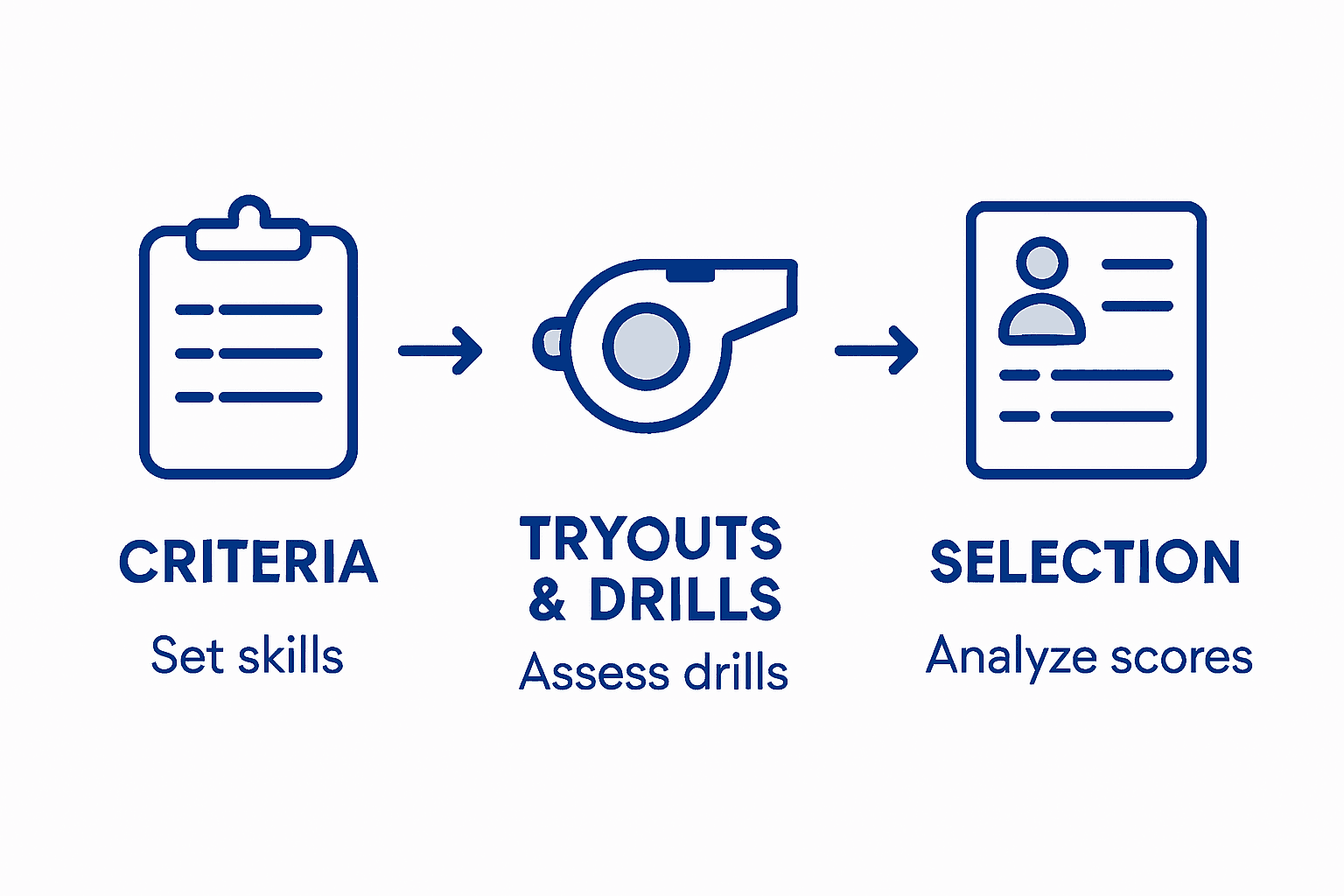
Approach final selections with a strategic perspective. Avoid making decisions based on a single outstanding performance or isolated moments during tryouts. Instead synthesize data from multiple evaluation points including individual drills group exercises scrimmages and personal interactions. Be prepared to have difficult conversations with players who will not make the team providing constructive feedback that supports their future development. Maintain professionalism and respect throughout the selection process ensuring each candidate understands the rationale behind roster decisions.
Pro tip: Create a transparent selection framework that allows players to understand exactly how roster decisions are made minimizing potential conflicts and maintaining trust in your coaching process.
Elevate Your Basketball Tryouts with Professional Coaching Resources
Conducting effective basketball tryouts means overcoming challenges like defining clear evaluation criteria, organizing smooth logistics, and accurately assessing player potential under pressure. This article highlights the importance of strategic drills, objective scoring systems, and transparent communication to select the right team members while fostering motivation and trust.
To tackle these challenges with confidence and precision, explore our vast collection of Basketball Templates and Basketball Drills designed by experienced coaches who understand your needs. These tools simplify organizing evaluations, streamline performance tracking, and encourage consistent player development from tryouts through the season.

Take control of your next team selection and save time planning your tryouts today. Visit Hoop Mentality now to access easy to use, proven resources that put structure and clarity into every coaching session and help you build winning teams.
Frequently Asked Questions
What should I define before starting tryouts for effective team selection?
To conduct effective tryouts, start by defining clear objectives and player criteria. Create an evaluation matrix that includes physical attributes, technical skills, basketball intelligence, and psychological readiness.
How can I organize logistics for basketball tryouts?
Organize logistics by creating a detailed tryout checklist that covers all essentials, such as securing a basketball court, gathering necessary equipment, and developing a comprehensive schedule. Plan specific time blocks for skill assessments, drills, and scrimmages to ensure a smooth process.
What expectations should I communicate to players before tryouts?
Communicate clear expectations about the skills being evaluated, the scoring system, and the types of drills players will experience. Hold an orientation session to explain this information and provide written documentation to reinforce your message.
How should I execute evaluation drills during tryouts?
Execute evaluation drills by designing assessment stations that test various skill domains, such as shooting accuracy and defensive positioning. Rotate players through different drills to observe their performance and adaptability under varying conditions.
What is the best way to analyze results and select the final roster?
Analyze results by reviewing all evaluation documentation and comparing player scores across different categories. Use a weighted scoring system that prioritizes skills crucial to your team’s strategy and also consider intangible qualities like player attitude and coachability.
How can I ensure players understand how selections are made?
Create a transparent selection framework that outlines how roster decisions are made, including the evaluation criteria used. This helps minimize conflicts and maintains trust in your coaching process.
Recommended
- Build a Basketball Team: Step-by-Step Guide for Coaches – Hoop Mentality
- Understanding Basketball Evaluation Criteria for Coaches – Hoop Mentality
- 7 Key Elements of a Basketball Scouting Checklist – Hoop Mentality
- 7 Best Team Building Activities for Basketball Coaches – Hoop Mentality
- The Essentials of Making a Cricket Bat With Artistry – Cricket Bats Com
- Betting Trends Analysis Process for Profitable Wagers