

Bold moves on the court can mean little without a strong basketball culture driving true team unity. For coaches leading high school programs in countries from the United States to Australia, understanding the many layers of basketball culture goes far beyond teaching skills. The sport shapes identity, communication, and collaboration, making it a global force for personal growth and teamwork. Discover core elements and practical insights that help you build resilient, connected teams set up for long-term success.
Table of Contents
- Core Definition And Elements Of Basketball Culture
- Types Of Team Cultures In Basketball
- Key Values That Shape Basketball Environments
- Role Of Coaches In Building Culture
- Pitfalls And Common Misconceptions To Avoid
Key Takeaways
| Point | Details |
|---|---|
| Basketball Culture | Represents a social ecosystem influencing player identity and team dynamics while fostering personal growth and cultural expression. |
| Team Culture Types | Basketball teams exhibit various cultures, including Hierarchical, Collaborative, Performance-Driven, Player-Centered, and Adaptive, each with unique strengths and challenges. |
| Core Values | Successful basketball programs emphasize teamwork, accountability, respect, resilience, and continuous improvement as fundamental building blocks for player development. |
| Coaching Role | Coaches act as architects of team culture, responsible for setting expectations, modeling values, and fostering an environment conducive to open communication and growth. |
Core Definition And Elements Of Basketball Culture
Basketball culture transcends mere athletic performance, representing a complex social ecosystem that shapes player identity, team dynamics, and community interactions. Exploring sociocultural dimensions reveals basketball as more than a game - it’s a powerful medium of cultural expression and personal development.
At its core, basketball culture comprises several fundamental elements that define its unique character:
- Communication: Verbal and non-verbal interactions that build team cohesion
- Style of Play: Individual and collective approaches reflecting cultural backgrounds
- Fashion and Aesthetic: Uniforms, gear, and personal presentation as cultural statements
- Psychological Dynamics: Mental frameworks of teamwork, competition, and resilience
The sport’s cultural significance extends beyond physical skills. Basketball develops holistic human capabilities, integrating technical proficiency with psychological growth. Global sports research emphasizes how basketball cultivates leadership, teamwork, and personal discipline through structured athletic experiences.
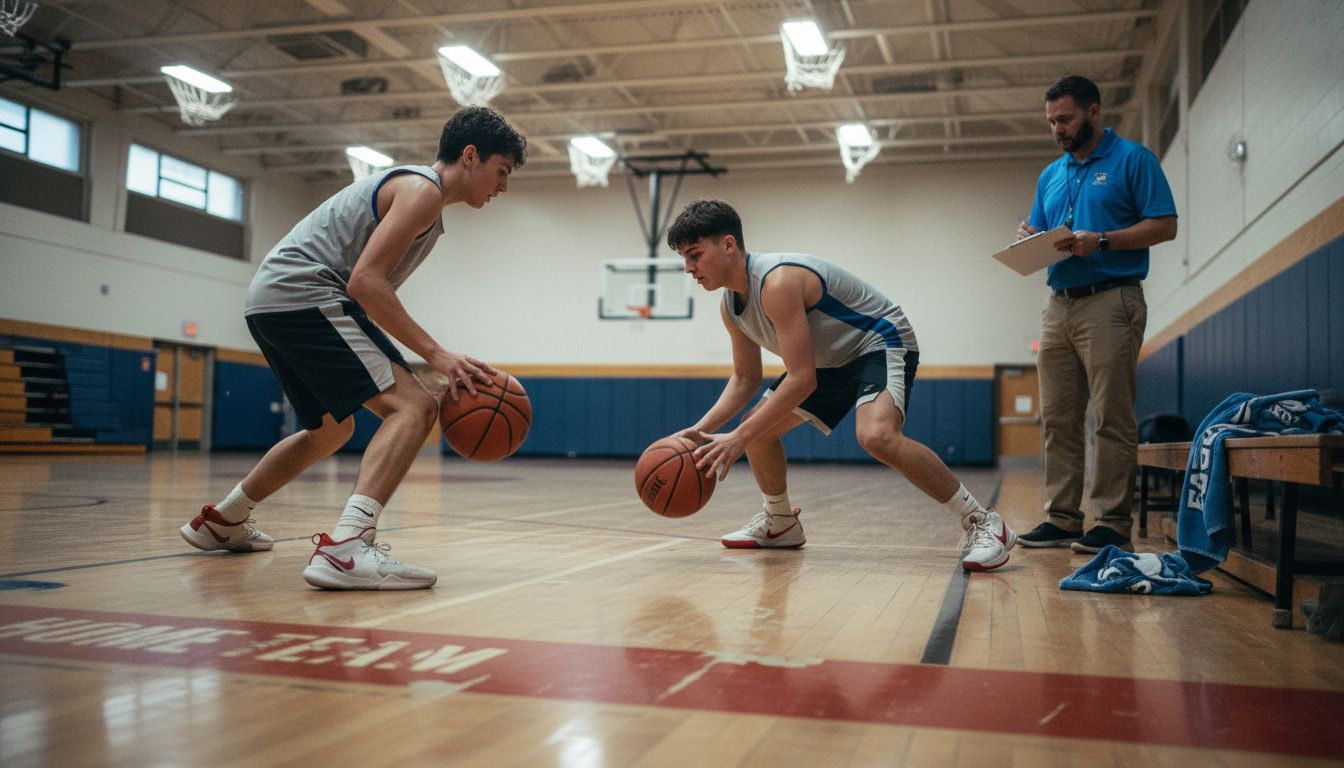
Team unity emerges as a critical outcome of basketball culture. Players learn to synchronize individual talents into collective performance, creating a microcosm of collaborative human potential. The culture demands mutual respect, shared goals, and a commitment to continuous improvement that transcends the basketball court.
Pro tip: Coaches can strengthen basketball culture by creating intentional spaces for team bonding, open communication, and collective goal-setting beyond traditional practice routines.
Types Of Team Cultures In Basketball
Basketball team cultures represent complex social systems that profoundly influence performance, player development, and overall team success. Psychological team dynamics research reveals multiple distinct cultural archetypes that shape how teams interact, communicate, and pursue collective goals.
These team cultures can be broadly categorized into several key types:
- Hierarchical Culture: Structured around clear leadership and traditional coaching models
- Collaborative Culture: Emphasizing shared decision-making and collective accountability
- Performance-Driven Culture: Focused exclusively on achievement and measurable outcomes
- Player-Centered Culture: Prioritizing individual player growth and holistic development
- Adaptive Culture: Capable of rapidly adjusting strategies and interpersonal dynamics
Team communication patterns play a critical role in determining the effectiveness of these cultural frameworks. Successful teams recognize that culture is not static but requires continuous refinement and intentional cultivation.
Each team culture type carries unique strengths and potential limitations. Hierarchical cultures might provide clear direction but risk stifling creativity, while collaborative cultures can enhance player engagement but potentially compromise quick decision-making. The most effective basketball programs learn to blend elements from different cultural models, creating flexible environments that adapt to changing team dynamics and individual player needs.
Here is a summary comparing key types of basketball team cultures and their primary characteristics:
| Culture Type | Leadership Approach | Strength | Possible Challenge |
|---|---|---|---|
| Hierarchical | Centralized decision-making | Clear direction for team | May limit creativity |
| Collaborative | Shared leadership | Increases player engagement | Slower decision process |
| Performance-Driven | Outcome-focused | Drives measurable achievements | Can create stress or burnout |
| Player-Centered | Individual growth emphasis | Fosters holistic development | May reduce team-first mentality |
| Adaptive | Flexible, adjusts strategies | Responds well to change | Can lack stability if overused |
Pro tip: Coaches should regularly assess their team’s cultural characteristics and be willing to adjust their leadership approach to maintain a healthy, dynamic team environment.
Key Values That Shape Basketball Environments
Basketball environments are powerful ecosystems that transcend athletic performance, cultivating deep personal and collective values through structured interactions. Youth development research reveals basketball as a transformative platform for building critical life skills and character attributes.
The fundamental values that define basketball environments include:
- Teamwork: Prioritizing collective achievement over individual glory
- Accountability: Taking responsibility for personal and team performance
- Respect: Valuing teammates, coaches, opponents, and game officials
- Resilience: Developing mental toughness and emotional regulation
- Continuous Improvement: Commitment to ongoing personal and collective growth
These core values serve as fundamental building blocks that shape player interactions, team dynamics, and overall competitive spirit. Successful basketball programs understand that technical skills are only one dimension of player development, with character formation being equally critical.
Integrating these values requires deliberate, consistent effort from coaches and team leaders. Basketball environments become laboratories for personal growth, teaching young athletes crucial life lessons about communication, discipline, and collaborative problem-solving. The most effective programs view basketball not just as a sport, but as a comprehensive platform for holistic human development.
Pro tip: Create regular team reflection sessions where players can discuss how these core values manifest in their personal and collective experiences.
Role Of Coaches In Building Culture
Basketball coaches are architects of team culture, responsible for transforming individual talents into collective success. Coach education research reveals their critical role in developing not just athletic skills, but holistic player development through strategic leadership and mentorship.
The key responsibilities of coaches in building team culture include:
- Setting Clear Expectations: Establishing consistent standards of behavior and performance
- Modeling Desired Values: Demonstrating the cultural principles through personal conduct
- Creating Psychological Safety: Developing an environment where players feel supported and can take risks
- Facilitating Communication: Promoting open, honest dialogue among team members
- Developing Individual Potential: Recognizing and nurturing each player’s unique strengths
Competitive basketball leadership emphasizes that coaches must go beyond technical instruction. Successful team cultures emerge from intentional, consistent efforts to align individual player motivations with collective team goals, creating a unified sense of purpose.

Building team culture requires a multifaceted approach that balances technical skill development with emotional intelligence. Coaches must be part strategist, part mentor, and part motivator, creating an environment that transforms players not just as athletes, but as collaborative, resilient individuals prepared for challenges both on and off the basketball court.
The table below outlines the different roles coaches play in cultivating a positive basketball culture:
| Coach Role | Purpose | Impact on Team |
|---|---|---|
| Expectations Setter | Defines standards and behaviors | Creates clarity and structure |
| Values Modeler | Demonstrates core principles | Inspires player buy-in |
| Safety Creator | Fosters trust and openness | Encourages risk-taking |
| Communication Facilitator | Enables honest conversations | Prevents conflict escalation |
| Talent Developer | Cultivates individual strengths | Boosts team performance |
Pro tip: Develop a team mission statement collaboratively, ensuring every player feels personally invested in the team’s shared vision and values.
Pitfalls And Common Misconceptions To Avoid
Basketball culture is often misunderstood, with many dangerous myths that can derail team development and individual growth. Media-driven narratives frequently distort the true essence of basketball, prioritizing spectacle over substance and undermining the sport’s deeper values.
Critical misconceptions that teams and coaches must actively avoid include:
- Glorifying Individual Highlights: Overemphasizing flashy plays instead of fundamental skill development
- Toxic Competitiveness: Mistaking aggressive behavior for true competitive spirit
- Stereotyping Player Roles: Limiting players to predetermined positions or capabilities
- Ignoring Emotional Intelligence: Treating basketball as purely physical performance
- Superficial Team Unity: Confusing surface-level camaraderie with genuine team connection
Sociocultural basketball research reveals that systemic misconceptions can profoundly impact player development and team dynamics. These myths often emerge from oversimplified narratives that ignore the complex social and psychological dimensions of basketball culture.
Successful programs recognize that basketball is more than a game - it’s a comprehensive platform for personal and collective growth. Coaches and players must continuously challenge prevailing assumptions, creating environments that value authentic skill development, mutual respect, and holistic human potential over superficial performance metrics.
Pro tip: Regularly conduct team discussions that critically examine and deconstruct prevalent basketball myths, encouraging players to develop nuanced, reflective perspectives.
Build a Winning Team Culture with Proven Coaching Tools
The article highlights the critical challenge of creating and sustaining a strong basketball culture that fosters team unity, communication, and holistic player development. You understand how vital it is to move beyond surface-level camaraderie and build shared values like accountability, resilience, and continuous improvement. To achieve this, coaches need structured resources that simplify practice planning and enhance player engagement through clear expectations and consistent communication.
Hoop Mentality offers a comprehensive selection of professionally developed coaching aids designed to help you build exactly that culture. Explore our Basketball Drills for engaging, practice-ready exercises that improve teamwork and skills. Use our Basketball Templates to organize your practice plans and player tracking efficiently. Our complete platform at Hoop Mentality empowers you to align individual development with collective goals, fostering an adaptive and resilient team environment.

Ready to elevate your team’s culture and unity with proven coaching solutions? Visit Hoop Mentality now and start transforming your basketball program with tools that will save time, improve communication, and help your players develop on and off the court.
Frequently Asked Questions
What is basketball culture?
Basketball culture encompasses the social, psychological, and emotional aspects that shape player identity, team dynamics, and community interactions within the sport. It goes beyond athletic performance to include communication, style of play, fashion, and psychological elements.
How does basketball culture impact team unity?
Basketball culture fosters team unity by promoting mutual respect, shared goals, and a commitment to collective improvement. It encourages players to blend their individual talents into a cohesive team performance, creating strong bonds and collaboration among teammates.
What are the key values that shape basketball environments?
Key values in basketball environments include teamwork, accountability, respect, resilience, and a commitment to continuous improvement. These values play a crucial role in defining player interactions, team dynamics, and the competitive spirit of the program.
What role do coaches play in building basketball culture?
Coaches are vital in shaping basketball culture by setting clear expectations, modeling desired values, creating psychological safety for players, facilitating communication, and developing individual potential. Their leadership style significantly influences team dynamics and overall success.
Recommended
- Basketball Leadership Guide: Build Strong Team Culture – Hoop Mentality
- Basketball Team Dynamics: Building Cohesion For Success – Hoop Mentality
- How to Develop Team Chemistry for Basketball Success – Hoop Mentality
- 7 Essential Basketball Teamwork Tips for Youth Coaches – Hoop Mentality
- Steph Curry Thinks NBA Players ‘Underpaid’ - Womanedit.com