

Most american youth basketball teams stumble not for lack of talent but because about 60 percent of their struggles stem from weak team dynamics and communication gaps. Every coach wants players who trust each other and move with unity on the court, yet myths around building true chemistry still persist. This article cuts through the confusion, offering practical insights to help coaches spark better conversations, clarify roles, and nurture authentic connection—ultimately creating teams that perform beyond individual skill.
Table of Contents
- Defining Basketball Team Dynamics And Misconceptions
- Communication Styles And Conflict Resolution Techniques
- Leadership Roles And Player Responsibilities
- Building Trust And Cohesion In Teams
- Addressing Common Challenges And Pitfalls
Key Takeaways
| Point | Details |
|---|---|
| Team Dynamics Are Crucial | Successful basketball teams require strong dynamics, characterized by trust, clear communication, and shared goals. These elements are more important than just individual talent. |
| Effective Communication Is Essential | Teams should foster clear verbal and non-verbal communication, ensuring all players understand each other’s roles and concerns. Regular workshops can enhance these skills. |
| Leadership Needs to Be Multifaceted | Coaches should promote diverse leadership roles within the team, allowing players to contribute based on their strengths and enhancing overall performance. |
| Trust and Cohesion Must Be Cultivated | Building trust and team cohesion involves proactive investment in interpersonal relationships and creating a psychologically safe environment for players. |
Defining Basketball Team Dynamics and Misconceptions
Basketball team dynamics represent the complex psychological and social interactions that determine a team’s collective performance and success. Unlike simplistic views that focus solely on individual talent, contemporary research models team dynamics as intricate networks of communication, trust, and shared purpose.
At its core, team dynamics involve how players interact, communicate, and coordinate their efforts to achieve common goals. Research demonstrates that successful teams are not just collections of talented individuals, but integrated systems where players understand their roles, trust each other, and move with collective intentionality. Offensive role clustering reveals how player behaviors impact team efficiency, highlighting that team chemistry is more than mere talent alignment.
Common misconceptions about basketball team dynamics often revolve around oversimplified narratives. Many coaches and players mistakenly believe that assembling the most skilled players guarantees success. However, psychological research consistently shows that factors like shared leadership, clear communication protocols, and mutual trust are far more predictive of team performance than individual statistics.
Pro tip: Focus on building trust and clear communication channels during practice sessions, treating team dynamics as a skill to be deliberately developed, not just an automatic outcome.
Here’s a summary of key factors distinguishing highly effective basketball teams:
| Key Factor | Impact on Team Performance | Example Action |
|---|---|---|
| Trust | Enhances cooperation and resilience | Hold regular feedback sessions |
| Communication Clarity | Reduces errors and misalignment | Use pre-game strategy meetings |
| Shared Purpose | Boosts motivation and focus | Set collective team goals |
| Psychological Safety | Encourages risk-taking and honesty | Emphasize learning from mistakes |
Communication Styles and Conflict Resolution Techniques
Effective communication is the backbone of successful basketball team dynamics. Team psychology research highlights that communication styles directly impact a team’s ability to manage stress, resolve conflicts, and maintain high performance under pressure. Coaches and players must understand that communication is not just about conveying information, but creating a shared understanding and emotional connection.
Verbal and Non-Verbal Communication play crucial roles in team interactions. Verbal communication includes clear instructions, strategic discussions, and constructive feedback. Non-verbal communication - body language, facial expressions, and tone - often communicates more powerfully than words. Players who can read and respond to these subtle cues create more responsive and adaptive team environments.
Conflict resolution requires a proactive and empathetic approach. Successful teams develop structured methods for addressing disagreements, focusing on collaborative problem solving rather than confrontation. This means creating safe spaces for players to express concerns, actively listening without judgment, and finding solutions that respect individual perspectives while maintaining team goals. Emotional intelligence becomes a critical skill, enabling players to navigate complex interpersonal dynamics with maturity and mutual respect.
Pro tip: Implement weekly team communication workshops where players practice active listening, learn to give and receive constructive feedback, and develop strategies for managing interpersonal tensions effectively.
Leadership Roles and Player Responsibilities
Multidimensional leadership strategies are critical in shaping basketball team performance. Coaches must recognize that effective leadership goes beyond traditional top-down management, involving a nuanced approach to identifying individual player strengths and creating a cohesive team structure. The most successful teams develop leadership models that allow players to contribute based on their unique skills and potential.
Team Leadership encompasses multiple layers of responsibility. While the head coach provides overall strategic direction, player leaders emerge through different roles - the vocal motivator, the technical expert, the emotional anchor, and the strategic problem solver. Each player brings a distinct leadership profile that contributes to the team’s collective effectiveness. Recognizing and nurturing these diverse leadership capabilities allows teams to create more dynamic and adaptable performance environments.
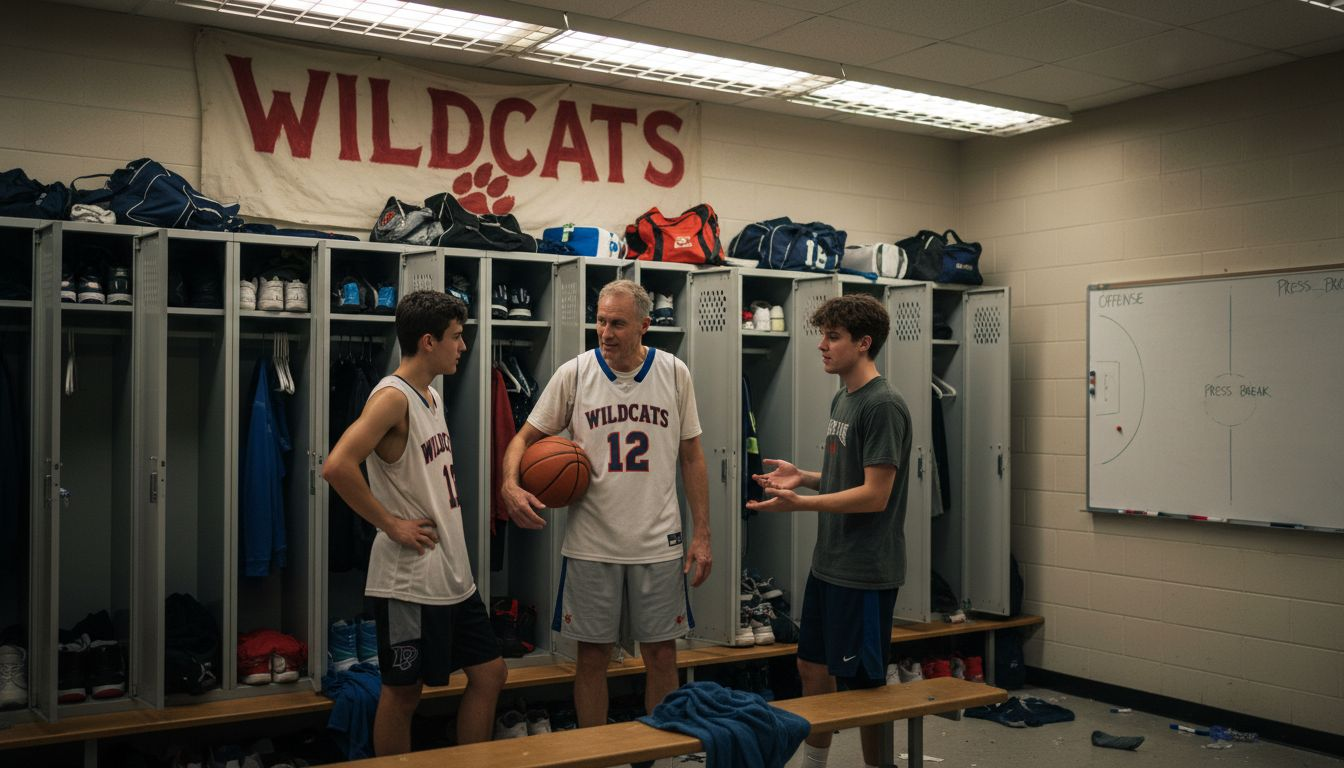
Player responsibilities extend far beyond individual athletic performance. Each team member must understand their specific role, communicate effectively, support teammates, and maintain a commitment to collective goals. This means developing skills like accountability, active listening, strategic thinking, and emotional intelligence. High-performing teams create clear expectations for each player’s responsibilities, ensuring that individual contributions align with broader team objectives.
Pro tip: Conduct monthly leadership development sessions where players rotate through different team leadership roles, allowing them to understand and appreciate the complexities of team dynamics and leadership responsibilities.
Building Trust and Cohesion in Teams
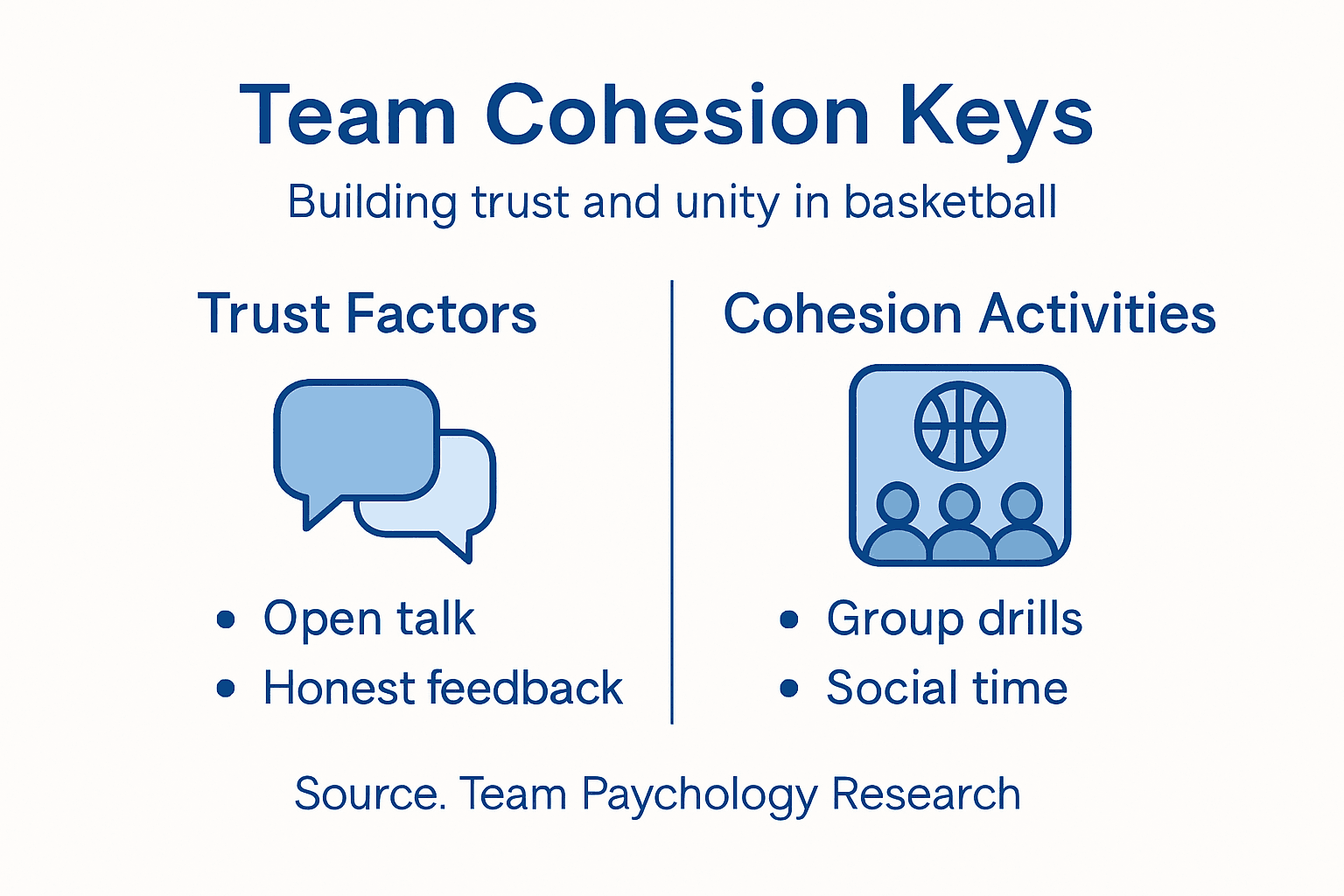
Trust and team cohesion are foundational elements that transform a group of individual players into a unified, high-performing basketball team. Trust emerges through consistent interactions, shared experiences, and a commitment to mutual support. Successful teams recognize that cohesion is not a passive outcome but an active process requiring deliberate cultivation and ongoing investment in interpersonal relationships.
Psychological Safety plays a critical role in building team trust. Players must feel comfortable expressing vulnerabilities, offering feedback, and taking calculated risks without fear of ridicule or retribution. This means creating an environment where mistakes are viewed as learning opportunities, and individual differences are respected. Teams that prioritize psychological safety develop more open communication, faster problem-solving capabilities, and greater resilience when facing competitive challenges.
Cohesion develops through structured and informal interactions that go beyond formal practice sessions. Team-building activities, shared meals, collaborative goal-setting, and off-court social experiences help players understand each other’s personal narratives, motivations, and emotional landscapes. By investing time in understanding individual team members’ backgrounds, strengths, and potential vulnerabilities, coaches can design more nuanced strategies that leverage each player’s unique contributions.
Pro tip: Implement monthly team reflection sessions where players openly discuss team dynamics, share personal challenges, and collaboratively develop strategies to strengthen mutual understanding and trust.
Addressing Common Challenges and Pitfalls
Team psychology challenges represent complex intersections of individual personalities, competitive pressures, and collective performance expectations. Basketball teams frequently encounter predictable obstacles that can derail their potential if not addressed proactively and strategically. Understanding these challenges provides coaches and players with critical insights for maintaining team cohesion and competitive effectiveness.
Communication Breakdowns represent one of the most significant team performance impediments. Players often struggle with expressing concerns, sharing feedback, and navigating interpersonal tensions. These communication challenges manifest through unspoken frustrations, passive-aggressive behaviors, and misaligned expectations. Successful teams develop structured communication protocols that create safe spaces for honest dialogue, ensuring that individual perspectives are heard and integrated into collective strategies.
Emotional intelligence becomes a crucial skill in managing team dynamics. Players must learn to recognize and manage their own emotional responses while simultaneously understanding and supporting teammates’ emotional landscapes. This requires developing empathy, practicing active listening, and creating team cultures that value vulnerability and mutual respect. High-performing teams transform potential conflicts into opportunities for growth, using challenges as catalysts for deeper understanding and stronger collective bonds.
Compare common team communication challenges and effective solutions:
| Challenge | Description | Solution Example |
|---|---|---|
| Misunderstood Roles | Unclear individual responsibilities | Assign specific game tasks |
| Unresolved Conflicts | Personal issues disrupt performance | Mediation by third party coach |
| Emotional Outbursts | Stress leads to reactive behavior | Tactical timeouts for regrouping |
| Passive Listening | Lack of engagement in team dialogue | Active listening skill workshops |
Pro tip: Implement a weekly team meeting where players can openly discuss interpersonal challenges, share constructive feedback, and collaboratively develop solutions that strengthen team unity.
Strengthen Your Basketball Team Dynamics with Proven Tools
Building trust, clear communication, and strong leadership are essential challenges every coach faces when aiming to create a cohesive basketball team. This article highlights the importance of psychological safety and role clarity as key drivers for team success. If you want to move beyond theory and put these concepts into action, Hoop Mentality offers a powerful collection of resources specifically designed to support coaches in developing these critical team dynamics.
Explore Basketball Drills - Hoop Mentality to practice communication and conflict resolution exercises with your players. Use our Basketball Templates - Hoop Mentality to clearly define player roles and leadership responsibilities. These tools will help you save time while fostering trust and cohesion in your team.

Take the next step to build true team chemistry today. Visit Hoop Mentality now and empower your coaching with practical, easy-to-implement solutions that turn individual talent into a unified winning team.
Frequently Asked Questions
What are the key factors that improve basketball team dynamics?
Successful basketball team dynamics are influenced by trust, clear communication, shared purpose, and psychological safety. Building these elements fosters cooperation, reduces errors, and enhances team performance.
How can coaches enhance communication among team members?
Coaches can enhance communication by implementing regular feedback sessions, conducting pre-game strategy meetings, and organizing weekly team communication workshops that focus on active listening and constructive feedback.
Why is psychological safety important in a basketball team?
Psychological safety allows players to express vulnerabilities, offer feedback, and take risks without fear. This encourages open communication, quicker problem-solving, and resilience, which are crucial for maintaining team cohesion and performance.
What leadership strategies should coaches consider for effective team dynamics?
Coaches should adopt multidimensional leadership strategies that recognize individual player strengths. Encouraging players to take on various leadership roles helps them appreciate team dynamics and fosters a more adaptable team environment.