

Every American basketball fan recognizes the excitement that comes when a game is decided by just a few critical moments. Special situations in basketball hold the power to shift momentum and determine who walks away with the win. With over 60 percent of close games decided during high-pressure scenarios, understanding these moments sets excellent teams apart. This guide uncovers how coaches and players can master strategic responses and sharpen performance when the stakes are highest.
Table of Contents
- Defining Special Situations In Basketball
- Key Types: Inbounds, Late-Game, And Fouls
- Core Strategies For Effective Execution
- Common Coach Responsibilities And Pitfalls
- Maximizing Impact Through Scouting And Practice
Key Takeaways
| Point | Details |
|---|---|
| Understand Special Situations | Coaches should develop strategies for critical moments like inbounds plays and late-game scenarios that can drastically change game dynamics. |
| Emphasize Practice and Preparation | Consistent simulation of high-pressure scenarios in training builds player confidence and readiness for real-game situations. |
| Focus on Communication | Establishing clear, concise communication methods is essential for quick adjustments and maintaining team cohesion during tense moments. |
| Scout and Analyze Opponents | Developing detailed profiles of opponents enhances the ability to anticipate their responses in special situations, allowing for better tactical planning. |
Defining Special Situations in Basketball
In basketball, special situations represent critical gameplay moments that require specific strategic responses and precise execution. These scenarios emerge when standard play patterns break down and coaches must make rapid, calculated decisions that can dramatically influence game outcomes. Official basketball rules recognize these moments as complex instances involving multiple potential infractions during game clock stoppages.
Special situations typically encompass several high-stakes scenarios that test a team’s preparedness and tactical flexibility. These include end-of-game possessions, last-second shot opportunities, critical defensive stands, inbound plays under defensive pressure, and moments requiring specialized personnel substitutions. Each scenario demands unique tactical approaches and split-second decision-making from both coaches and players.
The complexity of special situations stems from their unpredictability and potential to transform game momentum. Coaches must develop comprehensive strategies that account for various potential outcomes, player strengths, opponent tendencies, and clock management considerations. Effective preparation involves extensive practice, mental rehearsal, and creating adaptable game plans that allow players to execute under intense pressure.
Pro Tip - Situational Mastery: Develop a comprehensive situational playbook that covers multiple game scenarios, focusing on clear, concise communication and predetermined role assignments for each player during high-stakes moments.
Coaching Strategy: Practice special situation scenarios repeatedly during training sessions, simulating game-like pressure and time constraints to build player confidence and muscle memory.
Key Types: Inbounds, Late-Game, and Fouls
Basketball coaches must master three critical special situations that can dramatically influence game outcomes: inbounds plays, late-game scenarios, and strategic foul management. Official foul regulations provide comprehensive guidelines for understanding these complex gameplay moments, highlighting the nuanced decision-making required in high-pressure basketball environments.
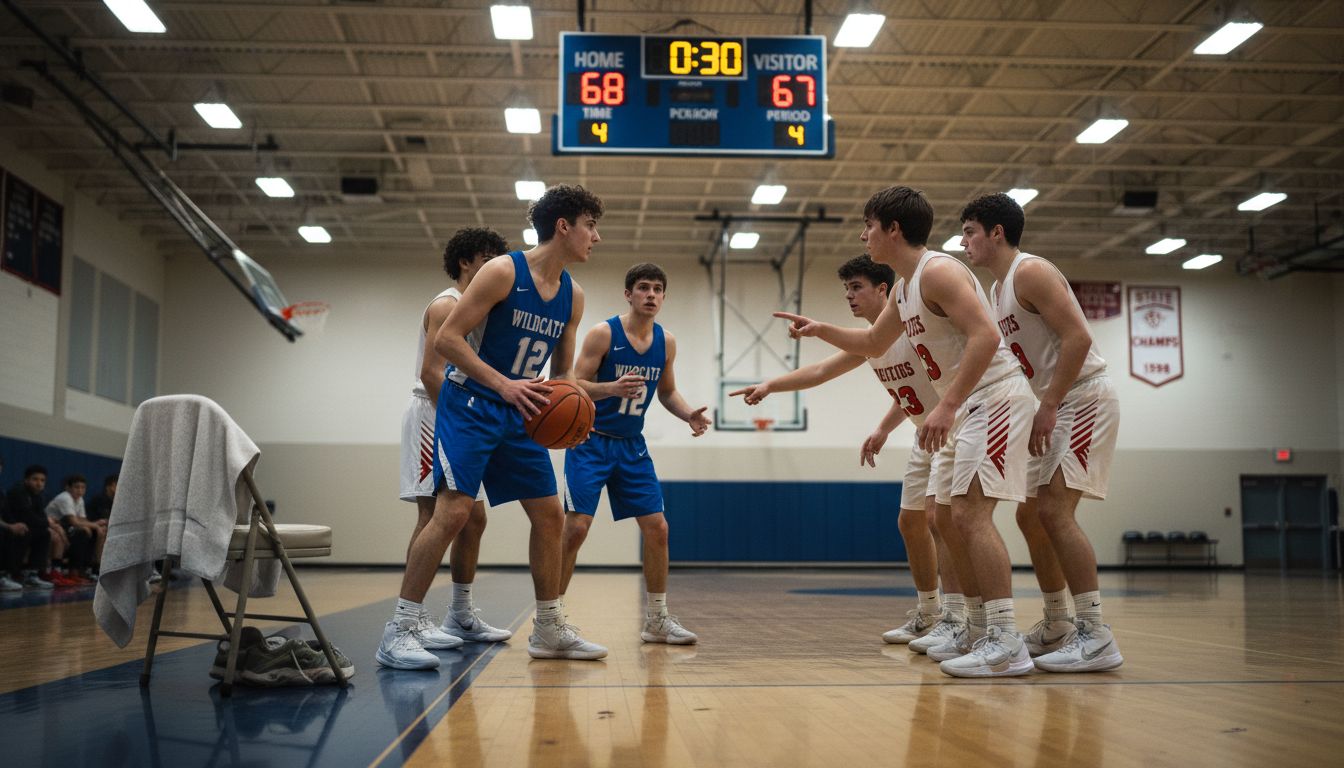
Inbounds plays represent a crucial subset of special situations, where teams must navigate defensive pressure and create scoring opportunities from a stationary position. These scenarios demand precise player positioning, quick decision-making, and predetermined strategic routes that can catch opponents off-guard. Coaches typically develop multiple inbounds strategies for different court locations and defensive configurations, allowing teams to maintain offensive momentum even under intense pressure.
Late-game situations introduce additional complexity, requiring teams to balance clock management, score differential, and tactical risk. Coaches must make split-second decisions about whether to attempt high-percentage shots, draw fouls, or implement defensive strategies that maximize their probability of winning. Foul management becomes particularly critical during these moments, as each personal or technical foul can significantly alter game dynamics and potential outcomes.
Pro Tip - Strategic Adaptability: Develop a comprehensive situational playbook that includes at least three distinct approaches for each special situation, allowing players to quickly adapt to changing game conditions.
Coaching Strategy: Regularly simulate special situation scenarios during practice, creating high-pressure environments that build player confidence and muscle memory for critical game moments.
Here’s how the main special situations in basketball differ in focus and required skills:
| Situation Type | Key Focus | Required Skills | Common Outcome |
|---|---|---|---|
| Inbounds Plays | Quick scoring setup | Fast decision making, precision passing | Secure possession, score chance |
| Late-Game Moments | Clock management | Composure, tactical awareness | Game outcome determined |
| Foul Management | Control player fouls | Substitution, defensive tactics | Limit opponent scoring |
Core Strategies for Effective Execution
Successful management of special situations in basketball requires coaches to develop a systematic approach grounded in comprehensive preparation and strategic flexibility. Official basketball rules emphasize the importance of understanding procedural nuances that can dramatically impact game outcomes, highlighting the need for meticulous tactical planning.
Effective execution hinges on three fundamental strategic pillars: anticipation, communication, and adaptability. Anticipation involves preparing players to recognize potential scenarios before they unfold, enabling them to react with split-second precision. Mental preparation becomes as crucial as physical training, with coaches developing comprehensive scenario playbooks that outline specific responsibilities for each player during high-pressure moments. Teams that excel in special situations typically invest significant practice time in simulating complex game scenarios, building muscle memory and collective tactical awareness.
Communication emerges as a critical component of special situation strategy, requiring players to develop a shared language of verbal and non-verbal cues that transcend standard play patterns. Coaches must establish clear, concise communication protocols that allow instant strategic shifts without disrupting game flow. This involves developing shorthand signals, understanding individual player strengths, and creating flexible frameworks that can be quickly adjusted based on immediate game conditions.
Pro Tip - Scenario Mastery: Create a tiered practice system that progressively increases scenario complexity, challenging players to adapt to increasingly sophisticated game situations.
Coaching Strategy: Develop a dynamic playbook that provides multiple strategic options for each special situation, emphasizing player understanding over rigid memorization.
Common Coach Responsibilities and Pitfalls
Effective special situation management requires coaches to navigate a complex landscape of strategic decision-making and team leadership. Official basketball rules explicitly outline the critical responsibilities coaches must fulfill during high-pressure moments, emphasizing the delicate balance between tactical execution and team management.
The primary responsibilities of coaches during special situations include maintaining emotional composure, making rapid strategic adjustments, and providing clear communication pathways for players. Emotional regulation becomes paramount, as coaches must remain calm and focused while guiding players through intense moments. Common pitfalls emerge when coaches become reactive instead of proactive, allowing stress to compromise their decision-making capabilities. Inexperienced coaches often make critical errors such as burning timeouts prematurely, failing to anticipate defensive adjustments, or neglecting to prepare alternative strategies when initial plans break down.
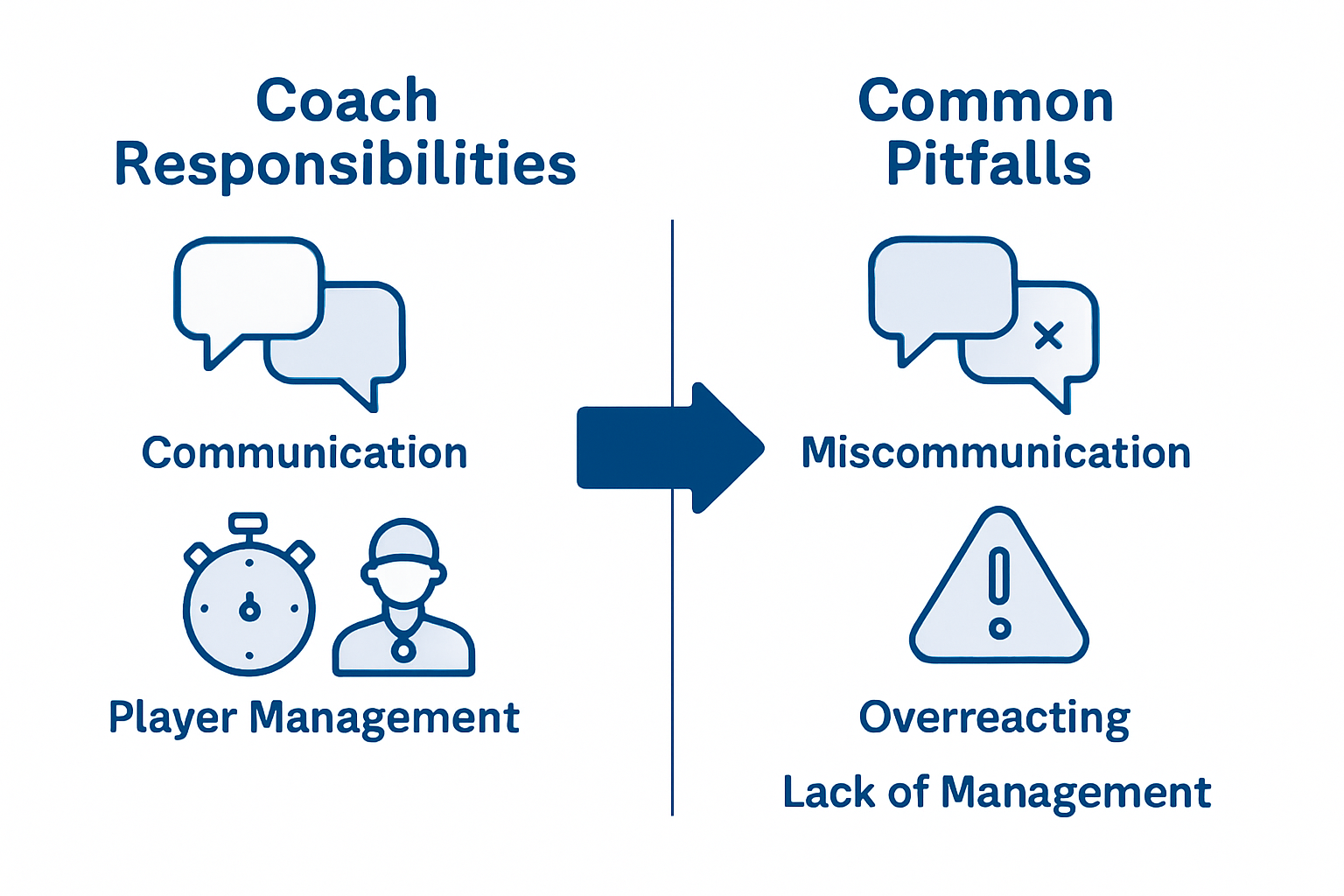
Player management represents another crucial aspect of coaching during special situations. Coaches must continuously assess individual player performance, energy levels, and psychological readiness. This requires a nuanced understanding of team dynamics, recognizing when to motivate, when to provide technical guidance, and when to make strategic substitutions. Successful coaches develop a deep understanding of each player’s strengths and limitations, allowing them to make split-second decisions that maximize team performance during critical game moments.
Pro Tip - Emotional Intelligence: Develop a personal pre-game and in-game emotional regulation routine that helps you maintain clarity and strategic focus under extreme pressure.
Coaching Strategy: Create a comprehensive decision-tree framework that outlines potential scenarios and predetermined responses, reducing reactive decision-making during high-stakes moments.
This table summarizes core coaching responsibilities and pitfalls during special situations:
| Responsibility | Description | Common Pitfall |
|---|---|---|
| Emotional Regulation | Staying calm to guide team effectively | Showing frustration |
| Communication | Conveying strategy quickly and clearly | Sending mixed signals |
| Player Management | Assessing readiness and performance | Delayed substitutions |
Maximizing Impact Through Scouting and Practice
Effective preparation for special situations requires a comprehensive approach that integrates detailed game scenario analysis with targeted practice methodologies. Coaches must develop a systematic framework that transforms theoretical knowledge into practical, executable strategies that players can implement under high-pressure conditions.
Scouting represents the critical foundation for understanding potential special situation scenarios. Advanced coaches develop comprehensive opponent profiles that map out likely strategic responses, individual player tendencies, and potential game-flow disruptions. This involves analyzing video footage, statistical performance data, and historical game patterns to create predictive models that anticipate how opposing teams might react in critical moments. By developing granular insights into opponent behaviors, coaches can design practice scenarios that simulate these exact conditions, preparing players to respond with precision and confidence.
Practice design becomes the transformative element that converts scouting intelligence into player competence. Successful coaches create high-intensity simulation environments that replicate the psychological and physical pressures of actual game scenarios. This involves designing drills that introduce multiple variables simultaneously, forcing players to make rapid decisions while managing complex emotional and strategic challenges. Techniques such as introducing artificial time constraints, simulating crowd noise, and creating purposeful distractions help players develop the mental resilience required to perform consistently during special situations.
Pro Tip - Scenario Replication: Design practice drills that introduce progressive complexity, starting with basic scenarios and systematically increasing difficulty to challenge player adaptability.
Coaching Strategy: Develop a dynamic practice methodology that treats special situation preparation as a continuous learning process, constantly evolving based on player performance and emerging game trends.
Master Special Situations with Proven Coaching Resources
Special situations in basketball demand quick thinking, flawless communication, and adaptable strategies to win critical moments. If managing inbounds plays, late-game scenarios, or foul tactics has felt overwhelming, you’re not alone. These high-pressure moments need more than just instinct—they require preparation, clear playbooks, and targeted practice to build confidence and execution under duress.
Unlock your team’s potential with expert-designed tools from Hoop Mentality. Our collection includes comprehensive Basketball Templates that simplify strategic planning, and Basketball Drills specifically tailored to simulate special situation pressures. Visit Hoop Mentality now to organize your practices efficiently, boost player communication, and confidently lead your team through every decisive moment. Start transforming how you approach special situations today.
Frequently Asked Questions
What are special situations in basketball?
Special situations in basketball refer to critical gameplay moments that require specific strategies and quick decision-making, often occurring in high-pressure scenarios such as end-of-game possessions, last-second shots, and inbound plays under defensive pressure.
Why are inbounds plays important in basketball’s special situations?
Inbounds plays are crucial as they provide teams with opportunities to score from a stationary position while managing defensive pressure. They require precise player positioning and quick execution to create scoring chances.
How can coaches prepare their teams for special situations?
Coaches can prepare their teams for special situations by developing comprehensive situational playbooks, regularly practicing these scenarios during training, and using simulations to build player confidence and decision-making skills under pressure.
What is the role of scouting in managing special situations?
Scouting plays a significant role in managing special situations by providing coaches with insights into opposing teams’ likely responses and player tendencies. This information helps in designing practice scenarios that mimic expected conditions during high-pressure moments.