

Most American basketball coaches recognize that smart game management can mean the difference between a heartbreaking loss and a thrilling win. Success is not just about scoring points but about guiding every play, adjusting strategies, and anticipating each twist in the game. A single tactical decision can shift momentum and redefine a team’s fate. Understanding the principles behind basketball game management unlocks powerful tools for coaches aiming to lead their teams with precision and confidence.
Table of Contents
- Defining Basketball Game Management Principles
- Controlling Tempo And Managing Game Flow
- Timeout Strategies And In-Game Adjustments
- Foul Management And Substitution Tactics
- Late-Game Scenarios And Decision Making
- Common Game Management Errors To Avoid
Key Takeaways
| Point | Details |
|---|---|
| Understanding Player Roles | Coaches must assess individual player strengths to create flexible strategies that maximize team performance. |
| Situational Awareness | Effective game management requires a keen sense of game rhythm and the psychological state of players for timely adjustments. |
| Effective Timeout Usage | Coaches should view timeouts as strategic interventions to realign team dynamics and disrupt opponent momentum. |
| Proactive Foul Management | Anticipating foul scenarios and managing substitutions effectively is essential for maintaining competitive intensity without compromising player performance. |
Defining Basketball Game Management Principles
Basketball game management represents a strategic approach coaches use to control game dynamics, player performance, and tactical decision making throughout competition. More than simply tracking scores, it involves a comprehensive understanding of team movement and tactical patterns that enable coaches to make intelligent, real-time adjustments.
At its core, game management encompasses several critical principles. First, understanding player roles and strengths is paramount. Coaches must analyze individual athlete capabilities, creating flexible strategies that maximize team potential. This requires constant observation of player interactions, energy levels, and situational effectiveness. Effective game management means knowing precisely when to substitute players, how to structure offensive and defensive formations, and when to call timeouts for strategic realignment.
The second fundamental principle involves situational awareness. Basketball coaches must develop an acute sense of game rhythm, momentum shifts, and psychological dynamics. This means reading not just statistical data, but understanding the emotional and mental state of players during high-pressure moments. Basketball play fundamentals suggest that successful game management requires coaches to anticipate potential scenarios, prepare contingency strategies, and communicate effectively with players during critical game phases.
Ultimately, basketball game management is an intricate dance of strategic thinking, psychological insight, and quick decision making. Coaches who master these principles transform from mere sideline observers to active game architects, capable of guiding their teams through complex competitive landscapes with precision and adaptability.
Controlling Tempo and Managing Game Flow
Controlling game tempo requires coaches to understand the intricate balance between offensive aggression and defensive strategy. Some coaches employ aggressive offensive tactics like the run-and-gun approach that fundamentally alter game pace, forcing opponents to adapt to a high-speed playing environment. This strategy demands players with exceptional conditioning and quick decision-making skills.
Defensive techniques play a crucial role in managing game flow. Implementing a full-court press represents a powerful method for disrupting opponent rhythm and controlling game tempo. By applying constant defensive pressure across the entire court, coaches can create turnover opportunities, limit opponent possessions, and dictate the overall game speed. Tempo control becomes a psychological warfare where coaches strategically manipulate game dynamics to exploit opponent weaknesses.
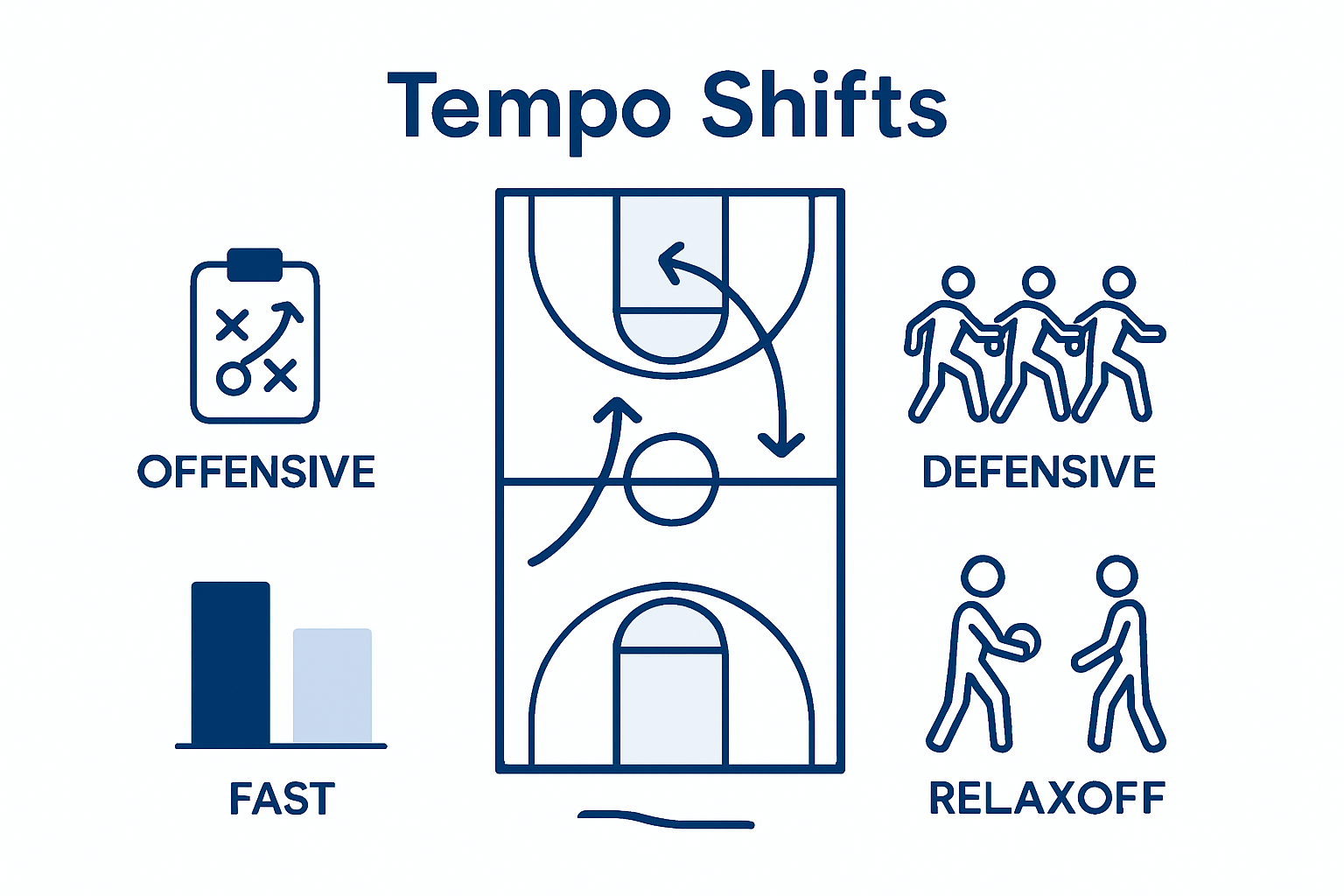
Successful tempo management involves more than just tactical approaches. Coaches must read the game’s emotional landscape, understanding when to accelerate or decelerate play based on team energy, player fatigue, and strategic objectives. This requires constant communication, strategic substitutions, and an ability to make split-second decisions that can fundamentally shift game momentum.
Ultimately, mastering game tempo is an art form that separates exceptional coaches from average ones. It demands a nuanced understanding of player capabilities, opponent strategies, and the subtle rhythms that define competitive basketball. Coaches who can effectively control game flow transform their teams from passive participants to dynamic, adaptive competitors.
Timeout Strategies and In-Game Adjustments
Timeout strategies represent critical moments where coaches can fundamentally reshape game dynamics through strategic communication and tactical recalibration. Utilizing notational analysis techniques allows coaches to break down complex game movements, identifying precise moments when interventions can most effectively redirect team performance.
Successful in-game adjustments require coaches to develop a multi-layered approach to reading game situations. Tactical awareness means recognizing subtle shifts in team momentum, player energy levels, and opponent strategies. Coaches must quickly assess whether a timeout should reset team psychology, interrupt opponent scoring runs, or provide critical tactical instructions. This involves more than just stopping play it requires a nuanced understanding of team dynamics and individual player mental states.
Effective timeout management involves creating a structured yet flexible communication framework. Coaches should use these brief intermissions to accomplish multiple objectives simultaneously: reset player emotions, provide specific tactical instructions, make strategic substitutions, and disrupt opponent rhythm. The most successful coaches treat timeouts as precision instruments, carefully calibrated to maximum strategic impact rather than generic pause points in the game.
Ultimately, timeout strategies reflect a coach’s ability to read complex game environments and make split-second decisions. Great coaches transform these brief moments into powerful opportunities for realignment, motivation, and strategic redirection. By treating each timeout as a critical intervention point, coaches can fundamentally alter game trajectories and demonstrate their true leadership capabilities on the basketball court.
Foul Management and Substitution Tactics
Foul management represents a critical strategic dimension of basketball coaching that requires exceptional situational awareness and proactive player management. Understanding basketball’s fundamental player roles and foul regulations enables coaches to develop sophisticated strategies that minimize defensive vulnerabilities while maintaining competitive intensity.
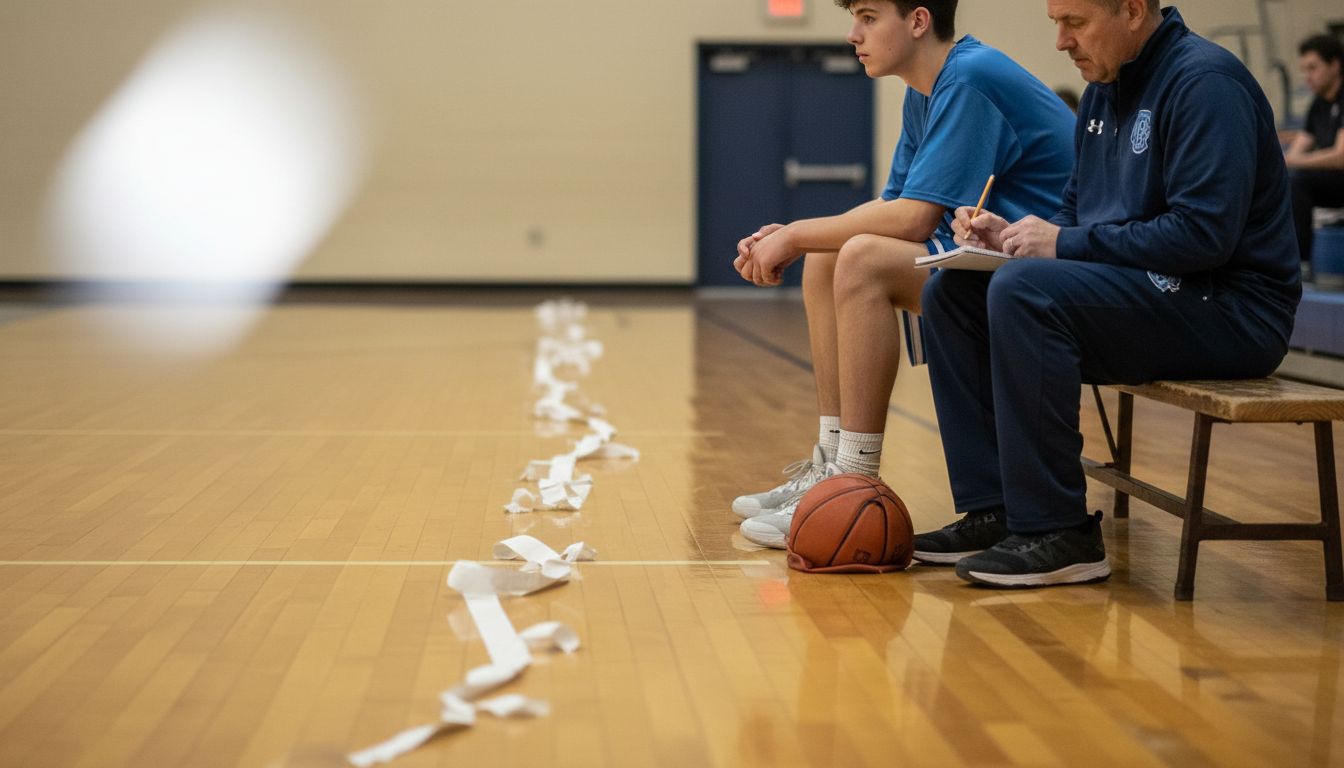
Tactical substitution emerges as a sophisticated chess match where coaches must anticipate potential foul scenarios before they materialize. Through meticulous notational analysis, coaches can track player foul patterns, identifying precise moments when substitutions can prevent potential disqualifications or strategic disadvantages. This approach transforms foul management from a reactive process into a proactive strategic tool that can fundamentally alter game dynamics.
Successful foul management requires coaches to balance multiple competing objectives simultaneously. This means understanding each player’s individual foul tolerance, tracking cumulative team fouls, recognizing opponent officiating tendencies, and maintaining optimal player rotation. Coaches must develop an intuitive sense of when to protect key players from unnecessary risks and when to allow aggressive defensive strategies that might incur tactical fouls.
Ultimately, foul management transcends simple numerical tracking. It represents a sophisticated leadership challenge that demands coaches read complex game situations with remarkable precision. The most effective coaches treat foul management as an art form, using substitutions and strategic defensive adjustments to control game tempo, protect key players, and maintain competitive momentum without compromising team performance.
Late-Game Scenarios and Decision Making
Late-game scenarios represent the most intense moments of basketball competition, where coaches must make split-second decisions that can determine victory or defeat. Deploying aggressive defensive strategies like the full-court press becomes a critical tactical option for teams seeking to force turnovers and regain possession during critical final minutes.
Strategic adaptability defines successful late-game coaching. Utilizing offensive approaches like Nellie Ball allows coaches to exploit potential mismatches, create unexpected scoring opportunities, and maintain offensive momentum when traditional strategies might become predictable. Coaches must rapidly assess player fatigue, foul situations, and psychological momentum to make precise tactical adjustments.
Effective late-game decision making requires coaches to balance multiple competing priorities simultaneously. This involves managing player energy, understanding precise scoring requirements, anticipating opponent strategies, and maintaining emotional composure. Successful coaches develop a comprehensive approach that considers not just statistical probabilities, but also the psychological state of individual players and team dynamics.
Ultimately, late-game scenarios separate exceptional coaches from average ones. The most skilled coaches transform these high-pressure moments into opportunities for strategic innovation, demonstrating an ability to read complex game environments and make counterintuitive decisions that can fundamentally alter competitive outcomes. Preparation, adaptability, and psychological resilience become the defining characteristics of coaches who consistently perform well in critical game situations.
Common Game Management Errors to Avoid
Game management errors often stem from coaches failing to recognize subtle performance patterns that signal underlying team dynamics. Through systematic notational analysis, coaches can develop a more nuanced understanding of performance trends that prevent reactive and potentially damaging decision making.
Strategic inflexibility represents one of the most significant game management pitfalls. Coaches who rigidly adhere to predetermined strategies without adapting to real-time game conditions risk creating competitive vulnerabilities. This includes refusing to adjust defensive formations, maintaining ineffective player rotations, or failing to recognize when individual player matchups require immediate tactical recalibration.
Another critical error involves mismanaging player emotions and energy levels. Coaches frequently make the mistake of overplaying star players, ignoring fatigue signals, or failing to recognize psychological momentum shifts. Successful game management requires an intuitive understanding of team psychology, knowing precisely when to provide motivational interventions, make strategic substitutions, or use timeouts to disrupt opponent rhythm.
Ultimately, avoiding game management errors requires coaches to develop a holistic approach that balances statistical analysis, psychological insight, and strategic adaptability. The most effective coaches treat game management as a dynamic, fluid process of continuous assessment and adjustment, transforming potential vulnerabilities into opportunities for competitive innovation.
Master Basketball Game Management with Proven Coaching Resources
Effective basketball game management demands smart decision making, tactical adjustments, and precise communication. This article highlights the crucial challenges every coach faces including controlling game tempo, managing fouls, and executing timely timeouts. Coaches must stay adaptable, read situational cues, and maximize player strengths to lead their teams to victory.
If you want to elevate your coaching strategy and bring clarity to complex in-game decisions explore our expertly designed Basketball Templates. These tools help you organize practice plans, analyze gameplay, and implement winning systems. Pair these with targeted Basketball Drills to improve player performance and build mental toughness required for high-pressure moments.

Take control of your team’s success today by visiting Hoop Mentality. Access practical, easy-to-use coaching resources that empower you to manage games confidently and develop smart players who excel under pressure.
Frequently Asked Questions
What are the key principles of effective basketball game management?
Effective basketball game management involves understanding player roles, situational awareness, controlling game tempo, and making strategic substitutions and adjustments during critical moments.
How does a coach control the tempo of a basketball game?
Coaches control game tempo by balancing aggressive offensive tactics and defensive strategies, such as implementing full-court presses or employing run-and-gun tactics, to dictate the pace and flow of the game.
What strategies should coaches use during timeouts to maximize their effectiveness?
Coaches should use timeouts to reset player emotions, provide tactical instructions, make crucial substitutions, and disrupt the opponent’s rhythm, treating these moments as critical opportunities for realignment.
How can foul management impact a basketball game?
Foul management is essential for maintaining player availability and preventing defensive vulnerabilities. Coaches must track player fouls carefully and make proactive substitutions to protect key players and maintain optimal performance.